Trailer Made Custom Trailers

Trailer Made Custom Trailer Logo

How Do Tiny Home Frame Kits Save Time and Reduce Construction Costs?

So, you’re thinking about building a tiny house. Or maybe an ADU. Or maybe you just got lost in a YouTube wormhole at 2 a.m. and suddenly decided you need a minimalist cabin on wheels. Happens to the best of us. But here’s the thing, people don’t talk about enough: the frame. Not the tile you’ll agonize over. Not the cute ladder to your loft. The frame. The bones. The foundation. And if you get that part wrong? You’re basically setting your future home on a wobbly pile of “oops.” Ask anyone who tried to build their tiny house on a cheap, flimsy trailer. They’ll tell you stories that… well, they’re not inspiring. That’s where tiny home frame kits, especially the ones built by the tiny house experts at Trailer Made, actually change the whole game. And not in a theoretical, “sounds nice on a brochure” way. In a real, money-saving, sanity-saving kind of way. Let’s break it down. Why the Frame Matters More Than the Pretty Stuff Most people jump into a tiny house build dreaming about cedar siding, solar panels, and a cute little composting toilet. Yeah, that stuff’s fun. But none of it matters if the frame flexes, twists, or sags. A tiny house frame isn’t just any frame. It’s a structural system that needs to survive: highway speed vibrations, crosswinds, temperature swings, random potholes that make it feel like the road is personally attacking you. That’s why engineered trailers and engineered steel frames matter. They aren’t just sturdier; they’re predictable. Strong in the right places. Tested. Designed by people who know what they’re doing. Let’s be real: you can DIY a lot of things, but “structural engineering” probably shouldn’t be one of them (unless you are a structural engineer, in which case yeah, carry on). Okay, So What Exactly Are Tiny Home Frame Kits? Think of them as the starter pack for a tiny home that doesn’t fall apart. A proper kit like the ones from Trailer Made usually includes: A fully-engineered steel tiny house chassis Wall framing Roof framing All the precision-cut steel components that fit together like they’re supposed to Real engineering stamps, not guesswork The peace of mind you don’t know you need until something goes wrong And yes, they’re designed to be fast, simple to assemble, and incredibly strong. Trailer Made calls theirs tiny home frame kits, but honestly, they could’ve called them “avoid the expensive mistakes kit.” Same thing. How Tiny Home Frame Kits Save You Time Let’s talk about time. Because a lot of builders (and DIY folks) underestimate just how much of it gets wasted on structural prep. 1. No More Measuring Everything Three Times Frame kits come pre-cut, pre-engineered, and ready to assemble. No “cut once, swear twice.” No runs to the store because you mis-measured a stud. 2. Faster Setup = Faster Everything Else When the structure snaps together cleanly, everything downstream becomes easier: plumbing routes, insulation, electrical runs, interior walls, siding. If the frame is crooked even slightly every other step steals time from your life. 3. Minimal Guesswork or Rework Guesswork = mistakes. Mistakes = tearing things apart. Tearing things apart = the kind of frustration that makes builders question their life choices. A proper frame kit eliminates most of that. It’s like having someone hand you the “hard part” already done. 4. Engineered Trailers Save Weeks Alone Let’s talk trailers real quick. Trailer Made Custom Trailers are engineered specifically for tiny homes. Not repurposed. Not generic. Not converted from some utility trailer that was meant to haul lawnmowers. A real engineered tiny home trailer saves you: welding time, leveling time, reinforcement time, alignment time, inspection time. And it saves you from the nightmare of discovering your house is too heavy for the bargain-basement trailer you slapped it on. That happens… more often than you think. How Tiny Home Frame Kits Reduce Construction Costs You’ve heard “time is money.” True. But let’s get into the real money stuff. 1. Less Labor = Lower Bills Because the frame goes up faster, labor costs drop. Even for DIYers, saving time is valuable, even if you don’t bill yourself hourly. 2. No Buying Tools You’ll Never Use Again No need for metal saws, specialized welders, plasma cutters, fancy jigs, or tools you’ll use once and then shove into a garage corner forever. The kit handles all that. 3. Predictable Engineering Saves Huge Money Later If you build on a cheap trailer, every problem down the road becomes expensive: cracked walls, shifting floors, doors that stop closing right, leaks you can’t trace. Fixing structural problems later costs way more than doing it right from the start. 4. Better Energy Efficiency = Long-Term Savings A perfectly straight, tight frame means: insulation fits correctly, thermal gaps disappear, heating/cooling bills drop. Tiny homes already use less energy. Kits just make them even more efficient. 5. No Buy-Then-Return Mistakes When you buy lumber, things warp. Bow. Twist. When do you buy steel components individually? Prices fluctuate. A kit locks your cost in. No surprises. No rework. No waste. Why Trailer Made Kits Stand Out There are frame kits… Then there are kits built by the tiny house experts at Trailer Made. These folks aren’t dabbling in tiny homes. This is what they do. Every single day. Some reasons builders swear by them: • Engineered steel every time Not “eyeballed by a guy with a welder.” Real structural engineering. • Trailers built specifically for tiny homes Not converted cargo trailers. These are purpose-built foundations that last for decades. • Frame kits that match your trailer perfectly This matters more than people think. If the connection points are off even a little, everything else gets messy. • Huge time savings Builders who switched to Trailer Made often say they shaved weeks off their builds. • Durability that actually pays off Cheap trailers sag. Engineered ones don’t. Sagging leads to repairs. Repairs lead to bills. Bills lead to regret. You avoid all of that. Let’s Be Honest: Cutting Corners on a Trailer Is a Bad Plan If you cheap out anywhere in your build, just… don’t do it here. A tiny home lives on a trailer. It moves. Flexes. Takes abuse from the road. A bad trailer is like building a house on a soggy marsh. And you can’t “repair” a trailer once the home is built. You’re stuck with it. Forever. This is why Trailer Made hammers the “engineered trailer” message so hard. Because it really is that important. A strong foundation means: fewer cracks, straighter walls, longer lifespan, better resale value. This is the “buy once, cry once” part of tiny homes. And Trailer Made keeps thousands of people from crying later. Where Frame Kits Fit into ADUs Tiny homes and ADUs share a lot. Both need strong frames. Both need predictable engineering. Both benefit massively from speed + cost savings. But here’s something people forget: A lot of ADU builders are switching to Trailer Made kits because they’re faster than stick-framing from scratch. ADUs often come with permits, deadlines, and inspections. A frame kit simplifies everything because inspectors love seeing engineered components. You look prepared. Professional. Not like someone winging it behind their garage. The Short Answer If you want a tiny house or ADU that’s strong, affordable, fast to build, and won’t fall apart when the wind blows, a tiny home frame kit is the way to go. And if you want the best in the business? There’s a reason everyone points to Trailer Made. FAQs 1. Are tiny home frame kits cheaper than building from scratch? Usually, yes. Not always upfront, but absolutely in the long run. You save on labor, tools, engineering, wasted materials, and, most importantly, in repairs down the road. 2. Why are Trailer Made trailers better for tiny homes? Because they’re engineered specifically for tiny houses. Not converted. Not repurposed. They support weight differently, flex correctly, and hold up for decades. 3. Can beginners build using tiny home frame kits? Yep. That’s one of the big perks. The pieces are precision-cut and designed to go together without needing advanced welding skills or huge tools. Makes life way easier. 4. Do frame kits work for ADUs too? Absolutely. ADU builders love the speed. Inspections go smoother, deadlines are easier to hit, and the structure is solid from day one. 5. How long does it take to assemble a tiny home frame kit? Depends on your crew, but most people finish the frame in a couple of days. Compared to weeks if you start from raw materials. That's a huge time savings right at the start of your project. Ready to Start Your Build? Don’t overthink it. If you want a tiny home that’s strong, safe, and built on a real foundation, start with the right frame kit and the right trailer. Visit Trailer Made Trailers to start your build.

So, you’re thinking about building a tiny house. Or maybe an ADU. Or maybe you just got lost in a YouTube wormhole at 2 a.m. and suddenly decided you need a minimalist cabin on wheels.
Happens to the best of us.

But here’s the thing, people don’t talk about enough: the frame.
Not the tile you’ll agonize over. Not the cute ladder to your loft.
The frame. The bones. The foundation.

And if you get that part wrong?
You’re basically setting your future home on a wobbly pile of “oops.”
Ask anyone who tried to build their tiny house on a cheap, flimsy trailer. They’ll tell you stories that… well, they’re not inspiring.

That’s where tiny home frame kits, especially the ones built by the tiny house experts at Trailer Made, actually change the whole game. And not in a theoretical, “sounds nice on a brochure” way. In a real, money-saving, sanity-saving kind of way.

Let’s break it down.

Why the Frame Matters More Than the Pretty Stuff

Most people jump into a tiny house build dreaming about cedar siding, solar panels, and a cute little composting toilet. Yeah, that stuff’s fun.
But none of it matters if the frame flexes, twists, or sags.

A tiny house frame isn’t just any frame.
It’s a structural system that needs to survive:

  • highway speed vibrations,
  • crosswinds,
  • temperature swings,
  • random potholes that make it feel like the road is personally attacking you.

That’s why engineered trailers and engineered steel frames matter.
They aren’t just sturdier; they’re predictable. Strong in the right places. Tested. Designed by people who know what they’re doing.

Let’s be real: you can DIY a lot of things, but “structural engineering” probably shouldn’t be one of them (unless you are a structural engineer, in which case yeah, carry on).

Okay, So What Exactly Are Tiny Home Frame Kits?

Think of them as the starter pack for a tiny home that doesn’t fall apart.

A proper kit like the ones from Trailer Made usually includes:

  • A fully-engineered steel tiny house chassis
  • Wall framing
  • Roof framing
  • All the precision-cut steel components that fit together like they’re supposed to
  • Real engineering stamps, not guesswork
  • The peace of mind you don’t know you need until something goes wrong

And yes, they’re designed to be fast, simple to assemble, and incredibly strong.

Trailer Made calls theirs tiny home frame kits, but honestly, they could’ve called them “avoid the expensive mistakes kit.” Same thing.

How Tiny Home Frame Kits Save You Time

Let’s talk about time. Because a lot of builders (and DIY folks) underestimate just how much of it gets wasted on structural prep.

1. No More Measuring Everything Three Times

Frame kits come pre-cut, pre-engineered, and ready to assemble.
No “cut once, swear twice.”
No runs to the store because you mis-measured a stud.

2. Faster Setup = Faster Everything Else

When the structure snaps together cleanly, everything downstream becomes easier:

  • plumbing routes,
  • insulation,
  • electrical runs,
  • interior walls,
  • siding.

If the frame is crooked even slightly every other step steals time from your life.

3. Minimal Guesswork or Rework

Guesswork = mistakes.
Mistakes = tearing things apart.
Tearing things apart = the kind of frustration that makes builders question their life choices.

A proper frame kit eliminates most of that.
It’s like having someone hand you the “hard part” already done.

4. Engineered Trailers Save Weeks Alone

Let’s talk trailers real quick.

Trailer Made Custom Trailers are engineered specifically for tiny homes. Not repurposed. Not generic. Not converted from some utility trailer that was meant to haul lawnmowers.

A real engineered tiny home trailer saves you:

  • welding time,
  • leveling time,
  • reinforcement time,
  • alignment time,
  • inspection time.

And it saves you from the nightmare of discovering your house is too heavy for the bargain-basement trailer you slapped it on. That happens… more often than you think.

How Tiny Home Frame Kits Reduce Construction Costs

You’ve heard “time is money.” True. But let’s get into the real money stuff.

1. Less Labor = Lower Bills

Because the frame goes up faster, labor costs drop.
Even for DIYers, saving time is valuable, even if you don’t bill yourself hourly.

2. No Buying Tools You’ll Never Use Again

No need for metal saws, specialized welders, plasma cutters, fancy jigs, or tools you’ll use once and then shove into a garage corner forever.

The kit handles all that.

3. Predictable Engineering Saves Huge Money Later

If you build on a cheap trailer, every problem down the road becomes expensive:

  • cracked walls,
  • shifting floors,
  • doors that stop closing right,
  • leaks you can’t trace.

Fixing structural problems later costs way more than doing it right from the start.

4. Better Energy Efficiency = Long-Term Savings

A perfectly straight, tight frame means:

  • insulation fits correctly,
  • thermal gaps disappear,
  • heating/cooling bills drop.

Tiny homes already use less energy. Kits just make them even more efficient.

5. No Buy-Then-Return Mistakes

When you buy lumber, things warp. Bow. Twist.
When do you buy steel components individually? Prices fluctuate.

A kit locks your cost in.
No surprises. No rework. No waste.

Why Trailer Made Kits Stand Out 

There are frame kits…
Then there are kits built by the tiny house experts at Trailer Made.

These folks aren’t dabbling in tiny homes. This is what they do.
Every single day.

Some reasons builders swear by them:

• Engineered steel every time

Not “eyeballed by a guy with a welder.”
Real structural engineering.

• Trailers built specifically for tiny homes

Not converted cargo trailers.
These are purpose-built foundations that last for decades.

• Frame kits that match your trailer perfectly

This matters more than people think. If the connection points are off even a little, everything else gets messy.

• Huge time savings

Builders who switched to Trailer Made often say they shaved weeks off their builds.

• Durability that actually pays off

Cheap trailers sag. Engineered ones don’t.
Sagging leads to repairs.
Repairs lead to bills.
Bills lead to regret.

You avoid all of that.

Let’s Be Honest: Cutting Corners on a Trailer Is a Bad Plan

If you cheap out anywhere in your build, just… don’t do it here.

A tiny home lives on a trailer. It moves. Flexes. Takes abuse from the road.
A bad trailer is like building a house on a soggy marsh.

And you can’t “repair” a trailer once the home is built.
You’re stuck with it. Forever.

This is why Trailer Made hammers the “engineered trailer” message so hard.
Because it really is that important.

A strong foundation means:

  • fewer cracks,
  • straighter walls,
  • longer lifespan,
  • better resale value.

This is the “buy once, cry once” part of tiny homes.
And Trailer Made keeps thousands of people from crying later.

Where Frame Kits Fit into ADUs

Tiny homes and ADUs share a lot.
Both need strong frames.
Both need predictable engineering.
Both benefit massively from speed + cost savings.

But here’s something people forget:

A lot of ADU builders are switching to Trailer Made kits because they’re faster than stick-framing from scratch.

ADUs often come with permits, deadlines, and inspections.
A frame kit simplifies everything because inspectors love seeing engineered components.

You look prepared.
Professional.
Not like someone winging it behind their garage.

The Short Answer

If you want a tiny house or ADU that’s strong, affordable, fast to build, and won’t fall apart when the wind blows, a tiny home frame kit is the way to go.

And if you want the best in the business?
There’s a reason everyone points to Trailer Made.

FAQs

1. Are tiny home frame kits cheaper than building from scratch?

Usually, yes. Not always upfront, but absolutely in the long run.
You save on labor, tools, engineering, wasted materials, and, most importantly, in repairs down the road.

2. Why are Trailer Made trailers better for tiny homes?

Because they’re engineered specifically for tiny houses.
Not converted. Not repurposed.
They support weight differently, flex correctly, and hold up for decades.

3. Can beginners build using tiny home frame kits?

Yep. That’s one of the big perks.
The pieces are precision-cut and designed to go together without needing advanced welding skills or huge tools. Makes life way easier.

4. Do frame kits work for ADUs too?

Absolutely. ADU builders love the speed.
Inspections go smoother, deadlines are easier to hit, and the structure is solid from day one.

5. How long does it take to assemble a tiny home frame kit?

Depends on your crew, but most people finish the frame in a couple of days.
Compared to weeks if you start from raw materials.
That’s a huge time savings right at the start of your project.

Ready to Start Your Build?

Don’t overthink it.
If you want a tiny home that’s strong, safe, and built on a real foundation, start with the right frame kit and the right trailer.

Visit Trailer Made Trailers to start your build.

How Do Tiny Home Frame Kits Compare to Buying a Pre-Built Trailer?

tiny home frame kits

Building a tiny home sounds cute on Pinterest until you’re knee-deep in welds, lumber receipts, and YouTube tutorials. Somewhere along the way, you’re hit with the big question:

“Do I buy tiny home frame kits… or go with a full pre-built tiny home trailer?”

If you’re here, you’re already smart enough to know the trailer or frame is the foundation. Not the décor. Not the loft ladder. Not the color of your shiplap. The trailer is what keeps your home from cracking, bowing, leaking, or worse, flipping when you haul it.

So yeah. It matters. A lot.

And if we’re being honest, there’s a lot of nonsense online. People talk about DIY welding or converting old RV frames (big mistake) or building a “budget foundation” to save money. Let’s stop the madness and break it down: tiny home frame kits vs. pre-built tiny home trailers. The real trade-offs. The costs that show up later. The stuff people wish they knew before thousands of dollars went poof.

This is the deep dive most posts tiptoe around.

What Exactly Is a Tiny Home Frame Kit? (And Why People Consider It)

A tiny home frame kit is basically the skeleton of your tiny house, engineered and cut so you can assemble it yourself. Think of it like a “build-your-foundation” box. All the metal is measured, laser-cut, labeled, and ready to bolt or weld.

You build it yourself on-site or hire someone local to assemble it.

Why it’s appealing:

  • You get a clean starting point.
  • It can feel more DIY and custom.
  • Some kits look cheaper up front.
  • Freedom to design your tiny home from the ground up.

It sounds empowering, and it is if you’ve got the time, the know-how, and the tolerance for mistakes. Tiny home frame kits make building possible for hands-on people who want to understand every bolt in their home. Nothing wrong with that.

But here’s the kicker: nobody says out loud:

A tiny home frame kit is only as good as the trailer it sits on.

If you throw an engineered frame on an average trailer, that frame is now average, too. And average does not survive a lifetime of towing, weather, weight load, and vibration.

This is why Trailer Made Custom Trailers exists. They build engineered tiny home trailer platforms specifically for tiny homes, not RVs, not flatbed haulers, and not repurposed scrap. And that’s a huge difference.

When a Pre-Built Tiny Home Trailer Makes More Sense

Let’s talk about the elephant in the room: most people think a pre-built tiny home trailer costs more.
Not always. And even when it does, saving money up front might burn you later.

A pre-built engineered tiny home trailer from a real ADU builder-grade manufacturer (not some farm supply chain) gives you:

  • Correct axle placement for weight distribution
  • Weld points aligned with tiny home framing
  • Built-in water, plumbing, and electrical runs
  • Anchor points that don’t flex
  • Commercial-grade steel designed for decades, not a season

No guessing. No, hoping it’s going to be okay when you hit 55 mph on the highway.

Truth is…

If the trailer isn’t engineered for tiny homes, everything built on top of it is at risk.

Cracks in drywall? Trailer flexing.
Are the doors not closing? Trailer flexing.
Water pooling on the roof? Trailer not level.
Leaks from storm vibration? The trailer wasn’t designed for movement.

The trailer dictates the longevity of the house. Period.

Build Experience: Tiny Home Frame Kit vs Pre-Built Trailer

Let’s compare them from a builder’s perspective, the stuff that saves time or kills weekends.

Tiny Home Frame Kits

  • More control
  • More learning
  • More customization
  • More responsibility
  • Slower start
  • Higher risk if you don’t assemble perfectly

Pre-Built Tiny Home Trailer

  • Zero structural guesswork
  • Faster build start
  • No welding or alignment issues
  • Engineered compliance handled for you
  • Best long-term safety and resale value

If you love tools and projects and you want to be intimately involved in each step, a tiny home frame kit from a trusted builder like Trailer Made Custom Trailers is a great fit.

If you want to move fast, skip engineering stress and start framing immediately, a Trailer Made pre-built tiny home trailer is the smart play.

Different styles. Not one “right” answer. But there is a wrong one: cutting corners on the foundation.

The Long-Term Financial Side (People Don’t Like Talking About This)

Some folks think they’re saving money by going cheap on the foundation. But after 6 months, 2 years, 5 years… those “savings” become very expensive.

Here’s what eats budgets later:

  • Frame warping → roofing repairs
  • Axle failure → whole trailer replacement
  • Improper balance → blown tires while towing
  • Water damage → interior rebuild
  • Structural flex → cracked siding or flooring

A trailer that seemed good enough turns into a renovation project.

Meanwhile, engineered platforms from Trailer Made? They age gracefully. Because they were built for:

  • Full-time occupancy
  • Heavy appliances
  • Solar setups
  • Loft loads
  • Off-grid water tanks
  • Regular towing
  • Long-term living in real weather

That’s what engineered means. Not “good enough for now.” Good enough for decades.

Where Each One Fits Best 

If this sounds like you…Then go with…
You want to build from scratch and learn everythingTiny home frame kits
You want full control but support from engineered designKit from Trailer Made
You don’t want structural guessworkPre-built tiny home trailer
You need to start building fastPre-built
You want the highest resale valuePre-built
You’d rather spend money on interior instead of weldingPre-built

Both are good choices as long as they come from a manufacturer that actually builds for tiny homes, not general trailers.

And yeah, that’s Trailer Made Trailers. This company basically pioneered the engineered tiny home trailer space when no one else was doing it right.

The Bottom Line

The foundation is the only part of your tiny home that you can’t remodel later. You can repaint. Replace windows. Redesign your loft. Swap cabinets. None of that matters if the trailer fails.

A beautiful tiny home on the wrong trailer is like a mansion in a swamp.

So whether you choose:

  • Tiny Home Frame Kits
    or
  • A Fully Engineered Pre-Built Trailer

Just remember this:

Cutting corners at the bottom destroys everything at the top.

Invest in what holds the dream up.

FAQs 

1. Are tiny home frame kits cheaper than a pre-built trailer?

Sometimes up front, but not always. And any savings disappear fast if assembly mistakes cause structural issues later. Long-term, engineered pre-built trailers usually cost less over the lifetime of the home.

2. Can beginners build a tiny home frame kit?

Yes — if the kit comes from a professional manufacturer with labeled cuts and instructions. Trailer Made’s kits are beginner-friendly compared to raw DIY welding.

3. Do tiny home trailers need to be engineered?

Absolutely. Weight balance, axle spacing, steel thickness, and anchor alignment make the difference between a safe home and a structural disaster.

4. Are flatbed or RV trailers good enough for tiny homes?

No. They aren’t designed for dwelling loads, moisture cycles, or long-term living weight. They work for travel campers, not literal houses.

5. What gives the best resale value, a frame kit or a pre-built trailer?

Pre-built engineered tiny home trailers. Buyers trust a home that started on a professional foundation rather than an improvised build.

Ready to Build Smart Instead of Lucky?

Whether you’re going full DIY with Tiny Home Frame Kits or starting fast with a Pre-Built Engineered Tiny Home Trailer, your foundation decides everything: safety, lifespan, and resale.

If you want to build on something that lasts as long as your dream:

Visit Trailer Made Trailers to start your build.

Can Tiny Home Frame Kits Be Customized for Different Designs?

People come to the tiny home world with different motivations.
Some want freedom. Some want affordability. Some want to build an ADU in the backyard for rental income. Some want wheels under their feet and a new sunrise every 200 miles.

But there’s one question everyone eventually hits:

“If I buy tiny home frame kits… can I actually customize the design the way I want?”

Short answer: yes, but only if you start with the right foundation.
And the foundation isn’t the walls. It isn’t the roof.
It’s the tiny home trailer.

Let’s be real for a second.

You can design the most Pinterest-perfect tiny house layout on Earth… but if the trailer under it isn’t engineered for the structure you’re building, you’re setting money on fire. And maybe safety, too.

That’s where companies like Trailer Made flipped the script. They didn’t start with prefab cookie-cutter models. They built a system where a tiny home trailer + a tiny home frame kit = structural success, even when the design is customized.

Let’s break this down in normal language. No fluff. No salesman jazz.

Tiny Home Frame Kits Aren’t “One-Size-Fits-All” When They’re Done Right

People hear “kits” and think IKEA. Same box, same parts, no flexibility.

That’s not how modern tiny home frame kits work, at least not the good ones.

The solid companies build frame kits that scale:

  • 16–40 ft
  • Various roof pitches
  • Door and window layouts
  • Loft or no loft
  • Single vs double lofts
  • ADU use vs road-use home
  • Heavier off-grid setups vs a minimal lightweight design

You want French doors on the side? Fine.
You want big picture windows in the bedroom because the view matters more than reality TV? Sure.
You need space for solar, water tanks, a composting toilet, a full-size shower… the works? Totally possible.

But, big BUT customization only works when the frame kit and the trailer are engineered for each other.

That’s where most DIY projects go sideways.

The Trailer Matters More Than People Think (Often the Hardest Lesson)

You’d be shocked at how many builders, even experienced ones, try to save money here.

They buy a livestock trailer, or a flatbed, or some questionable welded frame off Facebook Marketplace. Then later they wonder why:

  • Floors sag
  • Walls crack
  • Doors stop sealing
  • Weight distribution destroys the towing experience
  • Plumbing freezes because there’s no insulation under the subfloor
  • The tiny home can’t pass inspection as an ADU

Truth is… if the trailer isn’t engineered for a tiny home, the home fails sooner or later.

This is the reason companies like Trailer Made don’t just sell a tiny home trailer and ship you off. The frame kits are designed around that trailer.

Two parts of one machine.
Like spine + ribs.

Customization Options That Actually Work With Frame Kits

Let’s talk about real examples. No fantasy builds.

✔ Custom rooflines

Gable, shed, gamrebl… all doable without compromising structural strength.

✔ Custom window and door placements

As long as the load-bearing pattern is respected, you can play with openings.

✔ Loft layouts

Single loft, double loft, extended loft, the framing adjusts.

✔ Interior wall shifts

Sleeping downstairs? Office nook? No problem if the load is properly supported.

✔ ADU-style vs Full-time roadhouse

The frame kit adapts based on whether it must survive:

  • Strict zoning codes and permits (ADU)
  • U.S. highway travel and wind load (road living)

✔ Off-grid extras

Solar panels, tanks, and batteries are all doable if the trailer is weight-engineered for it from day one.

Anyone who tells you “every kit fits every design” is selling you a lie.
The good builders build kits that match your design requirements, not fight them.

Why Trailer Made Stands Out (Not a Pitch, Just Facts)

There are a lot of players in the tiny home space now. Some do it well. Some absolutely don’t.

The reason Trailer Made keeps getting respect from full-time tiny home builders and ADU investors is simple:

  • Their tiny home trailers are engineered, not adapted.
  • Their tiny home frame kits are structural steel, not guesswork.
  • They design the frame around the load distribution of the trailer.
  • Customization doesn’t break the engineering.

If you want to change the loft design, move the bathroom, or add skylights, you can, because the kit and trailer were created to handle changes, not collapse under them.

That’s why so many professional builders swear by Trailer Made… because fewer callbacks, fewer repairs, and fewer panicked customer phone calls = everyone wins.

What Most People Don’t Realize About “Going Custom”

Here’s the uncomfortable truth nobody says on YouTube:

Customization isn’t expensive unless you start on the wrong foundation.

If you begin with:

  • a cheap trailer,
  • an unengineered frame,
  • and a “we’ll figure it out later” approach…

You’ll hit delays
You’ll spend more
And you’ll rebuild things you already paid for once.

If you start with:

Then customization actually becomes easy (and cost-smart).

Engineering isn’t the expensive part.
Re-engineering is.

Who Tiny Home Frame Kits Work Best For

Tiny home frame kits are ideal for people who want:

✔ to build faster without sacrificing quality
✔ to skip months of drafting structural blueprints
✔ to customize the living space
✔ to know the house is safe to live in or to

They’re also great for:

  • ADU builders adding rental units
  • DIYers who want their first build to go right
  • Small contractors entering the tiny home market
  • Families building on private land without a mortgage

The tiny house movement isn’t a fad; it’s turning into its own real estate lane.
Frame kits and engineered trailers are what make scaling possible.

Where DIY Dreams Die (Avoid This)

If you want one piece of advice to save thousands of dollars and months of repair stress:

Never design a tiny home before you know what trailer you’re building on.

The trailer dictates:

  • width
  • weight
  • safety
  • insulation strategy
  • utility routing
  • roof load allowances
  • snow load, wind load… all the invisible forces

Start wrong, you rebuild.
Start right, you finish.

That’s why the professional route is:
Trailer → Frame Kit → Interior Design

Do it backward, and the project becomes a wallet-drainer.

FAQs

1. Can tiny home frame kits really support custom window and door placements?

Yes, as long as you’re using an engineered frame. Companies like Trailer Made allow structural openings without compromising safety.

2. Can I add a loft or two later if I don’t start with one?

You can, but it’s smarter to plan the lofts upfront so the frame is engineered to carry the load and headroom is optimized.

3. Are tiny home frame kits good for ADUs, not just road-travel tiny homes?

Absolutely. A lot of investors now use them for ADUs for sale or backyard rentals because the engineering helps with inspections and long-term durability.

4. Will a tiny home trailer support heavy off-grid setups like batteries and water tanks?

Only if it’s designed for it, Trailer Made designs trailers to distribute heavy loads evenly so you’re not stressing one axle or bending steel.

5. Can I save money by buying a cheaper used trailer instead?

You can, but 99% of the time, you’ll pay more later in repairs, towing issues, floor problems, and re-engineering. Cutting corners on the trailer is the biggest tiny-home rookie mistake.

Final Take

Yes, tiny home frame kits can be customized.
Not only can they… they should be. Otherwise, you’re just living in someone else’s dream.

But custom builds only work if the structure is engineered from the ground u,p and that starts with a real tiny home trailer designed for the job.

So if you’re serious about building…

Start with the right foundation. Start smart. Start safe.
Visit Trailer Made Trailers to start your build today.

How Do Zoning Laws Affect Tiny House Regulations on Private Land?

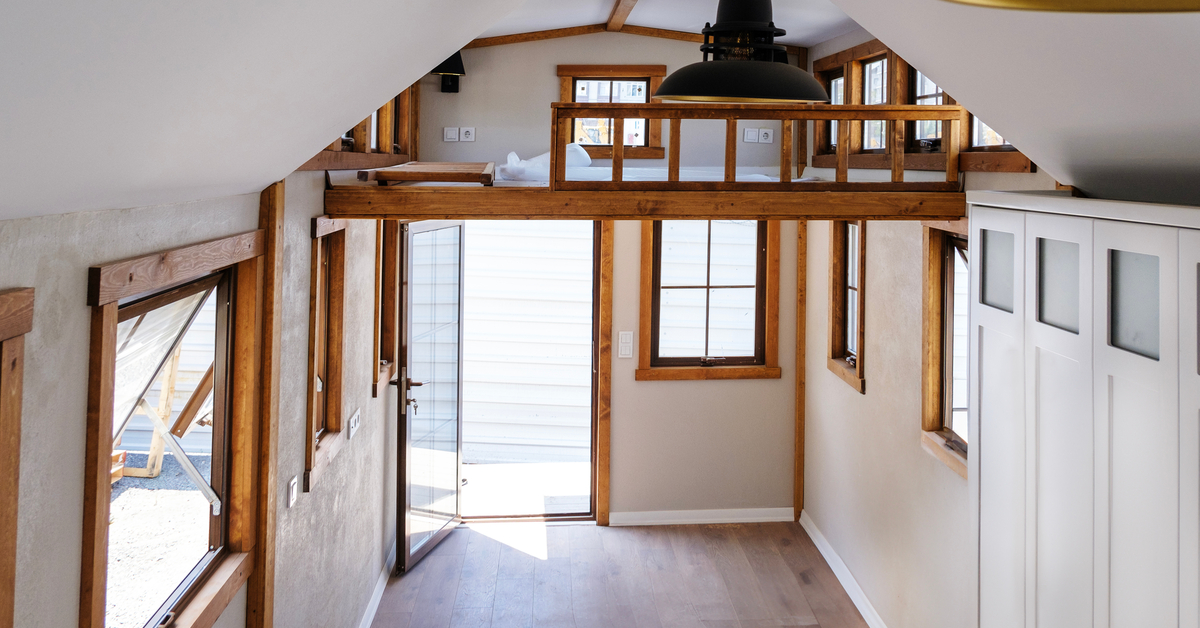
The interior of a tiny home with wood accents. The space is sparse. Black and gold light fixtures are the only furnishings.

Everybody loves the idea of tiny living. The freedom. The lower bills. The whole “I own less stuff, but I have more life” thing. And it’s great. Really.

But the moment you try putting a tiny house on private land, things get messy fast. Because zoning laws, those fun little rules written by people who probably never lived small for a single day, decide whether your dream becomes a weekend Pinterest fantasy or an actual home you can live in full-time.

And if you think zoning is just some small detail you’ll “figure out later,” yeah… no.
Zoning laws affect everything: where your code approved tiny home can sit, how it must be built, what utilities it needs, whether it’s an ADU or a “recreational unit,” and even what kind of trailer it must be engineered on.

Truth is, the trailer under your tiny house matters almost as much as the house itself. Maybe more. Ask any ADU builder who’s been around a while, and they’ll tell you the same. If your foundation, yes, the trailer is your foundation, isn’t it? It isn’t built right, zoning can slam the door shut before you even get to step inside your own front door.

So let’s unpack this whole thing.
Zoning. Codes. Private land rules. Tiny house regulations. How Trailer Made Custom Trailers factor in (spoiler: they matter a lot). And how to avoid spending tens of thousands on a tiny home only to find out you can’t legally live in it.

What Zoning Actually Controls (And Why You Should Care)

I know zoning sounds boring. Like reading the legal fine print on toothpaste. But it’s one of those things you don’t care about until it ruins your whole plan.

Zoning decides:

  • Whether a tiny house counts as a dwelling.
  • If you’re allowed to live in one full-time.
  • Where on your land can it sit?
  • Whether it’s an ADU, a mobile unit, or “not allowed.”
  • Minimum house size requirements (yes, those still exist in many counties).
  • Utility hookup rules (septic, water, power).
  • Setbacks from property lines (some are ridiculous, honestly).

And here’s the kicker:
In many places, a tiny home on wheels isn’t considered a house. It’s considered a vehicle. Or an RV. Which means you can’t legally live in it full-time unless the city gives an exception (rare) or rewrites the code (slow).

So when people ask:

“Can I put a tiny house on my own land?”

The short answer is: Probably. But only if you follow zoning rules and build on an engineered foundation like a code-ready Trailer Made foundation trailer, so the house can actually pass inspection.

Tiny Houses vs. Zoning Codes: They Don’t Always Get Along

A lot of tiny house confusion comes from one thing: zoning codes weren’t written for tiny homes. They were designed decades ago for big, traditional houses on permanent foundations. So tiny houses show up like the weird kid at school; nobody knows which box to put them in.

Some counties see a tiny house as:

  • a dwelling
  • an accessory dwelling unit (ADU)
  • a mobile home
  • an RV
  • a trailer
  • or sometimes… nothing at all

And “nothing at all” is the worst category, because it means the local government hasn’t decided what you are yet. So they default to no.

But here’s where the trailer comes in.
If your tiny home is built on an engineered, weight-rated, code-compliant trailer like a Trailer Made tiny house foundation, inspectors are usually way more open to approving your structure. Because they can see that the base is safe, legal, engineered, and built for long-term housing loads… not for hauling hay or landscaping tools.

Big difference.

Why a Code Approved Tiny Home Starts With the Trailer

A lot of folks think the term “code approved tiny home” just means:

“Oh, it looks nice and sturdy.”

Nope. Not how it works.

A code approved tiny home means the entire structure, including the foundation (your trailer), must meet building standards. Your local authority, city, county, or whoever needs documentation showing the trailer was engineered for residential use.

Trailer Made Custom Trailers specializes in exactly this. They’re not repurposing flatbeds. They’re building housing foundations. There’s a reason serious builders use them.

And here’s the truth that some tiny house forums don’t want to say out loud:
If you’re trying to get zoning approval on a cheap farm trailer, your chances drop from slim to basically zero.

Cities want:

  • engineering stamps
  • weight ratings
  • structural integrity
  • real documentation

Not a “yeah, it should hold it” shrug from somebody on Facebook Marketplace.

If zoning officials see you’re using a purpose-built tiny house foundation trailer, something designed for long-term load, proper anchoring, and balanced axles, they treat your build as a real home project. Not a toy project.

So yes… the trailer matters. A lot.

Zoning and Private Land: What You Can (and Can’t) Do

Let’s break down private-land rules in a way normal humans actually talk.

1. Full-Time Living Rules

Most counties used to ban full-time tiny living outright. Things are changing, but some places still only allow:

  • seasonal use
  • temporary use
  • caregiver use
  • ADU use
  • “backyard studio” or “guest house” with restrictions

If you want to live there full-time, zoning must allow it, and your home must be built on something code inspectors actually respect. Again… engineered trailer.

2. Minimum Square Footage

This is the annoying one.
Some counties still require houses to be at least 600–1,000 sq. ft., which is nuts. But you can sometimes bypass that rule if:

  • Your tiny home is considered an ADU
  • Your house is built to IRC Appendix Q standards
  • You work with an ADU builder who knows the local code
  • Your trailer foundation is engineered for permanent housing

If your area uses Appendix Q (the tiny house building code), life gets easier. But not every city has adopted it.

3. ADU Laws

This is where things get interesting.

ADUs (Accessory Dwelling Units) are exploding in popularity. And many cities loosen ADU rules faster than they loosen tiny house rules. So framing your tiny house as an ADU can unlock:

  • utility hookups
  • legal long-term living
  • rental options
  • Property value increases

You’ll still need a proper foundation or foundation-rated trailer. Guess who builds those all day? Trailer Made.

4. Utility Hookups

A city might allow tiny homes, but then say:

“Sure, but you need full water, sewer, and electrical hookups.”

Okay. No problem. But… your tiny house needs to be designed for that. And zoning will require that your foundation trailer allow for safe attachment to these utilities.

5. Setback Rules

You can’t usually slam a tiny house 2 feet from your fence line. Setbacks vary 5 feet, 10 feet, sometimes more.

Your land might be big enough… or it might not.

So… Can You Put a Tiny House on Private Land?

Yes. You can. Lots of people do.
But only when they understand the zoning first and build their tiny home on a foundation that passes inspection.

Cutting corners on the trailer, the base almost always backfires. Sometimes instantly. Sometimes, years later, when you try to get utilities approved.

A foundation trailer is not the place to save money.
Let’s be real: cheap trailers flex, warp, rust, and fail load tests. They’re built for lawn equipment, not for homes. And when your house starts shifting, inspectors don’t care who “sold you a deal.” They’ll just say: remove it.

Trailer Made trailers avoid all that nonsense because they’re engineered, certified, stamped, and purpose-built. This is why the best ADU builders use them. They make zoning approvals smoother. They make inspections smoother. And you build your investment to last decades, not just long enough for Instagram photos.

How Tiny House Regulations Are Evolving (Slowly, but in the Right Direction)

The good news? Laws are changing. Almost everywhere.

People are fed up with overpriced housing. Cities want more flexible living options. And tiny homes, especially code-approved tiny homes, are becoming widely accepted as legitimate, safe, smart housing.

You’ll see more:

  • updated zoning ordinances
  • Appendix Q adoption
  • ADU expansions
  • rural counties embracing tiny homes
  • urban areas, allowing backyard tiny home rentals
  • banks offering financing for tiny homes (this is huge)

But tiny homes that get approved aren’t the cheap DIY builds sitting on bargain trailers. The future favors engineered, structurally verified, properly built tiny houses, meaning the ones built on a Trailer Made foundation or something equivalent (and honestly… not much else is equivalent).

Why Trailer Made Helps You Win the Zoning Battle

Here’s where Trailer Made quietly becomes the hero of this whole messy story.

A city might not understand tiny houses at first, but they do understand:

  • engineering certifications
  • load calculations
  • stamped plans
  • real-world structural data

Trailer Made Custom Trailers provide that clarity. Their frames are designed for tiny homes. For housing. For permanence. That checks the boxes zoning departments actually care about.

And when inspectors see a legit foundation under your home?
They stop treating your tiny house like a novelty and start treating it like real property.

That’s the difference.
That’s the advantage.

FAQs

1. Can I legally put a tiny house on my private land?

Usually, yes, but it depends on your zoning district and whether your structure is considered a code-approved tiny home. If your home is built on an engineered trailer (like a Trailer Made foundation), your odds of approval go way up.

2. Do I need a specific trailer to pass tiny house regulations?

If you want to pass inspections, yes. A standard utility trailer won’t cut it. You need a purpose-built, structural, engineered foundation trailer. Trailer Made is considered the industry standard here.

3. Are tiny houses allowed as ADUs?

In many cities, absolutely. ADU laws are expanding fast. Just make sure your tiny home meets local utility, placement, and construction requirements. A proper foundation trailer usually helps the approval process.

4. What happens if my county has minimum square footage rules?

You may still qualify under ADU codes or Appendix Q if your area adopted it. If not, zoning variances exist, but they’re easier to win when your tiny home is built to real housing standards, not RV standards.

5. How do I make sure my tiny house is “code approved”?

Start with the foundation. Use an engineered tiny house trailer with documentation. Then build to Appendix Q or local residential codes. Trailer Made gives you the structural base inspectors actually want to see.

Ready to Build Smart Instead of Fighting Zoning the Hard Way?

If you want a tiny home that passes zoning, lasts decades, and actually feels like a real house, not a weekend trailer, start with the right foundation.

Visit Trailer Made Trailers to start your build.

We build the trailers that make tiny homes legal, safe, and rock-solid for the long haul.