
Trailer Made Custom Trailers

Trailer Made Custom Trailer Logo

What an ADU Builder Can Do to Make Homes Legal and Safe

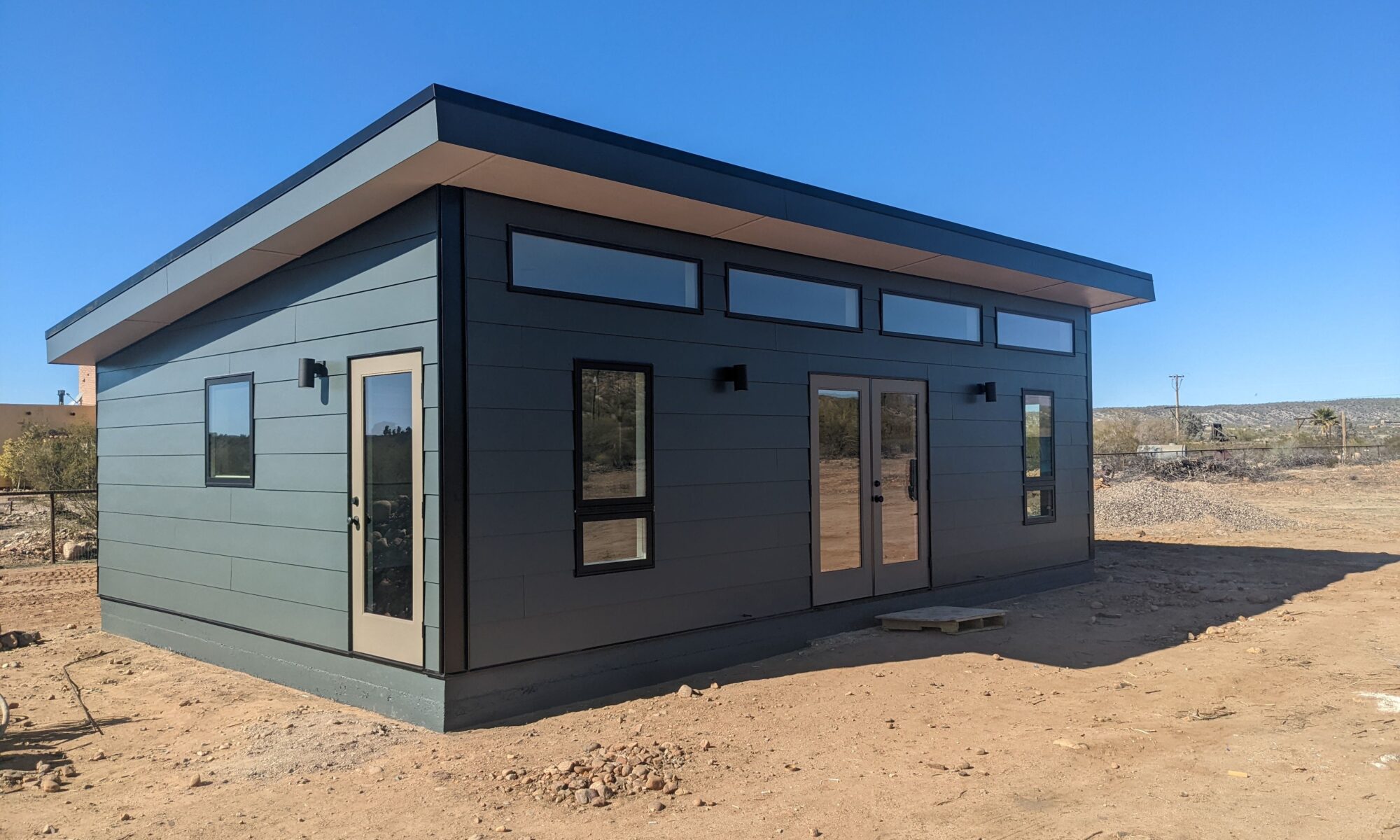
ADU builder

If you’ve ever tried to build a backyard home, a legal tiny house, or any sort of small dwelling that actually passes code… You already know the truth: the rules aren’t simple. Not even close. And most folks only find this out after they’ve bought a cheap trailer, or after they’ve framed half the structure, or worse, right when the inspector shows up with that face. The one that says, “Yeah… this isn’t going to fly.”

And that’s exactly where a real ADU builder steps in.
A good one doesn’t just “build the box.” They make the whole thing legal, safe, engineered, and built in a way that actually lasts. And if you’re planning to build on wheels, your foundation, the trailer, is either going to save you or sink you. No middle ground.

One of the few companies that actually gets this right is Trailer Made Trailers, because they build engineered foundations specifically for legal tiny house and ADU builds. Not farm-store utility trailers. Not retrofitted car haulers. The real deal engineered, tested, overbuilt foundations that inspectors actually respect.

So let’s break this down.
Let’s talk about what an ADU builder really does to make homes legal and safe… and why it matters way more than folks think.

ADU builder

Why Most DIY ADU Builds Run Into Trouble 

People assume the “hard part” is plumbing or electrical. Nope. The pain usually starts way before that at the foundation.

A ton of ADU or legal tiny house projects are built on trailers that were never engineered for housing loads. They were designed to haul ATVs or tractors, not hold a literal house for decades. A house loads weight differently. Think dead loads, live loads, shear, uplift, point loads from framing… stuff most people only hear about after something goes wrong.

And let’s be real: inspectors don’t play around. If your foundation isn’t engineered and the paperwork isn’t lined up right, you’re stopped before you even start framing.

That’s why using the right foundation isn’t a “nice to have.” It’s the whole thing. The whole thing.

How a Professional ADU Builder Keeps Your Home Legal

Legal tiny homes and fully permitted ADUs aren’t created by accident. They become legal because someone with experience makes sure you’re following the rules while still building something livable and strong.

Here’s what a real ADU builder actually does:

1. They design around building codes from day one

Good builders don’t wait for inspectors to tell them what’s wrong. They design the structure walls, ceiling, load paths, bracing, everything based on IRC, ANSI, local zoning, and whatever other alphabet-soup codes your county requires.

Every area’s different. And an experienced ADU builder already knows:

  • required ceiling heights
  • R-value minimums
  • egress window requirements
  • axle spacing and capacity limits for movable units
  • zoning rules for placement
  • ADU size caps
  • setbacks
  • and the list goes on…

Trying to learn all of that yourself is like studying for a test where the questions change every week.

2. They make sure the dwelling has a real engineered foundation

Let’s be blunt. A house (even a small one) needs something stronger than a farm-store trailer with paint still wet on the welds.

This is where companies like Trailer Made stand out. They build engineered, purpose-built foundations for ADUs and legal tiny house builds. These trailers are designed to pass code review, provide proper load distribution, and hold a structure for 30–50 years, not five.

An ADU builder relies on this because everything sits on top of it.

3. They handle permitting and documentation

This part scares people, but it doesn’t have to.

A builder can help gather:

  • engineered drawings
  • load calculations
  • foundation specs
  • utility diagrams
  • elevation drawings
  • site plans
  • stamp requirements
  • fire safety layouts

Most DIY folks get stuck here because the county will ask for things they’ve never heard of. A builder’s job is to make sure you never run into that wall.

4. They install utilities up to code (and safely)

Electrical and plumbing mistakes in a small space aren’t small problems.
In a compact ADU, one mistake becomes a whole-house issue.

A builder ensures:

  • proper GFCI/AFCI protection
  • correct venting
  • fire-blocking
  • pressure testing
  • safe propane routing
  • moisture management (the silent killer of tiny homes)
  • water heater clearance
  • HVAC sizing (big problem in tiny spaces)

A legal tiny house isn’t legal unless these systems pass inspection.

5. They prevent shortcuts that ruin the home later

Truth is, many tiny homes look cute for photos but fail in the real world. Walls bow, floors bounce, doors shift, screws back out, and moisture creeps in everywhere.

A real ADU builder prevents all that with:

  • better fasteners
  • correct sheathing
  • proper tie-downs
  • real flashing
  • correct insulation installs
  • vapor barriers that actually make sense
  • engineered framing patterns

Good builders care about what can’t be seen more than what can.

The Importance of Engineered Trailers 

If you’re building an ADU on wheels, here’s the truth:
Your trailer is your foundation. If it’s wrong, nothing else matters.

Engineered trailers do three things most people never think about:

1. They distribute loads like a residential foundation

Not like a cargo hauler. Not like a toy hauler. Like an actual home foundation. That means:

  • thicker steel
  • custom crossmembers
  • reinforced flange beams
  • engineered weight distribution
  • appropriate axle placement
  • proper load ratings

A cheap trailer ALWAYS fails here.

2. They improve tow safety

Most trailer failures don’t happen during building. They happen during towing axle failures, structural cracks, tongue bending, frame flexing, etc.

Engineered foundations are built to avoid that.

3. They make passing inspection possible

Inspectors want documentation. They want load ratings. They want engineering.
They don’t want “I bought it off Craigslist.”

This is why builders who know what they’re doing choose engineered foundations over bargain-bin steel every single time.

What Happens When People Cut Corners 

I’ve seen:

  • homes sag in the middle
  • roofs separate during towing
  • frames twist
  • steps delaminate
  • doors not closing
  • legal issues that stall entire projects
  • insurance refusing coverage
  • buyers walking away because the home isn’t code-compliant

All of these problems start from one thing: someone tried to save money where they shouldn’t have.

An ADU is a real home. Whether it’s small, on wheels, or in the backyard, it’s still a home. Treat it like one from day one, and the whole project goes smoother, costs less long-term, and stays safe.

How an ADU Builder Protects Your Long-Term Value

Legal tiny houses and ADUs aren’t just about living, they’re investments.
A well-built ADU:

  • appraises higher
  • rents for more
  • lasts decades longer
  • stays insurable
  • holds resale value
  • stays safe for the long haul

A builder ensures the home is built to residential standards not “camper standards,” and definitely not “hope for the best” standards.

When paired with an engineered foundation (like from Trailer Made), the result is something rock-solid, something inspectors appreciate, and something that won’t rot, twist, or fall apart on you five years down the road.

A Legal ADU Starts With the Right Builder and the Right Foundation

You can do a lot yourself. Plenty of people do. But the foundation is not optional. Engineering not optional. Permitting is not optional. The stuff that makes the home legal and safe? That’s exactly what an ADU builder handles, so you don’t have to fight the system alone.

Truth is, if you want a legal tiny house or an ADU that passes inspection without drama, you start with an engineered trailer and a builder who knows the rules inside and out.

Ready to Build a Legal, Safe ADU?

If you want a real foundation for your tiny house or ADU, and you want to start the project on the right foot, start with the right trailer.
The right engineering.
The right support.

Visit Trailer Made Trailers to start your build.

FAQs

1. What does an ADU builder actually do to make a legal tiny house safe?

An ADU builder makes sure your legal tiny house meets code from the first sketch to the final inspection. They check zoning rules, design around IRC requirements, handle permitting, and make sure the structure sits on an engineered foundation. They also install utilities safely and avoid shortcuts that make homes fail inspection later. The foundation, especially if it’s on wheels, is usually the biggest factor.

2. Do I really need an engineered trailer for a tiny house or ADU?

Short answer: yes. A house’s weight is different from that of a cargo hauler. Engineered trailers prevent frame twist, axle overload, towing failures, and moisture issues from improper flex. Inspectors also prefer engineered documentation because it proves the home is built on a real foundation, not a utility trailer that wasn’t designed for long-term housing.

3. Can I DIY an ADU without a builder?

You can, technically. But most DIY builders hit legal walls with permitting, structural engineering, or utilities. An ADU builder knows the building codes and catches problems early. And if you’re planning to build on wheels, you still need an engineered foundation, or the project may never be approved, builder or not.

4. How do ADU builders help with inspections?

They prep the paperwork inspectors want: structural drawings, load paths, foundation specs, utility layouts, and engineering documents. Builders also design the home to pass code the first time, so inspectors aren’t flagging issues halfway through the project. It saves time, money, and stress.

5. Why do legal tiny houses fail inspection so often?

Because people start with the wrong foundation or follow RV-style building methods. Homes need correct sheathing, proper tie-downs, correct egress windows, fire-blocking, and safe utilities. A good ADU builder understands residential construction, not RV construction, and builds to codes that inspectors recognize.

Why Frame Kits Are the Smart Choice for Building Small Homes

build your own tiny house kit

Building a small home sounds simple. Cute, even. But if you’ve ever actually tried to turn a tiny house dream into something that sits on a foundation or a trailer, you learn real fast that the “simple” idea can turn messy, expensive, and honestly kind of overwhelming. People imagine a weekend project. A cozy little cabin on wheels. Then they meet reality: engineering requirements, weight loads, codes, sourcing lumber, finding a weld shop that doesn’t ghost you, and trying to put square walls on a frame that… well… isn’t square.

That’s why tiny home frame kits came into the picture. And why they’re becoming the smartest move for anyone who wants to build your own tiny house kit without losing their sanity or their savings.

I’ll be straight: most of the problems people face in tiny home builds start at the base. The trailer. The frame. The structure under everything. And when that part goes wrong, everything on top goes wrong too. You can’t out-build a bad foundation.

So yeah, frame kits matter. More than people think.

Let’s break it down.

build your own tiny house kit

The Real Reason Frame Kits Took Off 

There’s this idea floating around that tiny homes “just grew popular because of TV shows.” You know the ones, beautiful homes built in a week by crews you never see. But that’s not why frame kits matter. The truth is simple: tiny homes got more complicated, not less.

People wanted bigger bathrooms, skylights, lofts that didn’t feel like coffins, better insulation, real windows… basically, they wanted small homes that lived like normal homes. And that meant builds got heavier, more technical, more code-dependent.

A basic hardware-store trailer wasn’t going to cut it anymore.
Random lumber from a sketchy yard? Also, not cutting it.

Enter: tiny home frame kits. Pre-engineered. Purpose-built. Designed so the thing doesn’t twist, flex, or fall apart the first time you hit a pothole.

Frame kits didn’t grow because of trends. They grew because DIY builders needed something that didn’t fight them at every step.

Why Starting With a Proper Frame Saves You Thousands 

Look, I’ve met a lot of DIYers. Some brilliant. Some… well, enthusiastic. And the same pattern shows up over and over:

They start with a cheap trailer.
They “figure it out.”
Halfway through the build, something’s wrong. The walls don’t square. The doors don’t hang right. Roofline slopes weird. Or the trailer is flexing more than a diving board in summer.

Then they restart. Or reinforce. Or call someone like Trailer Made to fix it, which, let’s be honest, costs more than starting with the right thing in the first place.

The truth? Cutting corners on the frame is like cutting corners on your spine.

Everything depends on it.
Every screw. Every window. Every bit of plumbing that shouldn’t crack because your house wiggles going down the road.

A purpose-engineered frame means:

  • You’re not guessing about load distribution.
  • You’re not fighting warping that shows up months later.
  • You’re not rebuilding walls because the base shifted.
  • You’re not blowing your budget on “surprise fixes.”

It just works. And that’s worth more than people think until it goes wrong.

Why Tiny Home Frame Kits Beat Raw Lumber Every Day of the Week

Let’s get into the good stuff.

Most folks assume they can DIY their tiny home structure from raw materials. Sure, you can. But should you? That’s another story.

Reason 1: Consistency

Lumber from big-box stores is, uh, let’s say… unpredictable. Some boards look straight until you lay them flat. Some arrive warped like they spent a week on a sauna floor. A frame kit is engineered, cut, and welded with precision, and you’re not fighting warped materials.

Reason 2: You save time. Real-time.

People underestimate how long it takes to source materials, prep them, cut them, square them, fix mistakes, redo cuts, recut them again…
Frame kits drop in, ready to assemble.

Reason 3: Weight matters. A lot.

Tiny homes that aren’t engineered often end up overweight by thousands of pounds. They ride poorly, tow dangerously, and strain everything from axles to tongues. A proper frame kit keeps weight where it should be.

Reason 4: No guesswork

You get a blueprint. A system. A structure built on experience, not on someone’s third YouTube tutorial.

And yeah, engineered trailers matter even more. If the base trailer isn’t designed for tiny home loads, you’re building a house on hope.

What Makes Trailer Made’s Frame Kits Different? 

You’ll see a lot of companies talk about “quality.” It’s become one of those words that people throw around like seasoning. Sprinkle it on and hope it adds flavor.

Trailer Made does things differently. Been doing this long before tiny homes became mainstream. They focus on engineering first. And that’s the part most companies skip because it’s expensive, time-consuming, and harder than just welding steel into a rectangle and calling it good.

Engineered trailers

This is the biggest difference. These aren’t converted flatbeds. They’re not farm trailers pretending to be tiny home foundations.

They’re purpose-built: load-rated, stress-tested, flex-balanced.

If you’ve never seen what happens when a non-engineered trailer hits highway wind at 70 mph with a tiny home on it… Trust me, you don’t want to.

Long-term durability

A tiny home isn’t just a weekend camper. People live in these things. Full-time. With water, appliances, humidity, shifting temperatures, all the stuff that stresses materials. A well-engineered frame handles it.

Customization

Every builder has a different plan. Loft height, bump-outs, rooftop decks, you name it. Trailer Made designs frames to match the build, not force the build to fit the frame.

Value that lasts

Cheap frames cost more in the long run.
Repairs. Rebuilds. Structural fixes.
A Trailer Made frame kit? It outlives the rest of the home.

Honestly, you should never gamble the entire house on the part that holds up the house.

Frame Kits Make Building Your Own Tiny Home Not Just Possible, But Actually Enjoyable

People love the idea of building a house with their own hands. And that’s great. But nobody loves the feeling of staring at a crooked frame while wondering where everything went wrong.

A solid tiny home frame kit gives you:

  • A clean starting point
  • A flatter learning curve
  • A safer structure
  • More accurate finishing work
  • Less wasted lumber (and money)
  • A build you’re actually proud to show off

It’s like stepping into a game on Level 3 instead of Level 1. Still a challenge, still fun, but you’re not dying every 10 minutes.

A Frame Kit Doesn’t Make You “Less of a DIYer” It Makes You Smarter

There’s a weird pride thing out there. Some folks think using a kit means they “didn’t build it themselves.”
No.
You’re still building it. All of it. Walls, insulation, wiring, finishes, everything.

The kit just gives you a professional-grade skeleton instead of a gamble.

Think of it like using a surgeon’s scalpel instead of a rusty pocketknife. Same skill. Better outcome.

Why the Smartest Builders Start With the Frame Kit AND the Right Trailer

And yes, both matter.
I’ve seen people buy great frame kits and put them on questionable trailers. It’s like putting a Ferrari engine in a lawnmower.

Trailer Made Custom Trailers are built for this industry. That’s not marketing talk. That’s years of design, testing, failures, improvements, and more improvements stacked on top of those.

You want your tiny home to tow straight?
Stay stable?
Sit level for decades?
Avoid cracks and separation?
Resist twisting from wind and roads?

Then the trailer matters. Probably more than anything else.

Why Frame Kits Are the Future (Even for Pros)

It’s not just DIYers using frame kits anymore.
Pro builders want consistency. Repeatability. Savings. Predictability.

ADU builder, tiny home companies, van conversion shops, everyone’s moving toward engineered kits because time is money, and mistakes are liability.

A kit eliminates 90% of the problems before they begin.

And when you pair that with Trailer Made, you get something that lasts decades, not seasons.

So… Are Frame Kits Worth It?

Short answer? Yes.
Long answer? Absolutely yes, unless you enjoy stress.

They cost more upfront than trying to piece things together yourself. But they save you 10x the cost in time, waste, repairs, rework, and frankly regrettable mistakes.

If you want a small home that’s safe, long-lasting, towable, insurable, and something you’re proud to show anyone… frame kits are the smart choice.

And Trailer Made? They’re the ones pushing the industry further, faster, and safer than anyone else.

Ready to Start Your Build?

If you’re serious about building a tiny home that stays solid for the long haul, start with the right frame and the right trailer.

👉 Visit Trailer Made Trailers to start your build.

Your tiny home deserves a foundation built to last. Don’t settle for anything less.

FAQs 

1. Are tiny home frame kits really better than building from scratch?

Yes, frame kits are stronger, straighter, and way more reliable than scratch-built frames. With tiny home frame kits, you skip warped lumber, bad measurements, and guesswork. They’re engineered, which means your home lasts longer and performs better on the road.

2. Can beginners actually build their own tiny house kit safely?

Absolutely. A build your own tiny house kit gives you a stable foundation and a clear roadmap, so you’re not reinventing the wheel. You still do the full build walls, finishes, everything, but you’re not fighting structural issues from day one.

3. Why does the trailer matter so much for small homes?

Because the trailer IS the foundation. An engineered tiny home trailer distributes weight correctly, prevents frame twisting, and keeps your home safe during towing. Companies like Trailer Made design trailers specifically for tiny home loads, not just modified flatbeds.

4. How long do tiny home frame kits last?

A good frame kit, especially one paired with an engineered trailer, lasts decades. Steel framing doesn’t warp like wood, and an engineered base keeps the home structurally sound even with full-time living conditions.

5. Are frame kits cheaper in the long run?

Yep. They reduce mistakes, rebuilds, wasted materials, and long-term structural issues. Upfront cost is higher, but lifetime cost is far lower. You basically buy peace of mind and a house that won’t sag, twist, or fall apart.

Tiny Home Trailers for Sale: What You Really Need to Know Before You Buy

tiny house

Tiny homes have exploded in popularity these last few years. People are waking up to the idea that you don’t need a giant mortgage or a 3,000 sq. ft. house to live well. Less cost, less clutter, more freedom—that’s the draw. But here’s the thing a lot of folks overlook: your trailer.

The trailer isn’t just some wheels under your house. It is the foundation. If you screw this part up, your “dream home” can turn into a nightmare pretty quick. Crooked frames, axles not rated for the weight, rust that eats through in a few winters—you name it, I’ve seen it.

So whether you’re a DIY type or hiring an ADU builder, let’s walk through what actually matters when you’re shopping tiny home trailers for sale.

Tiny home trailers for sale built by Trailer Made in Colorado

Why the Trailer is Everything

Traditional homes get concrete poured for a reason: foundation matters. In tiny homes, your trailer is that foundation. It holds the entire structure, it stabilizes everything, and it needs to be safe to move down the road when you hitch up.

Pick the wrong trailer? You’re risking structural failure, dangerous towing, and repairs that cost more than just doing it right in the first place. Trust me—it’s not worth cutting corners here.


Weight Capacity – Don’t Guess Wrong

Here’s the deal: most people underestimate how heavy their tiny home is gonna be. Once you add insulation, finishes, appliances, furniture—it stacks up fast. Always check the GVWR (Gross Vehicle Weight Rating). Then add 10–15% buffer.

If you’re working with an ADU builder, they’ll help you calculate. If you’re doing it yourself, don’t “eyeball it.” That’s a recipe for a busted axle.


Trailer Size: Length & Width

Length matters.

  • Under 20 ft = easier to tow, but less living space.
  • 24–32 ft = room for full kitchens, bathrooms, lofts… but you need the right truck to tow it.

Width? By law you’re capped at 8.5 ft in the U.S. without special permits. Stay inside that limit unless you like headaches.

GVWR rated tiny house trailer with reinforced steel frame

Build Quality: Where People Screw Up

Steel frame. Fully welded. Powder coated. That’s non-negotiable.

A lot of “budget” trailers use bolted connections or cheap coatings that start rusting the first winter. That trailer will fail on you. You’re building a house—treat it like one.


Axles & Suspension

Two main options:

  • Leaf spring axles: Cheaper, do the job, easy to repair.
  • Torsion axles: Smoother ride, sit lower, less wear and tear. Cost a bit more, but worth it if you plan to move often.

Brakes, Hitches, and Deck Height

Don’t skimp here. Electric brakes should match your trailer’s rating. Your hitch has to match your truck setup (bumper pull vs. gooseneck).

And deck height? Lower is better. You’ll get more interior height and a more stable tow.


Buying New vs. Used

Yes, you can save some cash buying used. But here’s reality: most used trailers were never designed for tiny homes. They’re utility trailers, cargo trailers, whatever. Wrong load distribution, questionable axles, hidden rust.

With new, ANSI-certified, tiny house–specific trailers, you get peace of mind and a warranty. That’s what we build at Trailer Made. Every trailer is custom-engineered for tiny homes and ADUs.

Tiny house trailer length options from 16 to 32 feet

Why Trailer Made?

We’ve been at this for years—long before “tiny homes” were on HGTV. Trailer Made Trailers are:

  • ANSI and NOAH certified
  • Built here in Colorado by a family-owned business
  • Used in HUD, FEMA, and DOD projects across the country
  • Proven in disaster recovery (we even supported Maui fire victims)
  • Backed by decades of innovation in small housing and ADUs

We don’t outsource. We don’t cut corners. We build the strongest foundation you can put under a tiny home, period.


Final Word

Your trailer is the single most important choice you’ll make in your build. Get it wrong, and you’ll regret it every time you hitch up. Get it right, and you’ll have a foundation that’ll last as long as your house does—something every experienced adu builder knows from the start.

👉 Check out Trailer Made’s custom-built tiny home trailers for sale and let’s get your build rolling.


FAQs

What size trailer should I buy?
Depends on your floor plan and tow vehicle. Most tiny homes use 16–32 ft trailers.

What’s the weight capacity I need?
Most tiny homes fall in the 10,000–21,000 lb range. Always add extra capacity.

New or used?
Used = risk. New = warranty and safety.

What’s better, bumper pull or gooseneck?
Bumper pull = smaller, easier to tow. Gooseneck = more stable for big builds.Can my truck tow it?
Not unless it’s rated for the full trailer + home weight. Always check before you build.