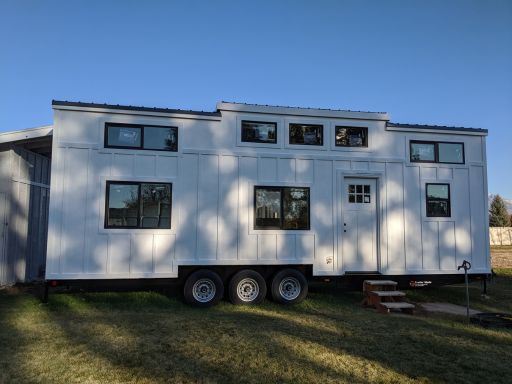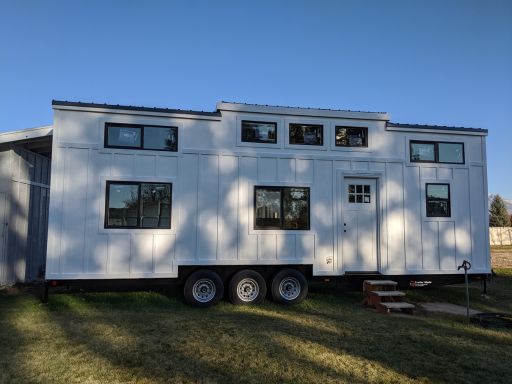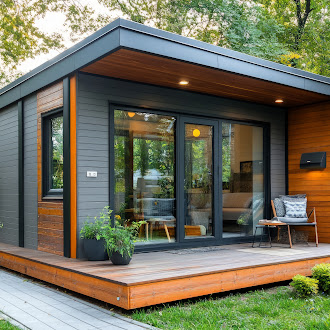
The ADU world is changing fast. Faster than a lot of people realize.
A few years ago, most people barely knew what an accessory dwelling unit construction project even was. Now? Cities are rewriting zoning laws, investors are buying backyard properties specifically for rental income, and homeowners are suddenly trying to figure out how to squeeze a second living space onto land they already own.
And yeah, some of that demand is being driven by housing costs getting out of control. But there’s more to it than that.
Families want flexibility now. Aging parents. Adult kids moving back home. Remote work. Rental income. Short-term rentals. Private guest housing. People want options. Backyard homes and manufactured ADU projects are filling that gap in a big way.
But here’s the part most glossy prefab websites skip over:
The ADU industry is also getting flooded with cheap builders, weak trailer systems, and marketing companies pretending they’re actual manufacturers.
That’s becoming a real problem. Because once you start talking about permanent housing, long-term rentals, engineered transportation platforms, and code compliance, the stakes get a lot higher than some Pinterest tiny-home fantasy.
The companies that survive long term? They’re going to be the ones focused on engineering, durability, code knowledge, and real manufacturing experience.
That’s where the industry is headed now.

The Shift From “Tiny House Trend” To Real Housing Infrastructure
A few years ago, most ADU conversations sounded like lifestyle marketing.
- Minimalism.
- Freedom.
- Tiny living.
- Instagram cabins in the woods.
That stuff still exists, sure. But the market has matured a lot. Today’s buyers are more practical. More financially driven. More serious.
People are building ADUs because they need housing solutions that actually work in the real world. They want long-term value. Stable rental income. Multigenerational living space. Flexible property use.
The short answer is this:
ADUs stopped being a niche trend and started becoming part of the housing market itself. That changes everything. Now, municipalities are involved. Inspectors are involved. Engineering matters more. Trailer quality matters more. Structural fatigue matters more. Transportation logistics matter more. A lot of newer ADU manufacturers aren’t prepared for that level of responsibility.
Engineered Foundations Are Becoming A Bigger Deal
This is one of the biggest industry shifts happening right now.
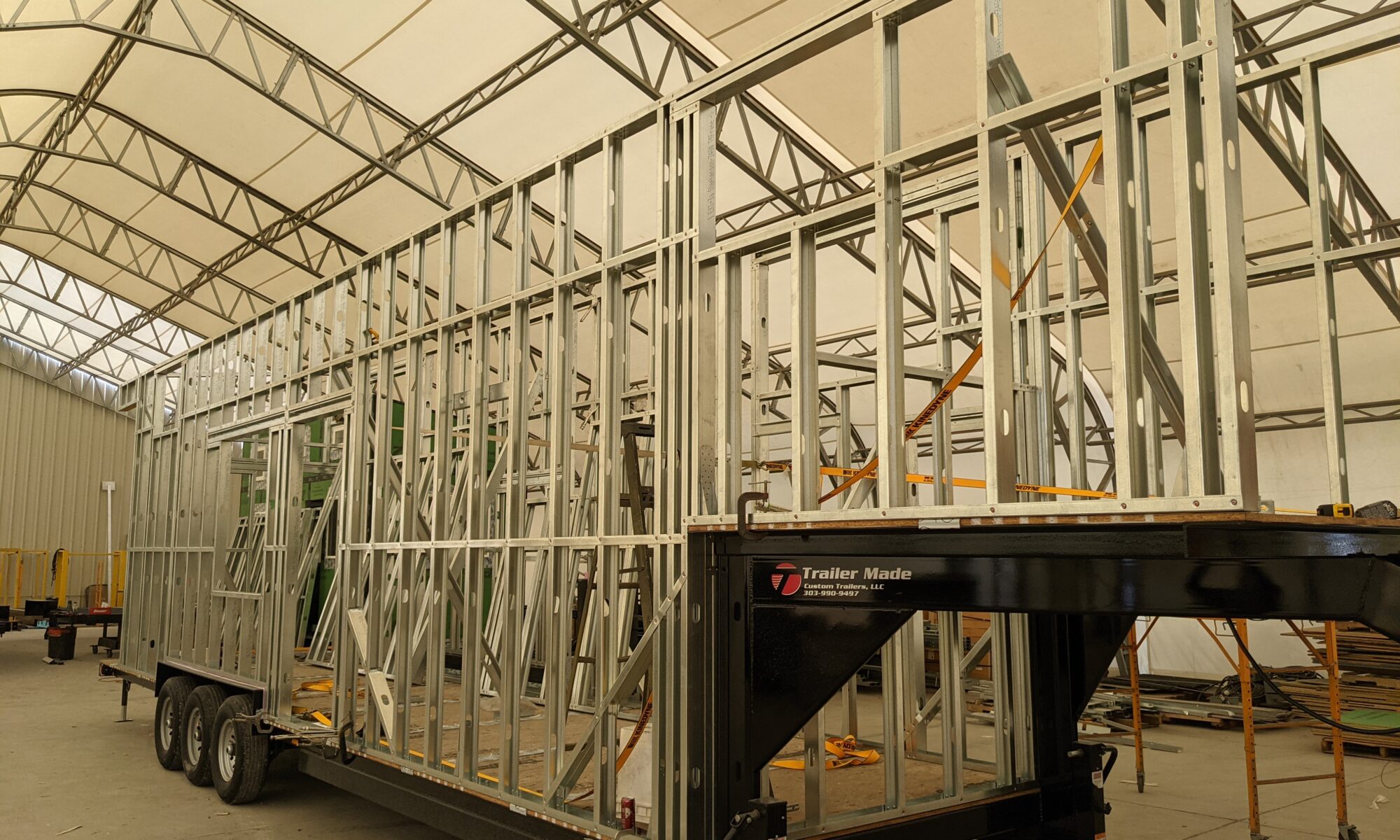
People are finally starting to understand that the trailer underneath a manufactured home ADU is not “just a trailer.” It’s the structural platform for the entire build. That matters a lot.
A poorly engineered frame can create problems for years:
- wall cracking
- door alignment issues
- moisture intrusion
- floor sagging
- towing instability
- long-term structural fatigue
And the ugly part is, many buyers don’t notice those issues until it’s way too late.
We’ve seen this happen across the industry over and over. Builders are trying to save money by using thinner steel, weak crossmembers, bad axle placement, or generic RV-style frames that were never intended for long-term housing loads.
Then six months later, the owner is dealing with structural headaches. Truth is, the trailer is one of the most important parts of the entire project. Maybe the most important.
That’s why serious ADU manufacturers are leaning heavily into engineered systems now instead of generic fabrication.
At Trailer Made Trailers, that engineering-first mindset has been part of the company from the beginning. Not as a marketing slogan. As an actual manufacturing philosophy.
And honestly, that distinction matters more now than ever.
Prefab ADU Demand Is Exploding
Prefab isn’t slowing down anytime soon.
A lot of homeowners simply don’t want a 12-month traditional construction project wrecking their property while contractors drag things out forever. They want speed, predictability, and fewer surprises.
That’s why prefab ADU and modular systems are gaining traction nationally. But there’s nuance here people don’t always talk about.
Not all prefab systems are equal. Some are genuinely engineered housing products built for durability and transportation stress. Others are basically rushed sheds with fancy marketing.
Big difference.
The better prefab ADU companies are focusing heavily on:
- transport engineering
- stamped structural systems
- code alignment
- insulation performance
- long-term durability
- serviceability over time
Because once a unit gets transported across multiple states, flexed under highway loads, and installed permanently, weak construction starts revealing itself fast.
You can fake quality in photos. You can’t fake it after 20,000 highway miles.
More Investors Are Entering The ADU Market
This trend is huge right now. Backyard rentals used to be mostly homeowners creating space for family members. Now investors are entering aggressively because ADUs can create additional cash flow without buying entirely new land.
People are turning garages, backyards, and unused property space into income-producing assets. In some markets, ADUs are making more financial sense than traditional rental expansion.
Especially in areas where land prices are insane. But investor buyers ask different questions than lifestyle buyers.
They care about:
- maintenance costs
- longevity
- permit success
- transportation risk
- tenant durability
- resale value
- long-term structural performance
That’s pushing the entire manufactured ADU industry toward higher-quality systems. Cheap builds don’t survive rental use very well. That’s just reality.
The wear and tear on rental units is brutal sometimes. Weak flooring, cheap trailers, poor moisture control, low-end suspension systems those problems show up fast under constant occupancy.
The smarter investors are learning to spend more upfront on engineering and durability because it usually saves money long term.
Modular ADU Manufacturer Competition Is Getting Intense
The ADU space is crowded now. Every month, there seems to be another prefab startup with slick renderings and big promises. Some of them are legitimate. Some honestly feel more like marketing agencies than actual builders.
And buyers are starting to notice the difference. A real modular ADU manufacturer should be able to explain:
- trailer engineering
- load distribution
- transportation dynamics
- code compliance
- axle placement
- structural reinforcement
- long-term serviceability
If a company can only talk about countertops and paint colors, that’s probably a red flag.
Because housing systems are complicated. Especially mobile or transportable systems.
The companies rising to the top right now are usually the ones with actual manufacturing depth behind them. Real fabrication experience. Real welding operations. Real engineering involvement. Not just outsourced builds with polished branding.
ADU Buyers Are Becoming More Educated
This is another major shift happening.
Buyers are asking smarter questions now.
Five years ago people mostly asked:
“How cute is it?”
“How much?”
“How fast can I get one?”
Now they’re asking:
“What’s the frame thickness?”
“How is the trailer engineered?”
“What happens during transport flex?”
“Can this survive long-term rental use?”
“What codes does this comply with?”
“How does moisture management work?”
Honestly, that’s a good thing. Because educated buyers force the industry to improve. And companies that cut corners hate educated buyers.
The better ADU manufacturers welcome those conversations because they actually have answers backed by engineering and real-world experience.
Backyard Homes Are Becoming Permanent Housing Solutions
This trend matters a lot for the future of the industry. Backyard homes used to feel temporary. Kind of secondary. Now, many cities are treating them as legitimate housing infrastructure.
That changes buyer expectations dramatically.
People expect:
- better insulation
- better structural performance
- longer lifespan
- higher-quality foundations
- better towing systems
- more durable materials
And honestly, they should.
If someone is spending serious money on a manufactured ADU, it needs to function like real housing. Not a disposable structure.
That’s why long-term engineering matters so much now. A weak foundation system doesn’t just affect transportation. It affects everything above it for years afterward.
The Industry Is Moving Toward Engineering-First Marketing
You’re seeing this shift everywhere now. The companies gaining authority are the ones educating buyers instead of just selling aesthetics.
People want transparency.
They want to understand:
- Why axle placement matters
- Why weight distribution matters
- Why frame rigidity matters
- Why Transport Stress Matters
- Why cheap steel becomes expensive later
And honestly, the ADU industry needed this shift. For too long, marketing completely ignored the foundation systems underneath these builds.
That’s changing now because too many poorly engineered units created real-world problems. Trailer Made has been pushing that engineering conversation for years already. Long before it became trendy marketing language.
That matters because experience matters. A company that has seen thousands of real-world builds, transportation scenarios, and structural challenges develops instincts newer companies simply don’t have yet.
You can’t shortcut experience in this industry.
Cold-Formed Steel And Hybrid Systems Are Growing
Another trend gaining momentum is the move toward stronger structural materials.
More builders are using:
- cold-formed steel
- hybrid framing systems
- heavier-duty crossmembers
- reinforced transport structures
Why? Because durability expectations are rising. People want ADUs that last decades, not just survive delivery day. Especially investors, full-time occupants, rental operators. And here’s the truth a lot of cheap builders avoid saying out loud:
The cheapest possible build usually becomes the most expensive long-term.
- Repair costs pile up.
- Structural issues spread.
- Transportation damage compounds.
- Moisture problems get ugly.
Good engineering upfront costs more for a reason.
Permit And Code Complexity Is Driving Demand For Experienced Builders
Permits are still a nightmare in a lot of areas.
Some jurisdictions are ADU-friendly. Others feel like they’re actively fighting the concept. And code requirements keep evolving. That’s creating more demand for experienced ADU manufacturers that understand compliance, engineering documentation, and inspection expectations.
Because homeowners don’t want to gamble with six-figure investments. The companies doing well right now are the ones helping buyers navigate real-world complexity instead of pretending everything is easy.
Because honestly?
It usually isn’t easy.
Transport logistics alone can become complicated fast, depending on width, weight, height, and destination access. Then add local codes, utility hookups, site prep, inspections, and installation requirements on top of that.
This industry is becoming more sophisticated, not less.
Long-Term Value Is Becoming More Important Than Initial Price
This may be the biggest trend of all. Buyers are starting to understand that cheap pricing often hides expensive compromises.
- Weak trailer systems.
- Low-grade steel.
- Minimal engineering.
- Poor corrosion protection.
- Bad suspension systems.
And those shortcuts usually reveal themselves eventually. Serious buyers are shifting toward long-term thinking now.
They’re asking:
“How long will this last?”
“How well is this engineered?”
“What happens after years of transportation and occupancy?”
“Who actually manufactured this?”
That’s a healthier industry direction overall. Because long-term housing should be built with long-term thinking. Not short-term marketing.
Trailer Made’s Position In The Industry
There are plenty of companies selling prefab structures right now. Far fewer companies truly understand the engineering underneath them.
That’s where Trailer Made separates itself.
Our company built its reputation around engineered trailer systems, real manufacturing expertise, structural integrity, and long-term durability. That matters in an industry where transportation stress alone can destroy poorly designed systems.
Trailer Made has spent years helping shape conversations around:
- engineered trailer foundations
- code-focused construction
- structural performance
- transportation realities
- long-term durability
- heavy-duty housing platforms
And buyers are getting smarter about recognizing that difference. Because once you’ve seen what happens when a cheap frame starts failing underneath a housing unit, you stop shopping based on price alone pretty fast.
Final Thoughts
The ADU industry is growing. That’s probably the simplest way to put it. The companies that survive long term won’t be the ones with the prettiest renderings or the cheapest pricing.
They’ll be the ones building systems that actually hold up in the real world. Because real-world performance eventually exposes everything.
If you’re researching a prefab ADU, manufactured home ADU, or modular housing project, pay attention to the foundation system underneath it. Ask hard questions. Push for engineering details. Understand transportation realities. That part matters more than most people realize.
Visit Trailer Made Trailers to start your build and learn more about engineered trailer systems built for long-term ADU performance.
FAQs
What is an ADU manufacturer?
An adu manufacturer is a company that designs and builds accessory dwelling units, often using prefab or modular construction methods. Some companies only assemble structures, while others actually engineer and fabricate the trailer foundations and structural systems themselves. That distinction matters a lot more than people think. A true manufacturer understands transportation stress, structural integrity, and long-term durability — not just interior finishes.
How do ADU manufacturers differ from traditional home builders?
Traditional builders usually construct homes entirely on-site, while many ADU manufacturers build units in controlled factory environments before transport and installation. That changes the engineering process quite a bit. Manufactured adu projects have to survive highway transportation, loading stress, lifting, and placement conditions that traditional homes never deal with. So the trailer system and structural platform become critical parts of the build.
What types of ADUs do manufacturers offer?
Most ADU manufacturers offer several types of units including prefab ADUs, modular backyard homes, granny flats, park-model style units, and transportable manufactured home ADU systems. Some focus on compact living spaces while others build larger rental-ready layouts for investors and multigenerational housing. The better companies also customize trailer engineering based on weight distribution and intended use instead of forcing every project onto the same generic frame.
How much does it cost to hire an ADU manufacturer?
Costs vary a lot depending on size, engineering requirements, transportation distance, finishes, code compliance needs, and installation complexity. Some lower-end prefab units may look cheap upfront but become expensive later because of weak construction or structural issues. Higher-quality modular ADU manufacturer companies usually cost more initially because engineered trailers, better materials, and long-term durability are baked into the build process from the start.
Are ADU manufacturers responsible for permits and installation?
Sometimes yes, sometimes no. Some companies handle permits, transportation, installation, and utility coordination as part of a full-service package, while others only manufacture the structure itself. This is why buyers need to ask detailed questions early. Permits, site prep, and installation logistics can become complicated fast depending on local jurisdiction rules, access conditions, and transportation restrictions.