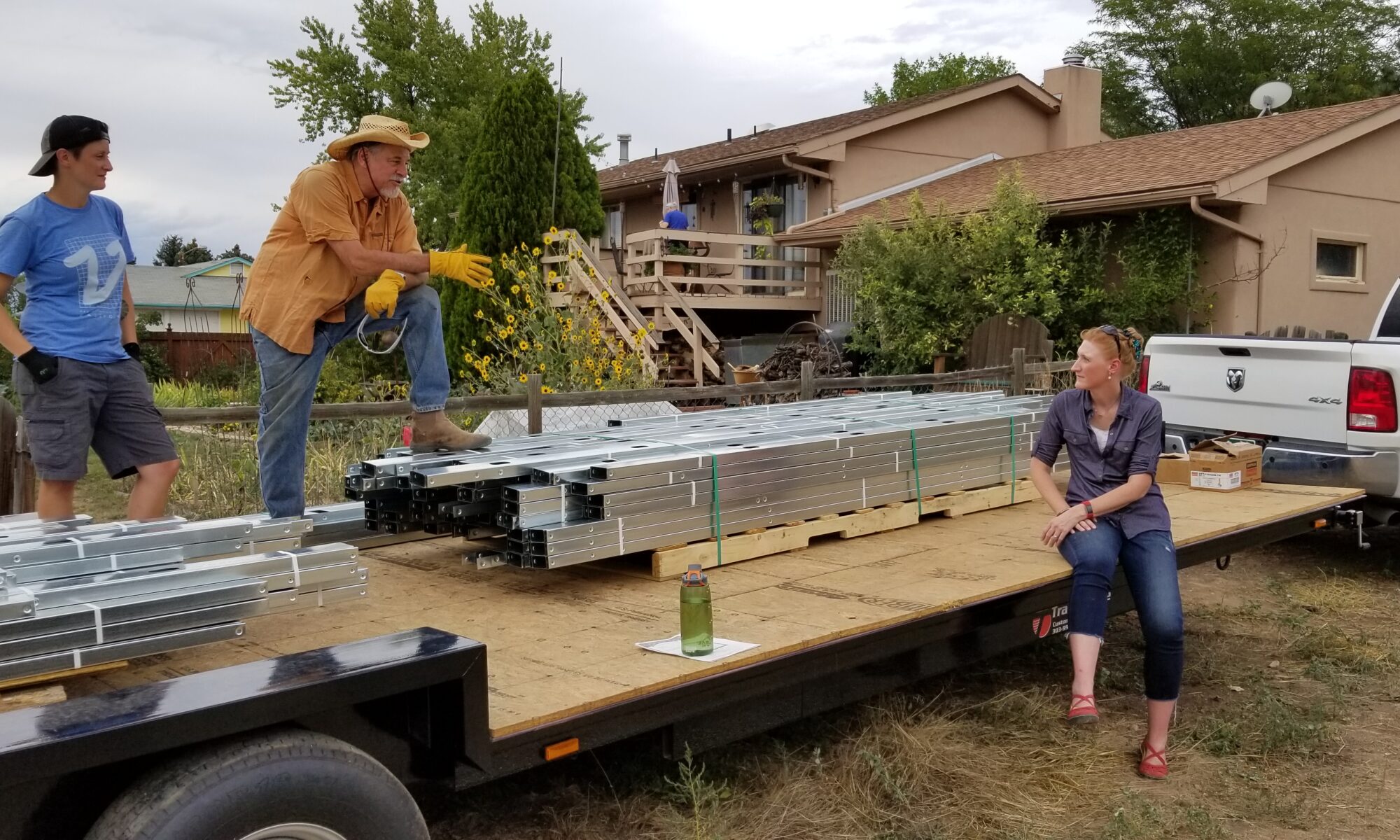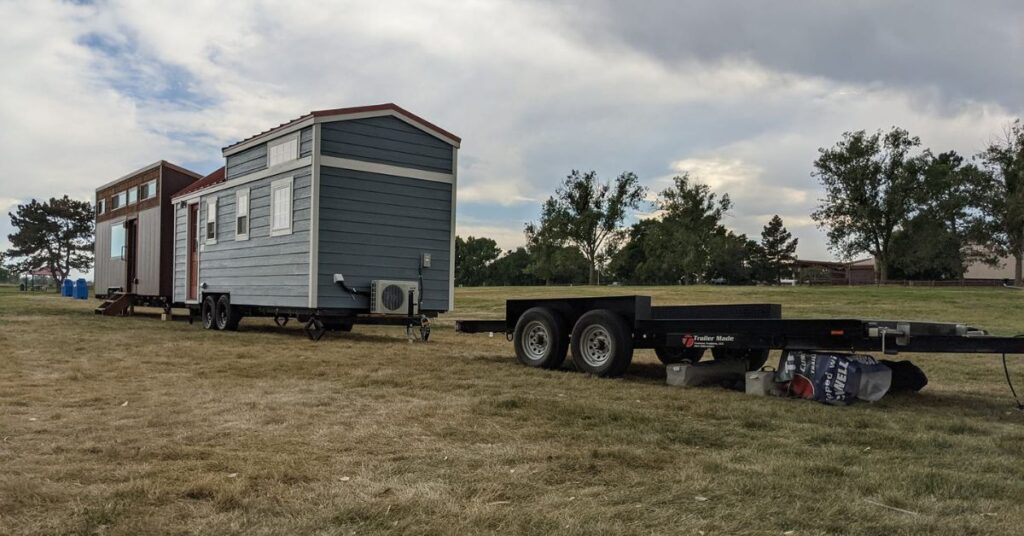
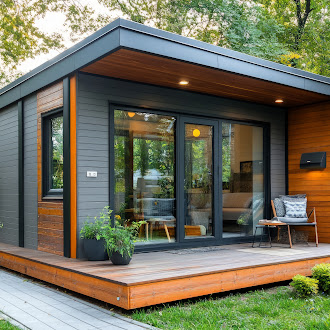
If you’re jumping into a custom home project, big, small, tiny, or somewhere in the “still figuring it out” zone, you probably already know there are a thousand decisions waiting for you. Flooring, layout, utilities, siding, windows that cost more than your first car… yeah, all of that. But the part people weirdly skip over?
The thing holding the entire thing up. Literally.
Your trailer.
Most folks don’t start with equipment trailers because they assume it’s “just the base.” Like buying tires after you’ve bought the car. But when you’re building something that could weigh thousands of pounds, something you’re planning to live in, sleep in, move around on the highway… the trailer isn’t the base.
It’s the foundation. And if the foundation sucks, I don’t care how fancy your interior is, you’re gonna hate that thing in a year.
So let’s break down the best equipment trailers for custom home projects, what to look for, why engineered frames matter, and why Trailer Made leads the pack when it comes to tiny house builders, DIYers, and anyone going the custom route.
And yeah, we’ll be blunt where it matters.
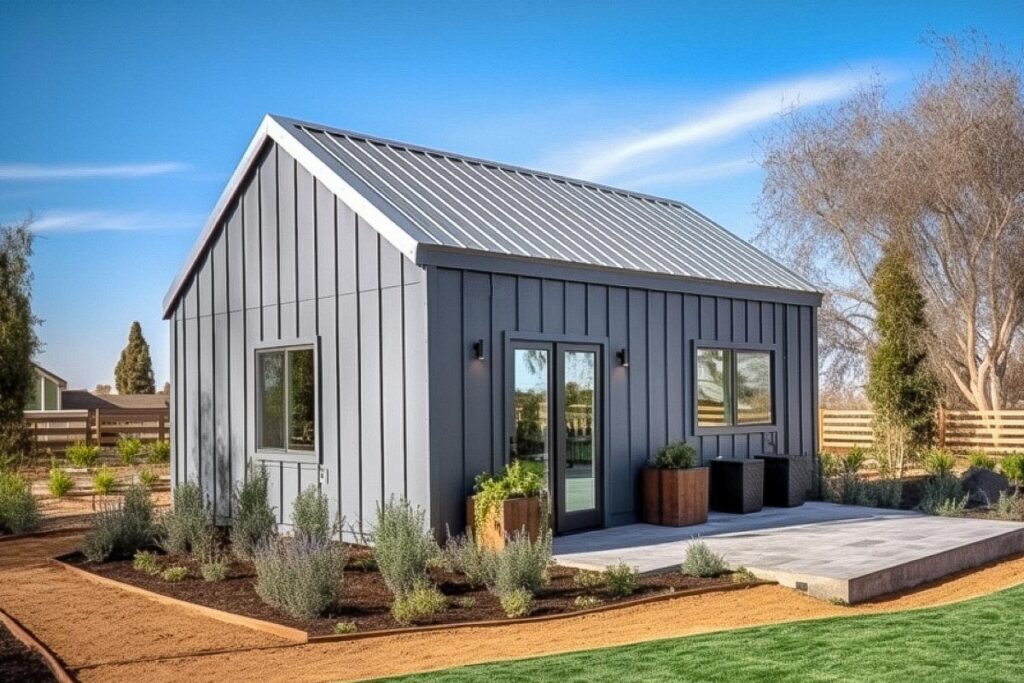
Why Your Equipment Trailer Choice Can Make or Break Your Custom Home Build
People romanticize building a tiny home or ADU like it’s a nice weekend hobby. But if you’ve ever actually built one, you know the truth: it’s a construction project sitting on wheels. Heavy wheels. With real risk if something is off by even an inch.
A custom home project, whether it’s a full-size ADU, a tiny house on wheels, or a hybrid workshop-living space, needs a trailer built for weight, movement, and stability. Not a cheapest-one-on-Craigslist special.
The short answer:
If the trailer flexes, rusts out, is rated too low, or isn’t engineered specifically for living structures… your home will feel it. Walls crack. Floors shift. Doors stop closing right. And good luck towing.
This is exactly why people look to Trailer Made Custom Trailers. Their engineered frames? They’re built for tiny house kits, ADUs, oddball custom structures, and those “I want something different” projects that a lot of traditional equipment trailers just can’t handle long-term.
What Makes an Equipment Trailer “The Right One” for Custom Home Builds?
Let’s break this down in simple language, not blueprint jargon.
1. Engineered Strength (Not Guesswork Strength)
Some companies weld a frame, paint it black, slap a GVWR sticker on it, and call it a day. That might work for hauling lawn equipment. It doesn’t work for carrying an actual building.
Trailer Made trailers are specifically engineered. Meaning:
They are designed around correct load distribution, live loads, dead loads, and the weight creep that happens once people start adding tile, appliances, solar, lofts, water tanks, you name it.
Engineered > “We think it’ll hold.”
That alone puts them in a different league from generic custom-built equipment trailers you see floating around marketplaces.
2. A Deck That Matches Your Build
For custom home projects, the deck design matters more than people think.
You need:
- A flush-mount deck (easier framing)
- Strong crossmembers
- Solid welds (not bubbly tack-on welds)
- A frame that won’t twist when you hit real-world roads
When tiny house builders talk about their builds lasting long-term, they’re almost always talking about builds that started on an engineered, purpose-made trailer like Trailer Made’s tiny house foundations.
3. Axles That Actually Match Your Weight
I’ve seen folks throw a 14,000-lb structure on some random 10k trailer and just pray. Don’t do that. Axles matter. Undersized axles mean your brakes fail sooner, your tires burn hotter, and your structure feels every bump worse than it should.
Trailer Made uses correct axle ratings for their house trailers, usually 7k, 8k, and up. And they’re not shy about telling you what you actually need instead of what you think you can get away with.
4. Long-Term Value > Initial Price Tag
Here’s the thing no one says out loud:
The trailer is the one part of your build you can’t swap out later.
Everything else you can remodel, replace, or redesign. But the foundation? That’s it. You choose wrong once, you pay for it forever.
That’s why people serious about tiny house kits, mobile ADUs, or any custom home-on-wheels go with purpose-built equipment trailers instead of bargain trailers.
Because the “cheap one” eventually becomes the “expensive mistake.”
So… What Are the Best Types of Equipment Trailers for Custom Home Projects?
Let’s get into the actual trailer types people use and which ones you should use.
1. Purpose-Built Tiny House Trailers
These are the trailers Trailer Made is known for. If you’re building:
- Tiny homes
- Mobile cabins
- ADU-on-wheels
- Studio or office trailers
- Hybrid workshop-home builds
This is the trailer you pick.
Why?
Because they’re engineered from day one to hold a full building. The frame sits flush, so your floor framing drops right in, everything bolts securely, and the structure rides smoother on the road.
Tiny house builders swear by these because they don’t fight the trailer they build with it.
2. Heavy-Duty Custom Built Equipment Trailers
These are for the folks doing unconventional builds. Maybe you’re building:
- A heavy container-style home
- A steel-frame house
- A fully off-grid cabin with big water tanks
- A mobile workshop with machinery
- A business trailer setup
Trailer Made builds custom equipment trailers with reinforced beams, beefier axles, and layouts that actually match your project instead of forcing you to compromise.
3. Gooseneck Foundations
If you’re building a larger ADU, something over 30 feet, maybe even pushing 40+ gooseneck trailers are your friend.
Why?
Better towing stability.
Better weight distribution.
Better turning radius.
And honestly, they just feel safer under heavy builds.
Trailer Made has gooseneck tiny house and custom built equipment trailers that can handle those larger projects without flexing like a diving board.
4. Deckover Trailers
Deckover trailers have wheels under the deck, not beside it. They’re great for wide equipment, but not always best for houses because they raise your build too high. But for certain custom structures like display units, vendor trailers, and lightweight structures, they can work.
Trailer Made still engineers these so they’re not the flimsy kind you see everywhere.
5. ADU-Specific Custom Frames
This is a newer trend. People want ADUs they can move but also feel permanent. Trailer Made builds ADU frames designed for long-term setup, sometimes even with leveling jacks or hybrid foundations.
It’s the best of both worlds.
Moveable when you need it. Solid as a rock when you don’t.
What Trailer Made Does Differently (And Why Builders Stick With Them)
Anyone can weld steel. Doesn’t mean they should be welding your home’s foundation.
Trailer Made isn’t a generic equipment trailer shop. They’re specialists in engineered residential platforms. They’re what tiny house builders use when they stop experimenting and want something that lasts 20+ years.
Here’s what sets them apart:
Engineered, stamped designs
Not “backyard projects.” Actual engineered frames designed for homes.
Heavy-gauge steel
No thin, flexible steel that feels like a soda can in disguise.
Correct axle packages
You don’t have to guess what weight rating you need; they’ll tell you the truth.
Build options specifically for houses
Crossmembers where builders need them. Tie-down points. Leveling options.
Massive long-term value
Yeah, I said it already. But it matters. A lot.
Tiny house builders choose Trailer Made again and again because the trailers don’t fight them. They make the build easier, safer, and cleaner.
Why Cutting Corners on Your Trailer Is a Major Mistake
Here’s the blunt truth:
The trailer is the last place you want to “save money.”
People try it anyway.
And regret it every time.
Here are the common mistakes:
Buying a utility trailer not meant for living structures
These flex too much. Floors crack. Windows leak.
Using equipment trailers without the right axle rating
You’ll blow through tires and brakes like candy.
Going with cheap steel
Rust city. And rust spreads.
Forgetting real-world towing conditions
Not every road is a nice, smooth highway. Actually, none are.
No engineering
If it hasn’t been engineered, you’re guessing. Guessing isn’t a plan.
Trailer Made eliminates all of that.
When a trailer is engineered specifically for a custom home project, you get better stability, smoother towing, easier construction, and a home that actually feels solid when you walk through it, not bouncy or “soft.”
How to Choose the Right Trailer Made Foundation for Your Project
Let’s simplify this part, Damon-style.
If you’re building a tiny home:
Go with a Trailer Made tiny house foundation. It’s literally what they’re built for.
If you’re building a heavy custom structure:
Request a custom-built equipment trailer with reinforced steel and a higher GVWR.
If your build is 30 ft+ or weirdly heavy in the front:
Pick a gooseneck.
If you need mobility + stability:
Look at their ADU trailers with levelers.
If you’re not sure:
Ask Trailer Made. We’ll tell you the right one, even if it’s not the “cheapest.”
Honestly, getting the right trailer is easy when you talk to people who actually understand structures, engineering, and what happens once you hit real roads.
Final Thoughts
Everyone obsesses about countertops, siding, solar panels, loft ladders… and forgets the thing carrying all of it.
The foundation.
If you start on the wrong trailer, no amount of “DIY fixes” will save you later.
But if you start with an engineered foundation, something built for real structural loads, you’ll feel the difference every day you live in it.
That’s the entire reason Trailer Made dominates this space. They build trailers that last. Trailers that make builders’ lives easier. Trailers that give custom homes the foundation they deserve.
If you want your project to last, start with the right equipment trailer.
Start engineered. Start safe. Start smart.
Ready to Build Something That Actually Lasts?
Visit Trailer Made Trailers to start your build.
FAQs
1. What’s the best equipment trailer for tiny homes?
A purpose-built tiny house trailer, no question. Regular equipment trailers flex too much and don’t have the right deck layout. Trailer Made’s tiny house foundations are engineered to carry actual residential loads, not just tractors or tools, which means your build stays stable, tight, and safe long-term.
2. Can I use a standard utility trailer for a custom home project?
Short answer? You can. Should you? Absolutely not. Utility trailers aren’t engineered for the weight of walls, roofs, appliances, and people living inside. They twist under load, causing cracks and long-term damage. A dedicated tiny house or ADU trailer is the right move.
3. What axle rating do I need for my build?
Most tiny homes need at least 7k–8k axles, sometimes more, depending on length and materials. If you have a heavier build planned (tile, solar, big water tanks), you might need 10k+ axles. Trailer Made will spec the correct axles so you’re not guessing.
4. What’s the difference between a gooseneck trailer and a bumper pull for custom homes?
A gooseneck gives you better towing control, smoother distribution of weight, and stronger stability, especially for longer or heavier ADUs. Bumper pulls are fine for smaller builds. For anything big, gooseneck wins every time.
5. Why do tiny house builders prefer Trailer Made?
Because the trailers are engineered, not improvised. Builders get better strength, better layouts for framing, correct axle packages, and long-term value. It’s basically the one brand people stick with once they’ve built on one. The foundation sets the tone for the entire home, and Trailer Made nails that part.