

Tiny homes look simple. Small footprint. Lower cost. Freedom to move around. Sounds great on paper.
But here’s the part most people don’t realize until they’re halfway into a build: a legal tiny home isn’t just about building something small and putting it on wheels. There are actual rules. Building codes. Zoning issues. Trailer requirements. And yeah… it gets confusing fast.
I’ve seen people spend months building a beautiful tiny house only to find out it’s not technically legal where they live. That’s a painful lesson.
So let’s break this down in simple language. Just the stuff you actually need to know if you’re planning a code-compliant tiny home that won’t cause headaches later.
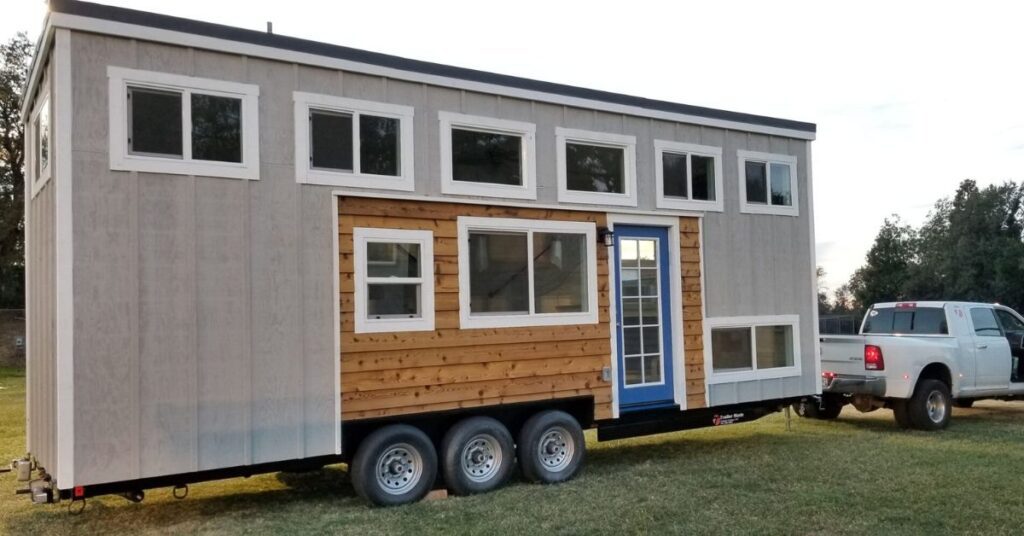
Understanding What Makes a Tiny House Legal
The short answer is this: a fully legal tiny home has to meet both building codes and zoning laws.
Those are two different things. And they get mixed up all the time.
Building codes focus on how the structure is built safely, including electrical, plumbing, insulation, exits, ceiling height, and that kind of stuff.
Zoning, on the other hand, determines where the home can legally sit.
You could build a perfectly engineered, approved tiny house, but if your area isn’t zoned for it, you still might not be allowed to park it there.
Frustrating, yeah. But that’s the reality.
Tiny Home Regulations Are Different Everywhere
Here’s where things get messy.
Tiny home regulations vary wildly depending on the city, county, and state. What works in one town might be illegal two miles down the road.
Take Colorado as an example.
People often ask, “Are tiny homes legal in Colorado?”
The answer is… sometimes.
Some Colorado towns fully support tiny homes and even have tiny house communities. Others still classify them as RVs. And a few places just flat-out don’t allow them.
So before you start building anything, step one is always checking local rules.
It’s not the fun part of the process, but skipping it can cause serious problems later.
Building Codes for Tiny Houses on Wheels
Now, let’s talk about building codes for tiny houses specifically.
Tiny houses on wheels usually fall under one of three categories:
- RV classification
- Accessory Dwelling Unit (ADU)
- Park model home
Each category has different standards.
A lot of builders aim for RV certification because it allows mobility. But if you’re planning to live in the home full-time, many areas push toward ADU rules instead.
That means stricter building codes for tiny homes, similar to traditional housing.
Common requirements include:
- Minimum ceiling heights
- Emergency exit windows
- Proper stair design for lofts
- Insulation standards
- Electrical and plumbing compliance
It’s not just about making the house livable. It’s about making it safe.
The Trailer Is the foundation.
Let’s talk about something people overlook all the time.
The trailer.
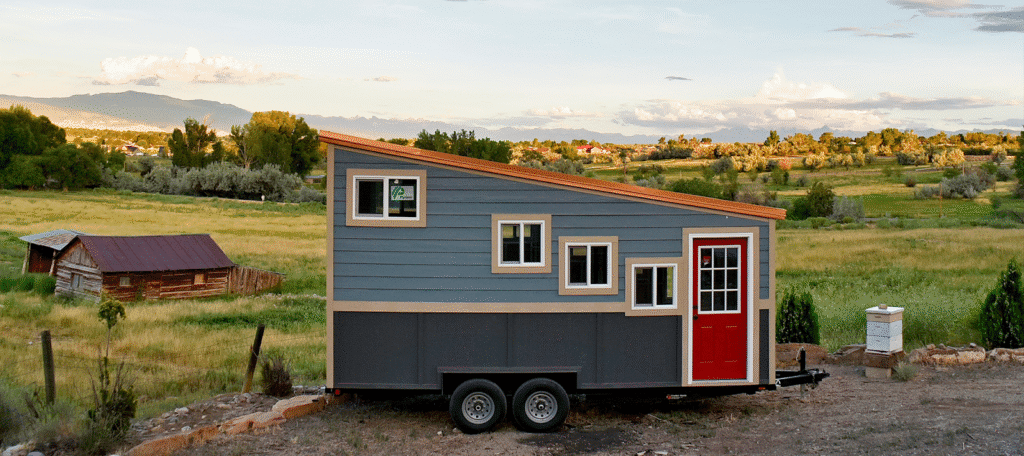
Truth is… the trailer is the foundation of your tiny home. And if that foundation fails, the whole house is at risk.
Cheap trailers are everywhere online. They look similar in photos. But they’re not engineered for the weight and structural demands of a tiny house.
And that’s where people get burned.
A proper tiny home build needs a fully engineered trailer designed specifically for tiny houses. Weight distribution, steel thickness, axle ratings, tie-down points, it all matters.
This is exactly why experienced builders rely on companies like Trailer Made Custom Trailers.
Our trailers are engineered specifically for tiny houses, not generic cargo loads. That difference matters long-term.
Cutting corners on the trailer is one of the biggest mistakes new builders make. It might save money upfront… but it can cause structural problems later.
And fixing a foundation issue under a finished tiny house? Not fun.
Codes for a Legal Tiny House Interior
Once the trailer and frame are solid, the interior must also meet the codes for a legal tiny house.
Here are some of the most common rules that show up across jurisdictions.
Ceiling Height
Most code-compliant tiny homes require the following:
- 6’8” minimum in main living areas
- Lofts can be shorter, but must still allow safe movement
Some areas allow exceptions for tiny homes, but not always.
Emergency Exits
Lofts must have an emergency exit window.
This isn’t optional.
The idea is simple: if there’s a fire blocking the staircase, occupants still have a way out.
Staircases and Ladders
Building codes usually reject standard ladders for primary loft access.
Instead, they require:
- Proper stair treads
- Handrails
- Safe angles
Some tiny house builders get creative with storage stairs that satisfy both space and safety requirements.
Insulation and Energy Codes
Many areas now require tiny homes to meet energy efficiency standards similar to traditional homes.
That means:
- Wall insulation
- Roof insulation
- Proper vapor barriers
- Energy-rated windows
This part often gets overlooked in DIY builds.
But if you want a fully legal tiny home, insulation matters more than people realize.
Zoned Tiny House vs Mobile Tiny House
Another thing people mix up is zoning categories.
A zoned tiny house typically refers to a tiny home that’s allowed within a residential zoning district. Often as an ADU.
These homes are usually placed on foundations.
Tiny houses on wheels sit in a grey area. Some towns treat them like RVs. Others require them to stay in RV parks or tiny home communities.
Again… the rules vary.
The important thing is understanding your local regulations before building.
Why Many Tiny Houses Fail Inspections
A lot of tiny homes online look amazing. Instagram-ready. Beautiful finishes.
But many of them wouldn’t pass inspection.
Here’s why:
- Non-engineered trailers
- Improper wiring
- Unsafe loft access
- No emergency exits
- Structural weight problems
The truth is, aesthetics don’t equal compliance.
A real approved tiny house is built with safety and code requirements in mind from day one.
Planning a Code-Compliant Tiny Home the Right Way
If you’re serious about building a legal tiny home, the process usually looks like this:
- Research local zoning rules
- Understand building codes for tiny homes in your area
- Start with an engineered trailer foundation
- Design with code compliance in mind
- Work with experienced builders when possible
Skipping any of these steps can turn into a problem later.
Tiny houses may be small, but the planning behind them isn’t.
The Truth About Cheap Tiny Home Builds
Let’s address the elephant in the room.
Everyone wants to build a tiny house cheaply.
And yeah… tiny homes can cost less than traditional houses. But the ultra-cheap builds you see online often cut corners.
Usually on the trailer. Or structural materials.
That’s risky.
Your tiny house will carry thousands of pounds of weight framing, appliances, water tanks, furniture, everything.
A properly engineered trailer is designed to handle that load safely over time.
Companies like Trailer Made Custom Trailers specialize in that exact purpose. Our designs are built specifically for tiny houses, not general hauling.
And when you’re building something meant to last decades, that foundation matters more than anything.
Final Thoughts
Tiny homes are an incredible housing option. Lower cost. More freedom. Simpler living.
But building a legal tiny home takes planning.
You need to understand tiny home regulations, follow building codes for tiny houses, and, most importantly, start with the right foundation.
Because the truth is, a tiny house is only as strong as the trailer it sits on.
If you’re serious about building a Code-Compliant Tiny Home that lasts, start with a properly engineered trailer.
Visit Trailer Made Custom Trailers to learn more or start designing the foundation for your tiny house build.
FAQs
Are tiny homes legal in Colorado?
Yes, but it depends on the specific city or county. Some areas allow tiny homes as ADUs or in tiny house communities, while others classify them as RVs or restrict them entirely. Always check local zoning and building codes for tiny homes before starting a build.
What makes a fully legal tiny home?
A fully legal tiny home meets both local zoning laws and structural building codes for tiny houses. This includes proper ceiling heights, emergency exits, insulation standards, and safe electrical and plumbing systems.
Do tiny houses on wheels have building codes?
Yes. Tiny homes on wheels must still follow safety standards and codes for a legal tiny house. Many builders follow RV certification standards or local residential codes, depending on how the home will be used.
What is the most important part of a tiny house build?
The trailer foundation is critical. A tiny house requires a structurally engineered trailer designed for the weight and load distribution of a house, not a standard cargo trailer.
Can a tiny house be considered an ADU?
In many areas, yes. Some jurisdictions classify tiny homes as Accessory Dwelling Units (ADUs) if they meet local tiny home regulations and building standards. These are usually placed on permanent foundations rather than wheels.