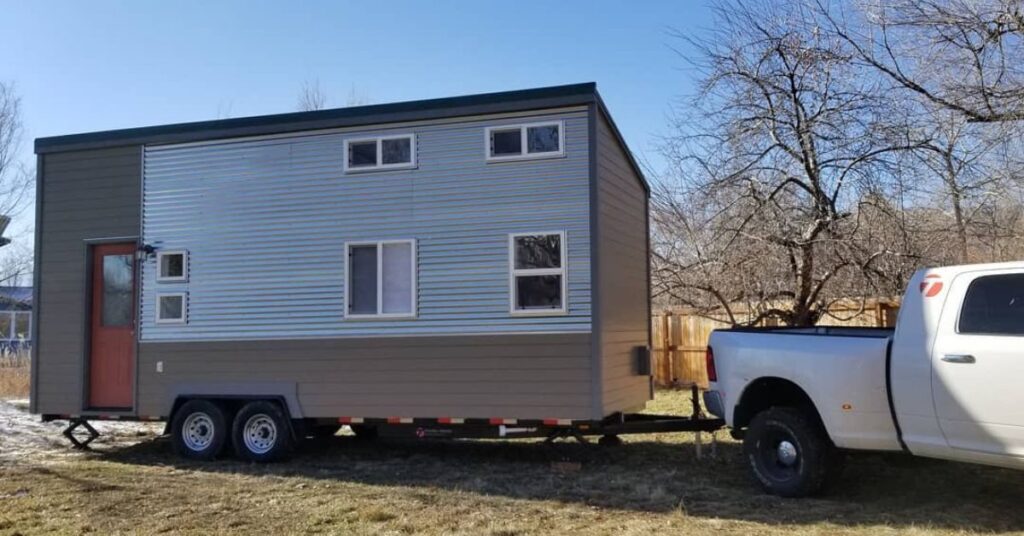
Trailer Made Custom Trailers

Trailer Made Custom Trailer Logo

How Do Zoning Laws Affect Tiny House Regulations on Private Land?

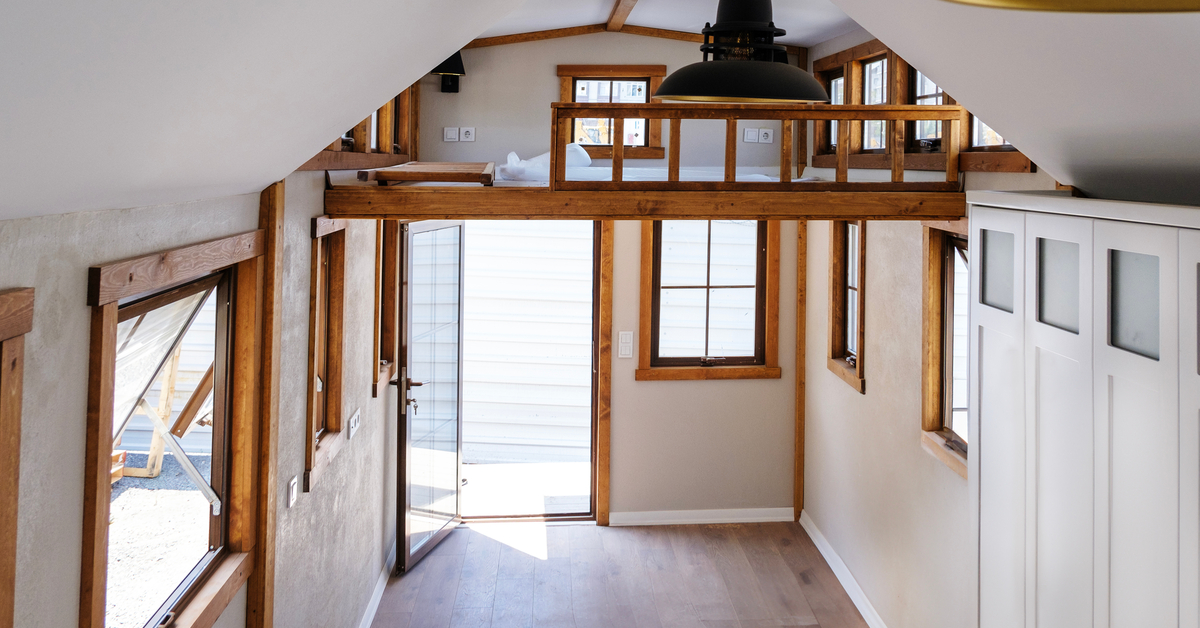
The interior of a tiny home with wood accents. The space is sparse. Black and gold light fixtures are the only furnishings.

Everybody loves the idea of tiny living. The freedom. The lower bills. The whole “I own less stuff, but I have more life” thing. And it’s great. Really.

But the moment you try putting a tiny house on private land, things get messy fast. Because zoning laws, those fun little rules written by people who probably never lived small for a single day, decide whether your dream becomes a weekend Pinterest fantasy or an actual home you can live in full-time.

And if you think zoning is just some small detail you’ll “figure out later,” yeah… no.
Zoning laws affect everything: where your code approved tiny home can sit, how it must be built, what utilities it needs, whether it’s an ADU or a “recreational unit,” and even what kind of trailer it must be engineered on.

Truth is, the trailer under your tiny house matters almost as much as the house itself. Maybe more. Ask any ADU builder who’s been around a while, and they’ll tell you the same. If your foundation, yes, the trailer is your foundation, isn’t it? It isn’t built right, zoning can slam the door shut before you even get to step inside your own front door.

So let’s unpack this whole thing.
Zoning. Codes. Private land rules. Tiny house regulations. How Trailer Made Custom Trailers factor in (spoiler: they matter a lot). And how to avoid spending tens of thousands on a tiny home only to find out you can’t legally live in it.

What Zoning Actually Controls (And Why You Should Care)

I know zoning sounds boring. Like reading the legal fine print on toothpaste. But it’s one of those things you don’t care about until it ruins your whole plan.

Zoning decides:

  • Whether a tiny house counts as a dwelling.
  • If you’re allowed to live in one full-time.
  • Where on your land can it sit?
  • Whether it’s an ADU, a mobile unit, or “not allowed.”
  • Minimum house size requirements (yes, those still exist in many counties).
  • Utility hookup rules (septic, water, power).
  • Setbacks from property lines (some are ridiculous, honestly).

And here’s the kicker:
In many places, a tiny home on wheels isn’t considered a house. It’s considered a vehicle. Or an RV. Which means you can’t legally live in it full-time unless the city gives an exception (rare) or rewrites the code (slow).

So when people ask:

“Can I put a tiny house on my own land?”

The short answer is: Probably. But only if you follow zoning rules and build on an engineered foundation like a code-ready Trailer Made foundation trailer, so the house can actually pass inspection.

Tiny Houses vs. Zoning Codes: They Don’t Always Get Along

A lot of tiny house confusion comes from one thing: zoning codes weren’t written for tiny homes. They were designed decades ago for big, traditional houses on permanent foundations. So tiny houses show up like the weird kid at school; nobody knows which box to put them in.

Some counties see a tiny house as:

  • a dwelling
  • an accessory dwelling unit (ADU)
  • a mobile home
  • an RV
  • a trailer
  • or sometimes… nothing at all

And “nothing at all” is the worst category, because it means the local government hasn’t decided what you are yet. So they default to no.

But here’s where the trailer comes in.
If your tiny home is built on an engineered, weight-rated, code-compliant trailer like a Trailer Made tiny house foundation, inspectors are usually way more open to approving your structure. Because they can see that the base is safe, legal, engineered, and built for long-term housing loads… not for hauling hay or landscaping tools.

Big difference.

Why a Code Approved Tiny Home Starts With the Trailer

A lot of folks think the term “code approved tiny home” just means:

“Oh, it looks nice and sturdy.”

Nope. Not how it works.

A code approved tiny home means the entire structure, including the foundation (your trailer), must meet building standards. Your local authority, city, county, or whoever needs documentation showing the trailer was engineered for residential use.

Trailer Made Custom Trailers specializes in exactly this. They’re not repurposing flatbeds. They’re building housing foundations. There’s a reason serious builders use them.

And here’s the truth that some tiny house forums don’t want to say out loud:
If you’re trying to get zoning approval on a cheap farm trailer, your chances drop from slim to basically zero.

Cities want:

  • engineering stamps
  • weight ratings
  • structural integrity
  • real documentation

Not a “yeah, it should hold it” shrug from somebody on Facebook Marketplace.

If zoning officials see you’re using a purpose-built tiny house foundation trailer, something designed for long-term load, proper anchoring, and balanced axles, they treat your build as a real home project. Not a toy project.

So yes… the trailer matters. A lot.

Zoning and Private Land: What You Can (and Can’t) Do

Let’s break down private-land rules in a way normal humans actually talk.

1. Full-Time Living Rules

Most counties used to ban full-time tiny living outright. Things are changing, but some places still only allow:

  • seasonal use
  • temporary use
  • caregiver use
  • ADU use
  • “backyard studio” or “guest house” with restrictions

If you want to live there full-time, zoning must allow it, and your home must be built on something code inspectors actually respect. Again… engineered trailer.

2. Minimum Square Footage

This is the annoying one.
Some counties still require houses to be at least 600–1,000 sq. ft., which is nuts. But you can sometimes bypass that rule if:

  • Your tiny home is considered an ADU
  • Your house is built to IRC Appendix Q standards
  • You work with an ADU builder who knows the local code
  • Your trailer foundation is engineered for permanent housing

If your area uses Appendix Q (the tiny house building code), life gets easier. But not every city has adopted it.

3. ADU Laws

This is where things get interesting.

ADUs (Accessory Dwelling Units) are exploding in popularity. And many cities loosen ADU rules faster than they loosen tiny house rules. So framing your tiny house as an ADU can unlock:

  • utility hookups
  • legal long-term living
  • rental options
  • Property value increases

You’ll still need a proper foundation or foundation-rated trailer. Guess who builds those all day? Trailer Made.

4. Utility Hookups

A city might allow tiny homes, but then say:

“Sure, but you need full water, sewer, and electrical hookups.”

Okay. No problem. But… your tiny house needs to be designed for that. And zoning will require that your foundation trailer allow for safe attachment to these utilities.

5. Setback Rules

You can’t usually slam a tiny house 2 feet from your fence line. Setbacks vary 5 feet, 10 feet, sometimes more.

Your land might be big enough… or it might not.

So… Can You Put a Tiny House on Private Land?

Yes. You can. Lots of people do.
But only when they understand the zoning first and build their tiny home on a foundation that passes inspection.

Cutting corners on the trailer, the base almost always backfires. Sometimes instantly. Sometimes, years later, when you try to get utilities approved.

A foundation trailer is not the place to save money.
Let’s be real: cheap trailers flex, warp, rust, and fail load tests. They’re built for lawn equipment, not for homes. And when your house starts shifting, inspectors don’t care who “sold you a deal.” They’ll just say: remove it.

Trailer Made trailers avoid all that nonsense because they’re engineered, certified, stamped, and purpose-built. This is why the best ADU builders use them. They make zoning approvals smoother. They make inspections smoother. And you build your investment to last decades, not just long enough for Instagram photos.

How Tiny House Regulations Are Evolving (Slowly, but in the Right Direction)

The good news? Laws are changing. Almost everywhere.

People are fed up with overpriced housing. Cities want more flexible living options. And tiny homes, especially code-approved tiny homes, are becoming widely accepted as legitimate, safe, smart housing.

You’ll see more:

  • updated zoning ordinances
  • Appendix Q adoption
  • ADU expansions
  • rural counties embracing tiny homes
  • urban areas, allowing backyard tiny home rentals
  • banks offering financing for tiny homes (this is huge)

But tiny homes that get approved aren’t the cheap DIY builds sitting on bargain trailers. The future favors engineered, structurally verified, properly built tiny houses, meaning the ones built on a Trailer Made foundation or something equivalent (and honestly… not much else is equivalent).

Why Trailer Made Helps You Win the Zoning Battle

Here’s where Trailer Made quietly becomes the hero of this whole messy story.

A city might not understand tiny houses at first, but they do understand:

  • engineering certifications
  • load calculations
  • stamped plans
  • real-world structural data

Trailer Made Custom Trailers provide that clarity. Their frames are designed for tiny homes. For housing. For permanence. That checks the boxes zoning departments actually care about.

And when inspectors see a legit foundation under your home?
They stop treating your tiny house like a novelty and start treating it like real property.

That’s the difference.
That’s the advantage.

FAQs

1. Can I legally put a tiny house on my private land?

Usually, yes, but it depends on your zoning district and whether your structure is considered a code-approved tiny home. If your home is built on an engineered trailer (like a Trailer Made foundation), your odds of approval go way up.

2. Do I need a specific trailer to pass tiny house regulations?

If you want to pass inspections, yes. A standard utility trailer won’t cut it. You need a purpose-built, structural, engineered foundation trailer. Trailer Made is considered the industry standard here.

3. Are tiny houses allowed as ADUs?

In many cities, absolutely. ADU laws are expanding fast. Just make sure your tiny home meets local utility, placement, and construction requirements. A proper foundation trailer usually helps the approval process.

4. What happens if my county has minimum square footage rules?

You may still qualify under ADU codes or Appendix Q if your area adopted it. If not, zoning variances exist, but they’re easier to win when your tiny home is built to real housing standards, not RV standards.

5. How do I make sure my tiny house is “code approved”?

Start with the foundation. Use an engineered tiny house trailer with documentation. Then build to Appendix Q or local residential codes. Trailer Made gives you the structural base inspectors actually want to see.

Ready to Build Smart Instead of Fighting Zoning the Hard Way?

If you want a tiny home that passes zoning, lasts decades, and actually feels like a real house, not a weekend trailer, start with the right foundation.

Visit Trailer Made Trailers to start your build.

We build the trailers that make tiny homes legal, safe, and rock-solid for the long haul.

How Eco-Friendly Is a Tiny House Compared to Traditional Homes?

Tiny houses have recently been dominating the interest of homeowners, environmentalists, and free spirits. These mini-homes are wheel-based or non-portable housing organizations that provide a radical step into breaking the supersized, resource-intensive homes that monopolize the housing sector. However, the most important question in most people’s minds is this: How much more environmentally friendly is a tiny house as compared to an ordinary house? This in-depth guide will take a good look at the environmental, regulatory, and lifestyle realities of tiny houses and, together with you, will empower you to make the right choices and, more importantly, show how Trail Made Trailers can bring you a step closer to making your tiny house dream come true.

tiny house

What is the Tiny House Lifestyle?

First things first, we should make a few things perfectly clear: there is such a term as tiny houses in our conversation, meaning residential buildings that are part of no other construction and normally take anywhere between 100 and 400 square feet. They are not backyard sheds; they are not so-called accessory dwelling units (ADUs); these are normal homes, frequently placed on trailers to make them mobile. The fascination with tiny houses is outstripping living, monetary liberation, and a less negative effect on the environment, all hinged on a philosophy of living more by consuming less.

Environmental Advantages of Tiny Houses

Reduced Carbon Footprint

The amount of building materials needed to build tiny houses, such as wood, steel, wiring, and plumbing, is minimal compared to larger traditional houses of 2,000 to 3,000 square feet. Fewer materials mean less carbon capture by manufacturing, transporting, or building.

Reduced Power Usage

Various potential customers will notice that their house has a diminished volume, thus less space to consume heat and cool down. As some of the owners of the tiny houses claim, they pay a few tenths of the monthly energy bill compared to people living in bigger houses. When energy-efficient appliances, LED lights, and contemporary insulation are used, tiny houses are likely to use a fraction of the amount of energy that regular houses use.

Renewable Energy Integrations Opportunity

Even solar panels, composting toilets, rainwater collection, and mini solar hot water heating are much less costly in the context of a tiny house than in a sprawling 3,000-square-foot house. This not only leads to off-grid living being a viable option but also, in certain cases, to it actually being easy to do.

Waste Reduction

The owners of tiny houses are likely to embrace minimalistic ideologies and consequently start producing less waste. The reduction in the size of living spaces promotes reduced expenditure on impulse buying, reduced clothes, and simplified lifestyles in general.

Green Building Materials

When created deliberately with an awareness of their impact on the environment, tiny homes can also include the use of reclaimed wood, the use of natural insulation (sheep wool, recycled denim material), low VOC paint, and non-toxic sealants, and are even more eco-friendly.

Environmental Trade‑Offs & Limitations

While tiny houses offer major environmental advantages, they aren’t perfect from an eco standpoint. Here are a few factors to consider:

Trailer Production

Mobile tiny homes have to be based on chassis and trailer production made of steel, which also has a carbon footprint. Nevertheless, this effect is not much when it is amortized over a home’s lifespan.

Longevity Lifecycle

A tiny house that is constructed using the best materials and well taken care of can remain for up to decades. Nevertheless, cheaper constructions might need softer repairs or reconstruction, which cancels out part of the initial environmental advantages.

Grid Reliance or Off-Grid

There are not only off-grid tiny houses. Individuals who are not disconnected from utilities continue heavy consumption of energy, albeit with a reduction in high proportions. Ideally, to get the greatest eco-benefit, tiny houses can be combined with solar arrays, wind turbines, or other renewables.

tiny house

Transportation & Location

In tiny houses towed with the help of a vehicle, the repetitive long journeys can create emissions. In the meantime, the location of a tiny house in an area that is distant from amenities can promote the use of vehicles. This can be handled by strategic selections of places.

Building Tiny House Regulations

Before you start building or buying tiny houses, it is important to understand the regulations. With this, do understand:

Zoning Codes and Space Requirements

Zoning regulations in many cities limit the size of living space below a specified number of square feet (usually 400–600 sq ft). Houses smaller than those limits are possibly illegal without special permits or zoning waivers.

Trailer Categories & RV Laws

Very tiny houses on trailers might be described as recreational vehicles (RVs). RVs have specific rules relative to piping, electrical systems, the weight of the load, and vehicle safety certifications. Log on to your state motor vehicle department to learn about RV registration.

Foundation vs. Mobile Tiny House Rules

  • Fixed Tiny Houses (on foundations): Treated like conventional dwellings, they must comply with local building codes, foundation requirements, setbacks, and inspections.
  • Mobile Tiny Houses: Must meet federal RV standards under ANSI A119.5 or NFPA codes if classified as RVs. Plumbing and electrical systems may have to adhere to RV-grade specifications.

Utility Hookups & Services

To tie into water, sewer, and electric, you need permits. Some rural/ag regions may have a stronger case to make with off-grid (septic waste, rainwater catch, PV, etc.), although these might have their own approval process as well.

Tiny House Tourism

Have a tiny house on Airbnb? Other jurisdictions limit short‑term rentals using zoning and licensing. Check the local STR policy in the event that you intend to rent it out.

Land-Lease Communities & THO Tiny House Villages

Other people are more organized and have small communities whose sole purpose is building tiny houses, and everyone has a lease on a piece of land. They tend to slacken the rules of zoning and deliver shared services, although be alert: HOA regulations and community norms are still governing the show.

Comparing Eco‑Friendliness in Numbers

FeatureTraditional Home (2,500 ft²)Tiny House (300 ft²)
Building Materials~162 million BTUs of embodied energy~19 million BTUs (88% reduction)
Energy Use (heating/cooling)~12,000 kWh/year~2,400 kWh/year
Water Usage~60 gallons/person/day~20 gallons/person/day
Waste GenerationHigh (consumer culture)Low (minimalist lifestyle)

These are not absolute numbers, and the results can differ, but they demonstrate how much better the environment is when you make it small.

Tips and Tricks to Get the Best of It Eco-Wise

  • Green insulation, such as recycled denim or sheep wool, should be used.
  • Install battery storage and solar panels that provide energy independence.
  • Collect stormwater in cisterns and put in place a composting or gray-water system.
  • Select the energy-conserving lighting (LED) and appliances.
  • Use long-lasting paints and sealants that are VOC-free.
  • Enter multi-purpose furniture so as to prevent new buying.
  • Mindful consumption considers a decluttered lifestyle.

Trailer Made: the Partner you can Trust

At Trailer Made Trailers, we focus on constructing long-lasting and sustainable tiny houses that are based on superior steel trailer chassis. Our contact is with the custom CNC factories that apply sustainable building processes and materials. We can design our houses in accordance with ANSI and NFPA codes of safety; it will be easier to permit them because there is no reason to make assumptions.

With Trailer Made Trailers, you’ll benefit from:

  • Customized engineering built to your specs (solar, insulation, layout)
  • Compliance support to navigate tiny house regulations in your area
  • Resource-efficient designs that reduce upfront costs and long-term impact

When you’re ready to explore tiny house living, we invite you to discover our sleek, smart, eco-friendly options at Trailer Made. 

Our team is here to guide you—answering questions, meeting code, and supporting your journey to sustainable homeownership.

tiny house

Tiny House vs Traditional Home: At a Glance

CriteriaTiny HouseTraditional Home
Initial Cost$30,000–$100,000$250,000+
Permitting ComplexityVaries but manageable with guidanceComplex but well‑defined
Monthly Utilities$30–$100/month$200–$400/month
Carbon Footprint60–90% lowerHigh
Mobility & FlexibilityHighLow
Lifestyle AdaptationRequires a downsizing mindsetStandard consumer culture

With the right planning and resources, tiny houses present a compelling, eco‑friendly, and affordable alternative to traditional homes.

Conclusion

Tiny houses represent more than a building type—they embody a shift toward sustainable, affordable, and intentional living. As you delve into your journey, envision quality over quantity, resource mindfulness, and purposeful design. With Trailer Made Trailers by your side, you gain access to eco‑savvy craftsmanship, code compliance support, and a roadmap to effortless tiny house living.

Ready to take the next step toward an eco-friendly, minimalist haven? Visit https://trailermadetrailers.com/ to explore models, designs, and eco-add-ons customized to your vision.

Embark on your tiny house lifestyle today—and live smarter, simpler, and cleaner.

FAQs

1. Do tiny houses actually use fewer resources than conventional houses?

There is no doubt about it, yes, tiny houses consume much less material and require much less energy. With green construction materials combined with solar and composting systems and LED technology, they can achieve a 60-90 percent reduction in carbon footprints as compared to conventional homes.

2. Which are the key tiny house laws that I need to learn?

The important codes are zoning minimum square footage, building codes, recreational vehicle status in the case of being on wheels, utility hookups, and permits. Laws are considerably different, so contact local planning, building and motor-vehicle departments.

3. Is it possible to have a tiny house on wheels with utilities connected?

Absolutely. Most owners of tiny houses on trailers connect to the city water supply, sewer, and power wherever the regulations permit. Others choose an off-grid system, such as solar panels and compost toilets (depending on land and permits).

4. How can I locate communities or sites that allow tiny houses?

Flexibility in land use varies with regions. Other places permit tiny houses in rural locations or DRU neighborhoods. It is also possible to become a member of the tiny house communities or eco-villages or locate landowners who will provide you with space, but all zoning and utility requirements must be satisfied.

5. Are tiny houses equivalent in value to conventional homes?

Despite the relative newness of resale markets of tiny houses, well-constructed, transportable tiny houses do retain value, particularly those mounted on good trailers and designed to meet codes. Mobility is also valuable because it enhances the flexibility of use cases.