

If you’re researching trailer construction, you’re already ahead of most people.
But here’s where almost everyone gets it wrong:
They focus on the outside.
The look. The price. The finish.
Not the materials.
And that’s the mistake.
Because when it comes to trailers—especially for tiny homes, ADUs, or heavy-duty hauling—the materials are what determine whether your investment lasts… or fails.
Let’s break down what actually goes into a properly built trailer—and why Trailer Made does it differently.
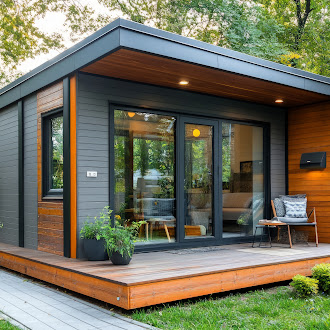
The Truth About Trailer Construction
Most people think trailer construction is simple:
Steel + wheels + done.
It’s not.
A properly built trailer has to balance:
- Structural strength
- Weight distribution
- Corrosion resistance
- Long-term durability
Miss one of those?
You won’t notice immediately.
But you will—eventually.
Steel: The Backbone of a Real Trailer
Let’s start with the foundation.
Steel is the core of any serious trailer build—but not all steel is created equal.
Why Steel Quality Matters
High-quality steel:
In proper trailer construction, you should be getting structural-grade steel, not recycled or inconsistent materials.
- Maintains shape under heavy loads
- Resists fatigue over time
- Handles dynamic stress during transport
Low-quality steel?
- Flexes under load
- Develops stress fractures
- Fails prematurely
And if you’re building a tiny home or ADU, that failure isn’t just inconvenient—it’s catastrophic.
Engineering: Where Most Trailers Fail
Here’s the part most companies don’t want to talk about.
It’s not just the material—it’s how it’s engineered.
A properly engineered trailer:
- Distributes weight evenly across axles
- Handles dynamic movement (not just parked loads)
- Eliminates long-term stress points
This is where the difference shows between:
- A true manufacturer
- And a shop just welding steel together
Engineering is what makes a trailer last 10+ years instead of 2–3.
Aluminum: Useful, But Not a Replacement
Aluminum gets a lot of attention—and for good reason.
It’s:
- Lightweight
- Corrosion-resistant
- Efficient for smaller builds
But here’s the honest truth:
Aluminum is not a universal upgrade.
It works well for:
- Light-duty trailers
- Smaller utility builds
But for:
- Tiny homes
- ADUs
- Heavy structural loads
👉 Steel still wins.
If someone tells you aluminum is always better, they’re selling—not engineering.
Pressure-Treated Wood (Still a Standard)
Wood decking is still widely used—and for good reason.
It’s:
- Durable when treated properly
- Cost-effective
- Easy to replace
But cheap wood?
- Absorbs moisture
- Warps
- Breaks down quickly
Quality matters here just as much as anywhere else.
Composite Materials (Modern Upgrade)
Composite decking is becoming more common in premium builds.
It offers:
- Better resistance to rot and moisture
- Longer lifespan than wood
- Reduced maintenance
But it comes at a higher cost.
For the right build, it’s worth it.
Welding, Fasteners, and Hardware (The Hidden Failure Points)
This is where a lot of trailers quietly fail.
Not because of the steel.
Not because of the design.
Because of:
- Poor weld penetration
- Weak joints
- Low-quality fasteners
What to Look For
- Clean, deep welds (not surface welds)
- Reinforced stress points
- Corrosion-resistant hardware
Bad welds are one of the #1 causes of trailer failure.
And you won’t see it until it’s too late.
Axles, Suspension, and Undercarriage
This is where performance lives.
A properly built trailer includes:
- Correctly rated axles (not undersized)
- Reliable braking systems
- Durable suspension setups
Cheap setups lead to:
- Uneven tire wear
- Poor handling
- Reduced stability
If you’re hauling weight—or moving your build—this matters more than anything.
Protective Coatings: The Long-Term Difference
Even the best materials fail without protection.
That’s why coatings matter.
Common High-Quality Options:
- Powder coating
- Galvanization
- Industrial-grade paint systems
These prevent:
- Rust
- Corrosion
- Environmental wear
A trailer without proper coating might look fine at delivery.
Give it a year or two.
Interior Materials (For Enclosed Trailers & ADUs)
If you’re building:
- An enclosed trailer
- A mobile office
- A tiny home or ADU
Interior materials matter too.
You’ll typically see:
- Insulated wall systems
- Composite or plywood panels
- Steel or aluminum framing
For these builds, durability and insulation performance are just as important as weight.
Why Engineered Trailers Matter (This Is the Big One)
Let’s be clear:
Anyone can build a trailer.
Very few can engineer one properly.
That means:
- Load calculations
- Structural design
- Real-world stress testing
That’s the difference between:
- A trailer that lasts a few years
- And one that holds up long-term
Yes—it costs more upfront.
But replacing a failed trailer costs a lot more.
The Real Cost of Cutting Corners
Cheap trailers are everywhere.
They look good.
They’re priced right.
They sell fast.
Until:
- The frame flexes
- Rust shows up early
- Welds start cracking
Then you’re repairing—or replacing.
And that’s where the real cost hits.
Why Trailer Made Custom Trailers Is Built Differently
At Trailer Made, we don’t build trailers for appearance—we build them for performance.
That means:
- Engineered steel frames
- Purpose-built designs for tiny homes and ADUs
- High-quality fabrication standards
- No shortcuts on structural components
We’ve built thousands of units, and we’ve seen what fails.
So we don’t build that way.
Ready to Build a Trailer That Actually Lasts?
If you’re serious about:
- Tiny homes
- ADUs
- Custom trailer builds
Start with the part that matters most—the foundation.
👉 Visit Trailer Made Custom Trailers to get a quote
👉 Watch our factory tour to see how these are actually built
Don’t overcomplicate it.
Just don’t cut corners on the one thing everything depends on.