
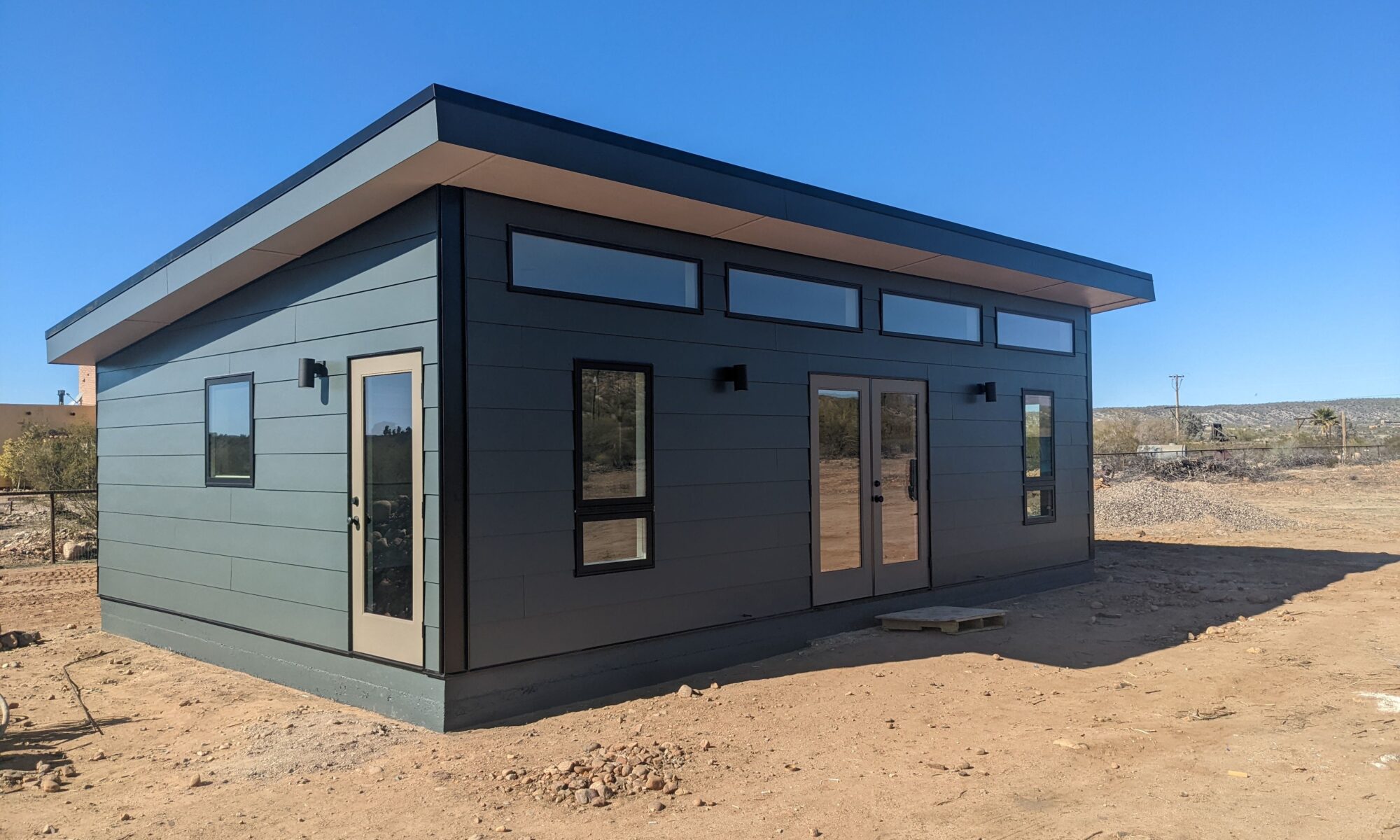
If you’ve ever tried to build a backyard home, a legal tiny house, or any sort of small dwelling that actually passes code… You already know the truth: the rules aren’t simple. Not even close. And most folks only find this out after they’ve bought a cheap trailer, or after they’ve framed half the structure, or worse, right when the inspector shows up with that face. The one that says, “Yeah… this isn’t going to fly.”
And that’s exactly where a real ADU builder steps in.
A good one doesn’t just “build the box.” They make the whole thing legal, safe, engineered, and built in a way that actually lasts. And if you’re planning to build on wheels, your foundation, the trailer, is either going to save you or sink you. No middle ground.
One of the few companies that actually gets this right is Trailer Made Trailers, because they build engineered foundations specifically for legal tiny house and ADU builds. Not farm-store utility trailers. Not retrofitted car haulers. The real deal engineered, tested, overbuilt foundations that inspectors actually respect.
So let’s break this down.
Let’s talk about what an ADU builder really does to make homes legal and safe… and why it matters way more than folks think.

Why Most DIY ADU Builds Run Into Trouble
People assume the “hard part” is plumbing or electrical. Nope. The pain usually starts way before that at the foundation.
A ton of ADU or legal tiny house projects are built on trailers that were never engineered for housing loads. They were designed to haul ATVs or tractors, not hold a literal house for decades. A house loads weight differently. Think dead loads, live loads, shear, uplift, point loads from framing… stuff most people only hear about after something goes wrong.
And let’s be real: inspectors don’t play around. If your foundation isn’t engineered and the paperwork isn’t lined up right, you’re stopped before you even start framing.
That’s why using the right foundation isn’t a “nice to have.” It’s the whole thing. The whole thing.
How a Professional ADU Builder Keeps Your Home Legal
Legal tiny homes and fully permitted ADUs aren’t created by accident. They become legal because someone with experience makes sure you’re following the rules while still building something livable and strong.
Here’s what a real ADU builder actually does:
1. They design around building codes from day one
Good builders don’t wait for inspectors to tell them what’s wrong. They design the structure walls, ceiling, load paths, bracing, everything based on IRC, ANSI, local zoning, and whatever other alphabet-soup codes your county requires.
Every area’s different. And an experienced ADU builder already knows:
- required ceiling heights
- R-value minimums
- egress window requirements
- axle spacing and capacity limits for movable units
- zoning rules for placement
- ADU size caps
- setbacks
- and the list goes on…
Trying to learn all of that yourself is like studying for a test where the questions change every week.
2. They make sure the dwelling has a real engineered foundation
Let’s be blunt. A house (even a small one) needs something stronger than a farm-store trailer with paint still wet on the welds.
This is where companies like Trailer Made stand out. They build engineered, purpose-built foundations for ADUs and legal tiny house builds. These trailers are designed to pass code review, provide proper load distribution, and hold a structure for 30–50 years, not five.
An ADU builder relies on this because everything sits on top of it.
3. They handle permitting and documentation
This part scares people, but it doesn’t have to.
A builder can help gather:
- engineered drawings
- load calculations
- foundation specs
- utility diagrams
- elevation drawings
- site plans
- stamp requirements
- fire safety layouts
Most DIY folks get stuck here because the county will ask for things they’ve never heard of. A builder’s job is to make sure you never run into that wall.
4. They install utilities up to code (and safely)
Electrical and plumbing mistakes in a small space aren’t small problems.
In a compact ADU, one mistake becomes a whole-house issue.
A builder ensures:
- proper GFCI/AFCI protection
- correct venting
- fire-blocking
- pressure testing
- safe propane routing
- moisture management (the silent killer of tiny homes)
- water heater clearance
- HVAC sizing (big problem in tiny spaces)
A legal tiny house isn’t legal unless these systems pass inspection.
5. They prevent shortcuts that ruin the home later
Truth is, many tiny homes look cute for photos but fail in the real world. Walls bow, floors bounce, doors shift, screws back out, and moisture creeps in everywhere.
A real ADU builder prevents all that with:
- better fasteners
- correct sheathing
- proper tie-downs
- real flashing
- correct insulation installs
- vapor barriers that actually make sense
- engineered framing patterns
Good builders care about what can’t be seen more than what can.
The Importance of Engineered Trailers
If you’re building an ADU on wheels, here’s the truth:
Your trailer is your foundation. If it’s wrong, nothing else matters.
Engineered trailers do three things most people never think about:
1. They distribute loads like a residential foundation
Not like a cargo hauler. Not like a toy hauler. Like an actual home foundation. That means:
- thicker steel
- custom crossmembers
- reinforced flange beams
- engineered weight distribution
- appropriate axle placement
- proper load ratings
A cheap trailer ALWAYS fails here.
2. They improve tow safety
Most trailer failures don’t happen during building. They happen during towing axle failures, structural cracks, tongue bending, frame flexing, etc.
Engineered foundations are built to avoid that.
3. They make passing inspection possible
Inspectors want documentation. They want load ratings. They want engineering.
They don’t want “I bought it off Craigslist.”
This is why builders who know what they’re doing choose engineered foundations over bargain-bin steel every single time.
What Happens When People Cut Corners
I’ve seen:
- homes sag in the middle
- roofs separate during towing
- frames twist
- steps delaminate
- doors not closing
- legal issues that stall entire projects
- insurance refusing coverage
- buyers walking away because the home isn’t code-compliant
All of these problems start from one thing: someone tried to save money where they shouldn’t have.
An ADU is a real home. Whether it’s small, on wheels, or in the backyard, it’s still a home. Treat it like one from day one, and the whole project goes smoother, costs less long-term, and stays safe.
How an ADU Builder Protects Your Long-Term Value
Legal tiny houses and ADUs aren’t just about living, they’re investments.
A well-built ADU:
- appraises higher
- rents for more
- lasts decades longer
- stays insurable
- holds resale value
- stays safe for the long haul
A builder ensures the home is built to residential standards not “camper standards,” and definitely not “hope for the best” standards.
When paired with an engineered foundation (like from Trailer Made), the result is something rock-solid, something inspectors appreciate, and something that won’t rot, twist, or fall apart on you five years down the road.
A Legal ADU Starts With the Right Builder and the Right Foundation
You can do a lot yourself. Plenty of people do. But the foundation is not optional. Engineering not optional. Permitting is not optional. The stuff that makes the home legal and safe? That’s exactly what an ADU builder handles, so you don’t have to fight the system alone.
Truth is, if you want a legal tiny house or an ADU that passes inspection without drama, you start with an engineered trailer and a builder who knows the rules inside and out.
Ready to Build a Legal, Safe ADU?
If you want a real foundation for your tiny house or ADU, and you want to start the project on the right foot, start with the right trailer.
The right engineering.
The right support.
Visit Trailer Made Trailers to start your build.
FAQs
1. What does an ADU builder actually do to make a legal tiny house safe?
An ADU builder makes sure your legal tiny house meets code from the first sketch to the final inspection. They check zoning rules, design around IRC requirements, handle permitting, and make sure the structure sits on an engineered foundation. They also install utilities safely and avoid shortcuts that make homes fail inspection later. The foundation, especially if it’s on wheels, is usually the biggest factor.
2. Do I really need an engineered trailer for a tiny house or ADU?
Short answer: yes. A house’s weight is different from that of a cargo hauler. Engineered trailers prevent frame twist, axle overload, towing failures, and moisture issues from improper flex. Inspectors also prefer engineered documentation because it proves the home is built on a real foundation, not a utility trailer that wasn’t designed for long-term housing.
3. Can I DIY an ADU without a builder?
You can, technically. But most DIY builders hit legal walls with permitting, structural engineering, or utilities. An ADU builder knows the building codes and catches problems early. And if you’re planning to build on wheels, you still need an engineered foundation, or the project may never be approved, builder or not.
4. How do ADU builders help with inspections?
They prep the paperwork inspectors want: structural drawings, load paths, foundation specs, utility layouts, and engineering documents. Builders also design the home to pass code the first time, so inspectors aren’t flagging issues halfway through the project. It saves time, money, and stress.
5. Why do legal tiny houses fail inspection so often?
Because people start with the wrong foundation or follow RV-style building methods. Homes need correct sheathing, proper tie-downs, correct egress windows, fire-blocking, and safe utilities. A good ADU builder understands residential construction, not RV construction, and builds to codes that inspectors recognize.