
Trailer Made Custom Trailers

Trailer Made Custom Trailer Logo

What to Ask Before Choosing Trailer Manufacturers in Colorado (If You’re Building a Tiny Home or ADU)

trailer manufacturers in Colorado

If you’re serious about building a tiny home, ADU, or backyard living space, there’s one thing you need to understand upfront:

Your build is only as good as the trailer under it.

Not the siding.
Not the windows.
Not the Pinterest board you’ve been saving for six months.

The foundation—your trailer—is what determines whether your project succeeds… or becomes an expensive mistake.

And here’s the reality:

Most people don’t realize this until it’s too late.

So before you start comparing trailer manufacturers in Colorado or anywhere in the U.S., you need to ask the right questions.

Because the wrong choice doesn’t just cost money—it can cost you the entire build.
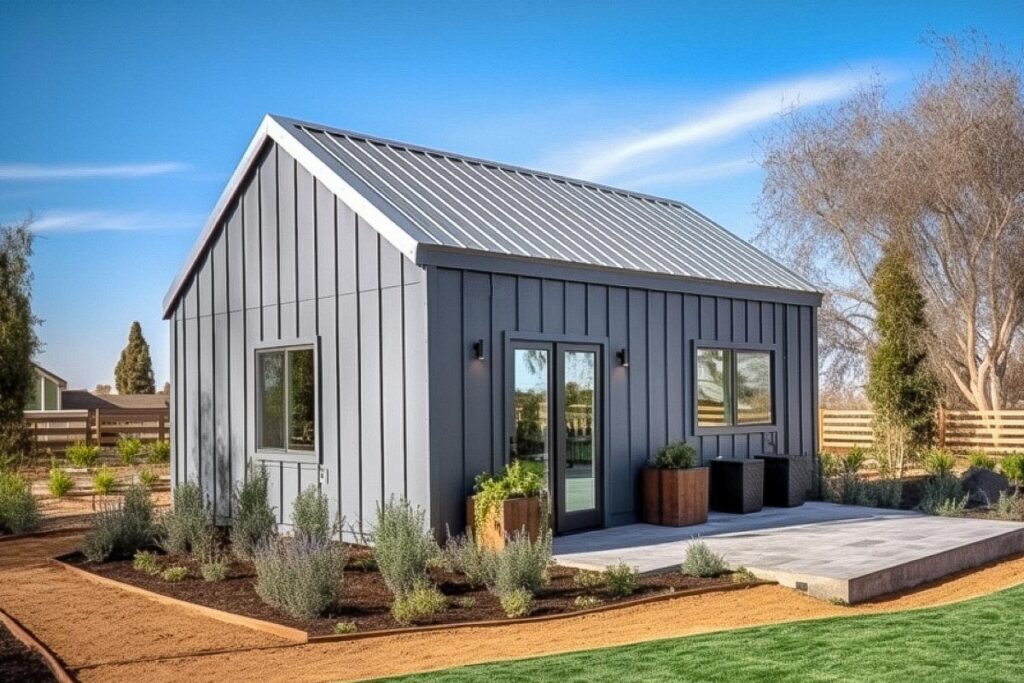
trailer manufacturers in Colorado

Why Trailer Manufacturers Matter More Than You Think

There’s a massive difference between:

  • A true engineered trailer manufacturer
  • And a local welding shop with a website

Both will tell you they can build your trailer.

Only one is building something your home can safely live on for decades.

Your trailer controls:

  • Weight distribution
  • Road safety
  • Structural integrity
  • Long-term durability

If that foundation fails, nothing above it matters.

Question #1: Is the Trailer Actually Engineered?

This is the most important question you can ask.

Anyone can weld steel together.

That does NOT mean it’s engineered.

A legitimate manufacturer should provide:

  • Engineered plans (P.E. stamped if needed)
  • Load calculations
  • Axle placement design
  • Structural support strategy for your home

If they can’t clearly explain how their trailer handles:

  • wall loads
  • roof loads
  • appliance weight
  • dynamic forces during transport

👉 Walk away.

Because once your house is built, fixing a bad trailer is nearly impossible.

Question #2: What Materials Are You Using?

This is where cheap builds start to show.

Ask:

  • What grade of steel are you using?
  • What thickness?
  • What corrosion protection is applied?

In Colorado especially, you’re dealing with:

  • snow loads
  • freeze/thaw cycles
  • moisture exposure

Low-quality steel = long-term failure.

A real manufacturer will answer this in detail.

If the answer is vague? That’s a red flag.

Question #3: Do You Specialize in Tiny Homes and ADUs?

Here’s something most people miss:

Not all trailer companies understand houses.
And not all home builders understand trailers.

You need both.

A proper tiny home or ADU trailer must account for:

  • Plumbing runs through the frame
  • Insulation thickness (especially spray foam systems)
  • Wall load points
  • Electrical routing
  • Appliance weight shifts

A generic flatbed trailer is NOT designed for this.

That’s where builds start to fail.

Question #4: Can You Show Real Builds (Not Just Finished Homes)?

Anyone can show pretty photos of finished tiny homes.

That’s not what you want to see.

Ask for:

  • Bare trailer builds
  • Frame structure
  • Undercarriage details
  • Weld quality

That’s where the truth is.

If they’ve built thousands of units, they should have:

  • real customer builds
  • real-world applications
  • long-term performance examples

Question #5: What’s the REAL Lead Time?

Let’s be honest—lead times get stretched all the time.

So don’t just ask:
👉 “How long does it take?”

Ask:

  • What delays have you experienced before?
  • What’s the worst-case timeline?
  • What impacts production time?

A professional manufacturer will give you a realistic window.

“Fast and easy” usually means corners are being cut somewhere.

Question #6: What Axles and Suspension Are You Using?

This is where safety lives.

A properly built trailer will include:

  • Correctly rated axles (not “close enough”)
  • Reliable braking systems
  • Proper suspension design (leaf vs torsion, based on use)

If you plan to move your home even once, this matters.

A lot.

If the answer is:
👉 “It’ll handle it”

That’s not an answer.

Question #7: Is This Built for Long-Term Use or Just Delivery?

There are two types of trailers:

  1. Delivery-only trailers
  2. Long-term, road-ready foundations

You want the second one.

Even if you never plan to move your home.

Because life changes.

And a weak foundation limits your options.

Question #8: Can the Trailer Be Customized for My Build?

Your home is custom.

Your trailer should be too.

A serious manufacturer will adjust:

  • Length
  • Width
  • Axle placement
  • Hitch configuration
  • Structural reinforcements

If you’re being pushed into “standard sizes only,” you’re not getting a true solution.

Question #9: What Happens If Something Goes Wrong?

This is where reputations are built.

Ask:

  • What warranty is included?
  • What support exists after delivery?
  • How are issues handled?

A real manufacturer stands behind their work.

No hesitation.

The Truth About Cutting Corners

This is where people get burned.

Trying to save a few thousand dollars on a trailer can lead to:

  • Structural failure
  • Unsafe towing
  • Costly repairs
  • Full rebuilds

And yes—this happens more often than people admit.

A properly engineered trailer is not optional.

It’s the foundation of everything.

Why Trailer Made Custom Trailers Is Different

At Trailer Made, we’re not guessing.

We’ve:

  • Built thousands of tiny house trailers
  • Helped define industry standards
  • Worked with builders, DIYers, and large-scale projects nationwide

Every trailer we build is:

  • Engineered for tiny homes and ADUs
  • Designed for real-world use
  • Backed by experience—not theory

Because we’ve seen what fails.

And we don’t build that way.

Ready to Start Your Build the Right Way?

If you’re serious about building a tiny home, ADU, or custom project, start with a foundation that’s engineered for it.

👉 Visit Trailer Made Custom Trailers to get a quote
👉 Or watch our factory tour to see how these are actually built

Don’t overthink it.

Just don’t cut corners on the one thing holding everything up.

What Should You Ask Before Choosing Trailer Manufacturers in Colorado?

trailer manufacturers in Colorado

Buying a trailer isn’t exciting like picking paint colors or sketching out your dream tiny house. But it’s the part that decides whether your build lasts 30 years… or starts cracking in three.

And if you’re searching for trailer manufacturers in Colorado, you’re already asking the right questions. That’s good. Because not all trailers are built the same, and yeah, some are straight-up not built for what people put on them.

This guide is here to help you ask the right questions before you commit. Not salesy ones. Real ones. The kind that saves you money, stress, and future repairs.

Whether you’re planning tiny house kits, an ADU, or a custom build, the trailer is the foundation. Everything sits on it. Everything depends on it.

Let’s break this down, honestly.

Why Trailer Choice Matters More Than Most People Think

The short answer?
Because your trailer isn’t just a trailer.

It’s a structural system.

A lot of people treat trailers like interchangeable parts. As long as it has wheels and a VIN, they think it’ll work. Truth is, that mindset is why so many tiny houses end up with sagging floors, cracked drywall, and doors that never close right again.

A properly engineered trailer is designed to handle:

  • Constant weight, not temporary loads
  • Flex where needed, rigidity where it matters
  • Long-term stress, not just short hauls

That’s why working with experienced trailer manufacturers in Colorado matters. Climate, elevation, transport rules, snow load, and wind. It all plays a role.

And no, not every manufacturer thinks about that.

Question 1: Is This Trailer Engineered for a Tiny House or ADU?

This is the first question. And it’s non-negotiable.

Ask directly:
“Is this trailer engineered specifically for a tiny house or ADU?”

If the answer sounds vague, that’s your sign.

A real tiny house or ADU trailer isn’t a flatbed with axles slapped underneath. It’s designed from the frame up to support:

  • Continuous loads
  • Residential structures
  • Long-term living, not short-term hauling

Companies like Trailer Made Custom Trailers don’t guess. They engineer. Load calculations, steel specs, axle placement. All of it matters.

If a manufacturer says, “People use these all the time,” that’s not engineering. That’s gambling.

Question 2: What Steel Are You Using, and Why?

This question separates real builders from volume sellers.

Steel quality affects everything. Flexibility, strength, lifespan.

Ask:

  • What grade of steel is used?
  • Is it cold-formed or structural steel?
  • How is it welded?

Cheap steel saves money upfront. It also twists over time. Especially under a house that never comes off the trailer.

Colorado weather doesn’t play nice. Freeze-thaw cycles expose weak builds fast.

A solid ADU builder or trailer manufacturer will explain their steel choice without getting defensive. Because they know why they chose it.

Question 3: How Is Weight Distributed Across the Trailer?

Here’s where a lot of trailers fail quietly.

Weight distribution isn’t just about axles. It’s about:

  • Crossmember spacing
  • Beam depth
  • Overhang design
  • Tongue strength

Tiny houses and ADUs don’t load evenly. Kitchens, bathrooms, appliances. All concentrated weight.

If the trailer isn’t engineered for that, stress builds in the wrong places. Floors sag. Walls crack. Doors go out of square.

Ask to see drawings. Or at least have them explain how they account for uneven loads.

If they can’t explain it in plain language, walk.

Question 4: Can This Trailer Handle Long-Term Living?

This one matters more than people admit.

A lot of trailers are built for transport, not living. They’re designed to carry weight temporarily. Then unload.

A tiny house or ADU stays loaded. Every day. For years.

That’s why tiny house kits paired with the wrong trailer fail early. The kit might be solid. The trailer isn’t.

Ask:

  • Is this trailer rated for continuous load?
  • How does it handle frame flex over time?
  • What’s the expected lifespan?

Good manufacturers think in decades, not delivery dates.

Question 5: Is This Trailer Built to Code and Legal Standards?

This isn’t the fun part, but it’s critical.

Depending on your use, your trailer may need:

  • VIN certification
  • DOT compliance
  • Engineered drawings for permits
  • Compatibility with ADU zoning rules

If you’re planning an ADU for sale or long-term placement, documentation matters.

Ask:

  • Will this trailer pass inspections?
  • Do you provide engineering documentation?
  • Have these trailers been approved before?

Reputable trailer manufacturers in Colorado already know the answers. Because they’ve done it.

Question 6: What Corners Are Not Being Cut?

This is an uncomfortable question. Ask it anyway.

Cheap trailers cut corners somewhere. Thinner steel. Fewer crossmembers. Rushed welds. No engineering review.

You might not see it on day one. You’ll feel it five years later.

Ask:

  • Where do you refuse to cut costs?
  • What makes your trailers more expensive than others?

The right manufacturer won’t flinch. They’ll tell you straight.

That’s where long-term value lives.

Question 7: Who Is This Trailer Actually Built For?

Some manufacturers build for:

  • Landscapers
  • Equipment haulers
  • Contractors

Tiny houses and ADUs are a different animal.

Ask:

  • How many tiny houses or ADUs have you built trailers for?
  • Can you show examples?
  • Do you understand residential loads?

Trailer Made Custom Trailers doesn’t treat tiny homes like a side project. It’s core to what they do.

That focus shows in the details.

Question 8: How Does This Trailer Handle Transport and Setup?

Even if your house won’t move much, transport still matters.

Ask about:

  • Axle rating and placement
  • Braking systems
  • Hitch strength
  • Road stress during delivery

A poorly designed trailer can survive stationary use but fail during transport. That’s when damage happens before you even move in.

Colorado roads aren’t gentle. Mountain passes expose weak builds fast.

Question 9: What Support Do You Offer After the Sale?

This one gets overlooked.

Ask:

  • If something goes wrong, who do I call?
  • Do you stand behind your welds?
  • Is there any form of warranty or support?

Manufacturers who disappear after delivery usually cut corners before it too.

Long-term support is part of long-term value.

Why Trailer Made Stands Out in Colorado

Let’s talk reality.

Trailer Made Custom Trailers isn’t trying to be the cheapest option. And that’s intentional.

They focus on:

  • Engineered trailers built for living structures
  • Steel quality that holds up long-term
  • Load calculations that make sense
  • Honest conversations, not sales scripts

They understand how tiny house kits, ADUs, and custom builds actually behave over time.

That experience matters.

When you’re investing in a structure meant to last, the foundation has to match the vision.

Cutting Corners on Trailers Always Costs More Later

People don’t regret spending more on a good trailer.

They regret trying to save money on a bad one.

Repairs cost more. Stress costs more. Rebuilding costs more.

A quality trailer doesn’t just support your house. It protects your investment.

That’s the truth.

Final Thoughts: Ask Better Questions, Get Better Results

Choosing among trailer manufacturers in Colorado isn’t about finding the fastest quote.

It’s about asking the questions most people skip.

Engineered design. Steel quality. Load distribution. Long-term value.

If a manufacturer can’t answer those confidently, they’re not the right fit.

If they can, you’ll feel it. In the way they talk. In the details. In the build.

That’s how you know.

Ready to Build on the Right Foundation?

If you’re serious about tiny houses, ADUs, or long-term structures, don’t gamble on the trailer.

Visit Trailer Made Trailers to start your build.

FAQs

1. Why are engineered trailers important for tiny house kits?

Engineered trailers are designed for continuous residential loads. Tiny house kits stay on the trailer permanently, so structural calculations matter. Without engineering, long-term sagging and damage are common.

2. How do trailer manufacturers in Colorado differ from out-of-state builders?

Colorado manufacturers understand local climate, elevation, and transport challenges. That experience helps prevent issues caused by snow loads, temperature swings, and mountain transport.

3. Can I use a standard flatbed trailer for an ADU?

Short answer: you shouldn’t. Flatbeds are built for hauling, not living. An ADU requires a trailer engineered for permanent weight and structural stability.

4. What makes Trailer Made Custom Trailers different?

They focus on engineered design, steel quality, and long-term durability. Their trailers are built specifically for tiny houses and ADUs, not repurposed from other industries.

5. Is a higher-priced trailer really worth it?

Yes. A quality trailer protects the entire structure above it. Cheaper trailers often lead to costly repairs, structural issues, and long-term regret.