
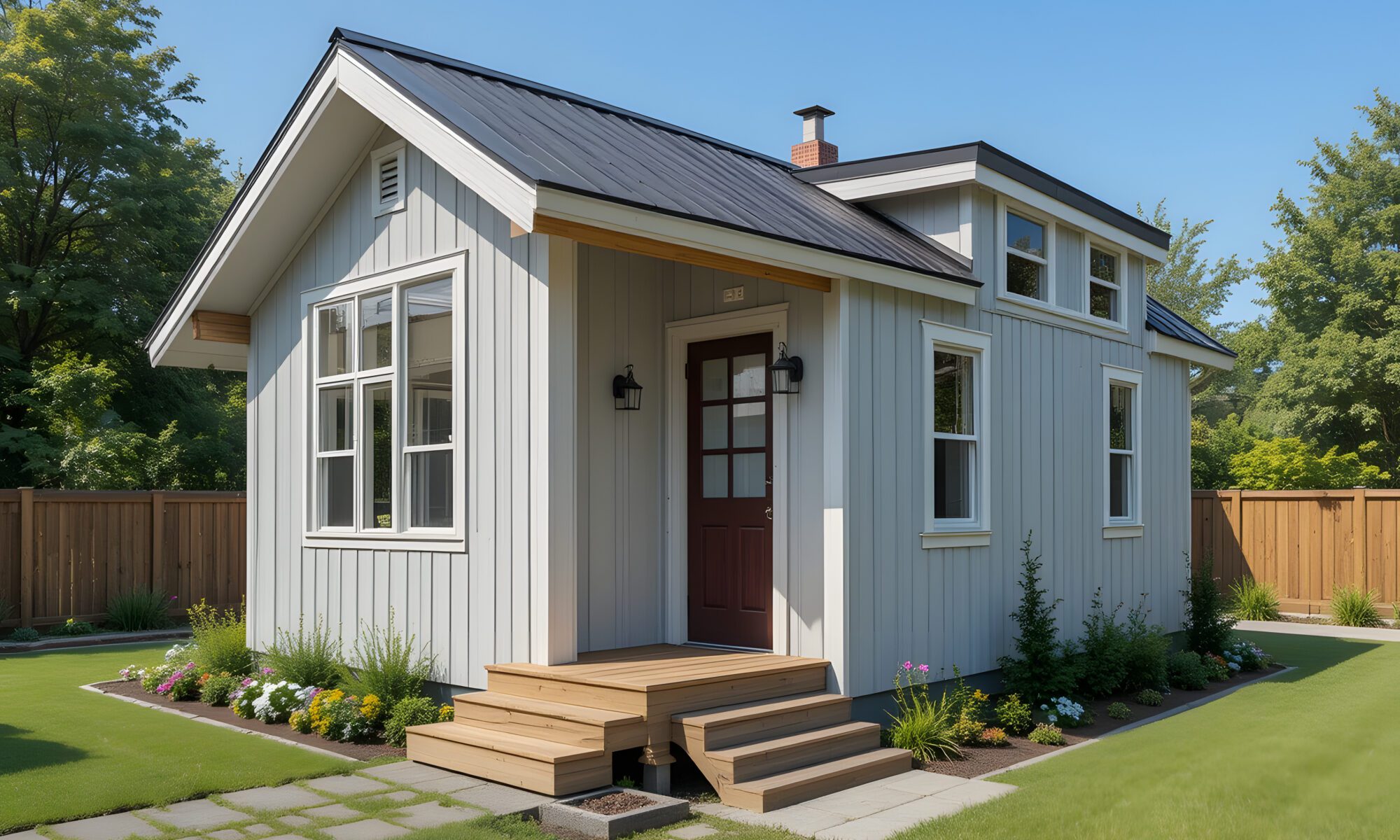
If you’ve spent even five minutes Googling tiny houses, you already know the dream hits a wall pretty quickly: regulations. Zoning. Minimum square footage. Foundation rules. Wheelbase requirements. RV classifications.
All that fun stuff.
And if you’re planning to build in Colorado, trust me, this matters even more. Colorado is packed with creative folks, DIYers, homesteaders… and yep, plenty of tiny house builders Colorado searching for loopholes that don’t actually exist. Truth is, the rules decide your lifestyle more than the house itself.
Before you spend a dollar on a frame or pick out that cute little loft ladder, you have to understand your local codes. Otherwise, the whole plan can fall apart, and fast.
And, honestly, half the problems people face could’ve been avoided with one clear step:
Know your tiny house regulations before you build.
Let’s dig into this without sugarcoating anything.
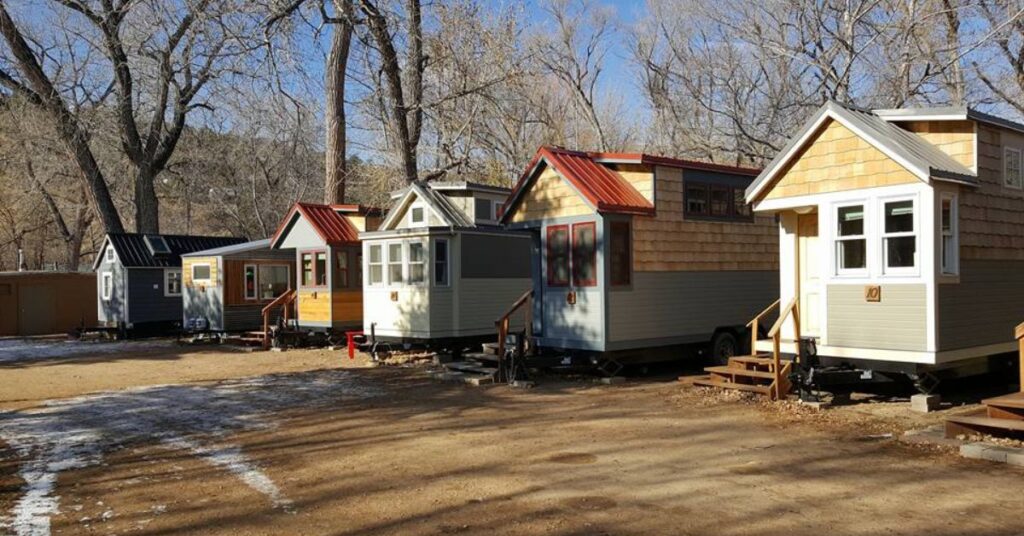
Tiny Living Sounds Simple… But the Law Isn’t
Most folks picture tiny house living as rolling into a pretty spot, parking your little home, and instantly living your Pinterest life.
Not exactly.
Every county, city, and municipality does things its own way. One town welcomes tiny homes with open arms. The next one treats them like an alien spacecraft. Some allow tiny houses on wheels. Some require foundations. Some want them registered as RVs. Others say, “Sure, but only as an ADU.”
Anyone building in Colorado learns this fast. From Fort Collins to Durango, the rules change like the weather.
If you go in blind, you end up wasting time… money… and sometimes the whole structure.
Why Local Tiny House Regulations Matter More Than Anything Else
Let’s be real: the house itself is the easy part.
The legal placement is the hard part.
And tiny houses live in this weird legal “in-between” zone. Not a typical house. Not a typical RV. Not a shed. Not a mobile home. So the city planners don’t always know where to put you.
That’s why you need to understand four major things:
1. Zoning Laws
Zoning decides where you can legally place your home. If the land is zoned only for single-family dwellings and requires 1,000 sq ft minimum, your 280-sq-ft tiny house isn’t getting in.
2. Building Codes
These deal with how the structure itself is built.
Some places follow IRC Appendix Q (friendly for tiny homes). Some don’t.
3. Classification
Your tiny home could be labeled:
- THOW (Tiny House on Wheels)
- RV
- Park Model RV
- ADU
- Mobile home
And each one has different requirements.
4. Utility Rules
Can you hook up water, septic, and electrical legally?
You’d be shocked at how many people skip this part and then panic later.
This is exactly why working with pros matters. Good builders understand local laws. Great builders build with them in mind from day one.
Colorado: Amazing for Tiny Homes… If You Know the Rules
Colorado gets a lot of attention in the tiny home world. The scenery’s unbeatable. The off-grid life is appealing. Land in rural counties is more flexible.
But the truth is, every part of Colorado has its own standards.
Some examples (and these are general trends, not universal rules):
- Some counties allow tiny houses on wheels only as RVs, so you can’t live in them full-time.
- Some require your tiny home to sit on a certified engineered trailer.
- Several towns openly support tiny ADUs but have strict inspections.
- Rural mountain counties are easier. Cities are stricter.
And no matter where you build, the foundation of your small home, your trailer, has to meet safety and engineering standards. People try to cut corners here. That’s always a mistake.
If you’re planning to work with Trailer Made Trailers, they’ll tell you exactly why: the trailer is the home. It carries the weight, keeps the structure safe, and determines whether inspectors approve your build or not.
Why ADUs Are Making Tiny Homes More Accepted
ADUs, Accessory Dwelling Units, are a huge win for the tiny home community.
Cities love them because they solve housing shortages. Homeowners love them because they generate passive income or give family members a place to stay.
And tiny houses fit perfectly into this category in many towns.
The real benefit?
ADUs come with clearer regulations, which makes building simpler.
But again, every region writes its own ADU rules. Some require foundation builds. Some allow wheels. Some want hookups inspected like a standard home. Some don’t.
So if you’re thinking “I’ll just use it as an ADU,” slow down. Make sure your exact county labels it the way you expect.
Engineered Trailers: The Part Most People Ignore
Let’s talk about the trailer for a second because, honestly, I’ve seen too many people mess this up.
Folks will drop $40k on interior finishes… and then slap the home onto a cheap, non-engineered trailer they found on a classified site. And then boom, things sag, axles fail, inspectors reject the project, or the whole rig becomes unsafe on the road.
This is exactly why builders recommend engineered, certified frames like the ones Trailer Made produces every single time.
Here’s the short version:
- Engineered trailers protect your investment
- They meet load, balance, and safety rules
- They make inspections way smoother
- They prevent long-term structural issues
- They meet tiny-house-specific stress demands
Don’t gamble with the foundation of your entire home. Cutting corners here costs more later. Always.
Working With Tiny House Builders in Colorado
Here’s the thing about building tiny homes in Colorado: you have a lot of options. There are great companies here. But even the best builder can’t save you from misunderstandings about your local regulations.
So your process should look something like:
- Check zoning before you design: Know exactly what’s legal where you plan to live.
- Confirm whether you need a foundation or trailer: Some towns don’t allow tiny homes on wheels. Period.
- Pick an engineered trailer approved for tiny home loads: This is where Trailer Made changes the game.
- Work with builders who understand Colorado’s laws: If they can’t explain the rules, run.
- Ask about long-term maintenance and code compliance: Your build isn’t just about move-in day, it’s about safety years later.
Good builders don’t avoid your questions.
Good builders educate you.
When Rules Feel Frustrating… Remember, They Can Actually Protect You
It’s easy to hate regulations. They slow things down. They add cost. Sometimes they feel outdated or unnecessary.
But here’s the part nobody likes to admit:
Most rules exist because somebody got hurt, or a home failed, or a structure collapsed.
Tiny homes are lighter, narrower, and taller. They face winds differently. Road vibration affects them. Weight distribution is trickier.
So when a county requires an engineered trailer or certain insulation standards, they’re not trying to ruin your tiny house dream. They’re trying to make sure your dream doesn’t become a safety hazard.
When you understand the rules, you build smarter.
When you ignore them, you build problems.
What Happens If You Skip the Research?
To put it bluntly… bad things.
- You might not be allowed to live in your home full-time
- You could be forced to move it
- Fines are possible
- Insurance becomes a nightmare
- Resale value drops
- Inspections fail
- Trailers get rejected
- Utility hookups can be denied
And worst of all:
You realize your dream home can’t legally exist where you planned.
I’ve seen couples put their heart into a tiny house only to learn they can’t legally park it anywhere within 100 miles of their town. That’s brutal. And avoidable.
The Smart Way to Start Your Tiny Living Journey
Let’s break it down with a simple approach that actually works:
Step 1: Pick your location first
Don’t build, then hunt for land.
Find land, then build for that land.
Step 2: Talk to your county planning office
Seriously. Just call.
Ask about tiny homes, ADUs, and RV living rules.
Step 3: Decide on wheels or foundation
This choice affects everything.
Step 4: Choose an engineered trailer early
A certified frame like Trailer Made’s makes everything easier.
Step 5: Work with builders who follow codes
Not under-the-table shortcuts.
Step 6: Keep documentation for inspectors
Serial numbers, load ratings, trailer certificates save it all.
Step 7: Build for long-term value
Not the cheapest option… the safest.
That’s it.
Not glamorous, but it works every single time.
Ready to Build Smarter?
If you want a tiny home that actually passes inspections, lasts for decades, and keeps you safe on the road, start with the foundation. That’s your trailer. And choosing the right one makes everything else easier, zoning, building, and even resale.
Visit Trailer Made Trailers to start your build the right way.
FAQs
1. What are tiny house regulations, and why do they matter?
Tiny house regulations are the rules that tell you where and how a tiny home can legally exist, and they shape everything from parking to utilities to long-term living. Understanding tiny house regulations early keeps you from building something you can’t legally use later. Some counties allow full-time living in tiny homes. Others flat-out don’t. And once you build without knowing the rules, fixing the situation is expensive and frustrating.
2. Are tiny house builders in Colorado easy to work with?
Generally, yes Colorado has a strong community of builders who understand small-space living. But you still need to check whether the builder you choose actually knows your specific county’s rules. A builder can design a gorgeous home that ends up violating a zoning requirement or parking rule. That’s not their fault… it’s the mismatch between your design and the local laws.
3. Can a tiny home be used as an ADU in most places?
Sometimes. ADUs are becoming more accepted, but each city writes its own standards. Some require ADUs to be on a foundation. Some allow wheels. Some want ADUs connected to utilities like a full-size home. The key is checking the exact wording your city uses because “ADU-friendly” doesn’t always mean “tiny house friendly.”
4. Do I really need an engineered trailer for a tiny home?
Short answer: yes. If your home sits on wheels, the trailer is its foundation. Using a non-engineered or poorly built trailer is the fastest way to create long-term structural problems. Engineered trailers handle the weight, follow load-distribution rules, and meet safety standards, making inspections smoother and your home safer.
5. What’s the first step for someone ready to build a tiny house in Colorado?
Figure out where you want to live and call the county planning office. It sounds boring, but it saves you from every major headache later. Once you confirm what’s legal, choose an engineered trailer, talk to builders, and start designing your home for the rule,s not against them.
