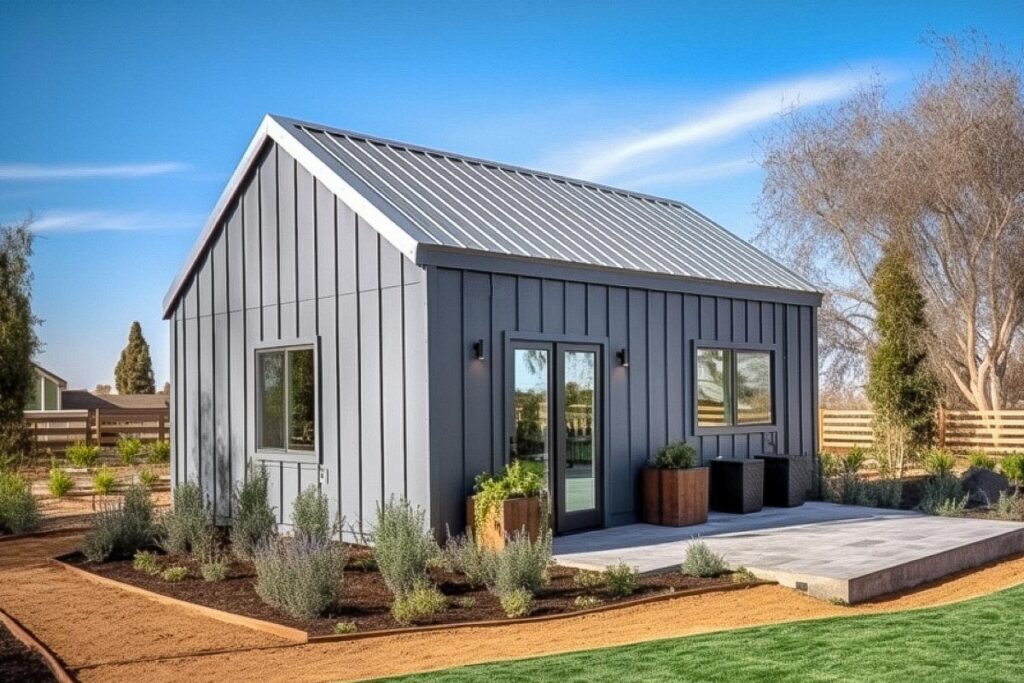
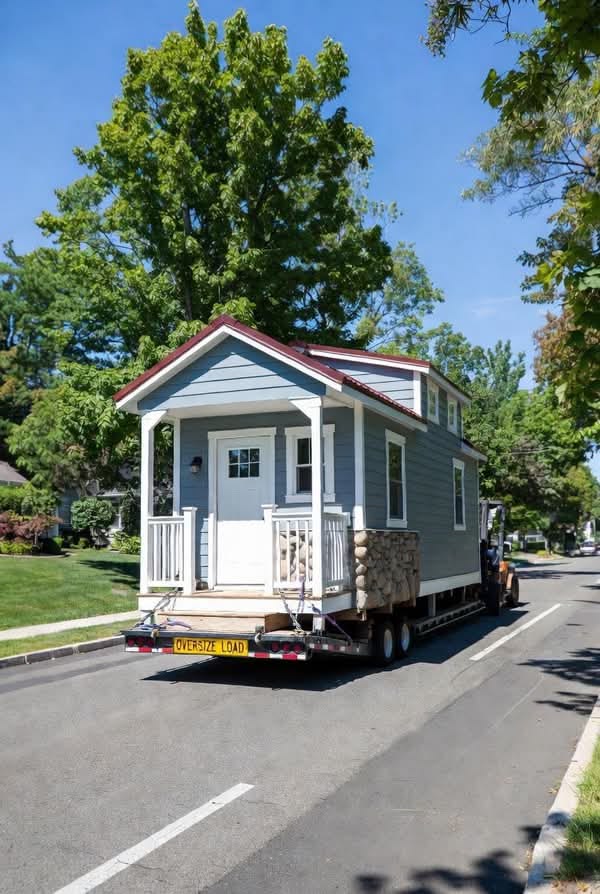
A lot of people jump into the tiny house or ADU space thinking it’s all about finishes. The look. The Pinterest boards. The vibe.
But the truth is… none of that matters if the foundation under it is wrong.
And in this world, your foundation isn’t concrete. It’s the trailer.
That’s where most people either build something solid or make a mistake they regret for years.
So if you’re looking at equipment trailers, tiny house builds, or even an ADU trailer / ADU foundation, this is where you need to pay attention.
Because of a pre-engineered trailer home design? It’s not just convenient. It’s the difference between a structure that lasts and one that slowly starts failing.
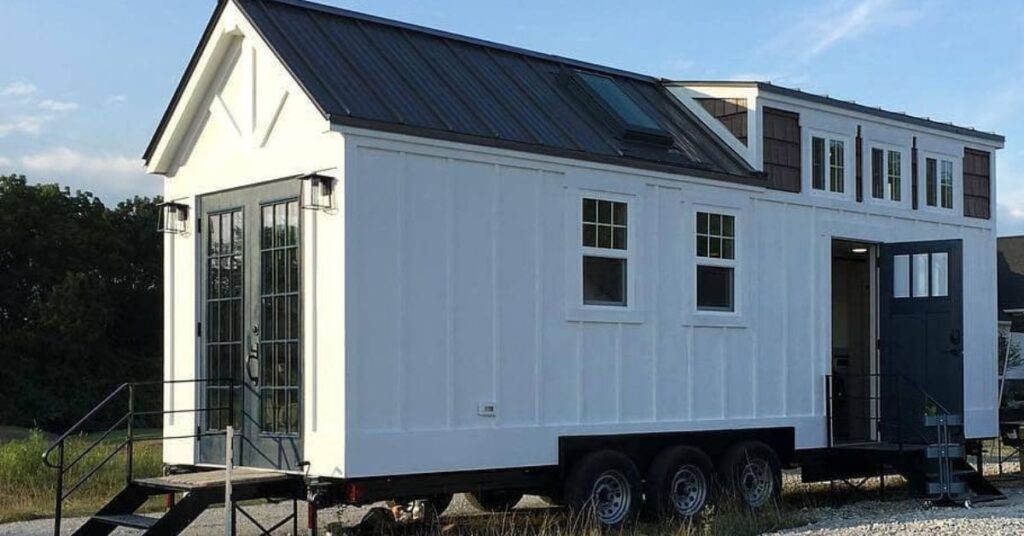
What Is a Pre-Engineered Trailer Home Design?
Short answer: It’s a trailer that’s designed specifically for a structure to live on.
Not a repurposed flatbed. Not something picked up from random trailer dealer near me searches. Not an old iron bull trailer unit meant for hauling machines.
A pre-engineered trailer is built with load distribution, weight balance, structural integrity, and long-term use in mind.
It’s designed before your house even goes up.
That matters more than people think.
Because once your house is built? You can’t just swap the base. You’re locked in.
Why Standard Equipment Trailers Don’t Cut It
Here’s where people try to save money. And yeah, it looks tempting.
You’ll see equipment trailers for sale, maybe even heavy-duty ones. Flatbed equipment trailers, tandem axle equipment trailers, and even gooseneck trailers for sale. They look strong.
And they are… for hauling.
But hauling equipment and supporting a permanent structure are two very different things.
An equipment transport trailer is designed for shifting loads. Temporary weight. Movement stress.
A tiny house or ADU? That’s a constant load. Static pressure. Long-term stress on the frame.
Different game.
Use the wrong trailer, and you start seeing issues:
- Frame flex over time
- Uneven weight distribution
- Structural stress on your walls
- Problems during transport
It doesn’t fail overnight. That’s the problem. It creeps in slowly.
The Real Benefit: Structural Integrity That’s Built In
With a pre-engineered trailer, the structure is part of the design from day one.
Everything is calculated:
- Load points
- Steel thickness
- Axle placement
- Tongue strength
- Overall weight balance
You’re not guessing. You’re not adjusting later.
You’re building on something that was meant for this exact purpose.
And that’s what separates an engineered tiny house trailer from a generic heavy-duty equipment trailer.
One is designed for houses.
The other is not.
Better Weight Distribution (And Why It Matters More Than You Think)
This is one of those things people ignore until it’s too late.
Weight distribution isn’t just about “can it hold the weight?”
It’s about how the weight sits across the trailer.
With a proper tiny house trailer, the load is spread evenly across axles and the frame.
With a regular trailer? You’re adjusting your entire house design just to make it work.
That’s backwards.
A pre-engineered system flips that. The trailer supports your design—not the other way around.
Safer Transport—Especially With Gooseneck Options
If you ever plan to move your build, stability becomes a big deal.
This is where gooseneck trailer designs shine.
Compared to standard pull trailers, goosenecks offer:
- Better weight distribution over the truck
- Improved turning radius
- More control during transport
And when it’s part of a pre-engineered design, it’s not just added on. It’s integrated.
That means safer movement. Less stress on the structure.
And fewer white-knuckle drives.
Long-Term Durability (Not Just First-Year Strength)
A lot of trailers feel solid at the start.
Even cheaper ones.
The issue shows up later.
A year in. Two years in.
That’s when weld fatigue, frame flex, or minor alignment issues start becoming real problems.
Pre-engineered trailers are built for long-term use.
Thicker steel. Reinforced crossmembers. Better weld quality.
Because again, this isn’t about moving a machine once a week.
It’s about holding a home every single day.
Designed for Tiny House Kits and ADU Builds
If you’re planning to build your own tiny house kit, this part matters a lot.
Pre-engineered trailers are designed to align with standard building layouts.
That means:
- Easier framing
- Cleaner installation
- Fewer modifications
You’re not cutting corners or forcing things to fit.
The same goes for ADUs.
A proper ADU foundation built on a trailer needs stability, compliance, and structural support.
You don’t want to “figure it out as you go.”
Compliance and Inspection Advantages
Here’s something most people don’t think about early enough.
Permits. Inspections. Regulations.
A pre-engineered trailer often makes this process smoother.
Why?
Because it’s built with known specifications. Load ratings. Structural data.
Try explaining a modified utility equipment hauling trailer to an inspector and see how that goes.
Not fun.
Cost vs Value: Where People Get It Wrong
Let’s talk about money.
Yes, a pre-engineered trailer costs more upfront than a basic construction equipment trailer.
But here’s the real question:
Do you want to pay less now… or pay more later by fixing problems?
Because repairs, reinforcements, or worse, rebuilding cost way more.
The short answer is simple.
You’re not buying a trailer. You’re buying the base of your home.
Why Cutting Corners on Trailers Is a Bad Idea
This needs to be said clearly.
Cutting corners on your trailer is one of the worst decisions you can make in this process.
- You can upgrade interiors later.
- You can change finishes.
- You can even redo layouts.
But the trailer? That’s permanent.
And if it fails, everything above it is affected.
Versatility for Different Builds
Another big advantage is flexibility.
A well-designed trailer can support different types of builds:
- Tiny homes
- Mobile offices
- ADUs
- Rental units
And yes, even hybrid uses.
That’s something standard commercial equipment trailers don’t offer.
They’re built for one job. Hauling.
A pre-engineered trailer? It’s built for living.
Better Resale Value
This part often gets ignored.
But it matters.
A home built on a properly engineered tiny house trailer holds its value better.
Buyers know what they’re getting.
Compare that to something built on a random high-profile equipment trailer… and yeah, it’s a harder sell.
People ask questions. They hesitate.
And you lose leverage.
The Trailer Made a Difference
This is where companies like Trailer Made step in.
We don’t just build trailers. We build foundations for homes. Everything is engineered with long-term use in mind.
Not just strength, but balance, durability, and real-world performance. That’s the difference between a product and a system.
Final Thoughts
If you’re serious about building a tiny home or ADU, don’t start with finishes.
Start with the foundation, because everything depends on it.
A pre-engineered trailer home design isn’t a luxury. It’s a necessity if you want something that lasts.
And yeah, you’ll see cheaper options out there.
But cheap doesn’t stay cheap for long.
Ready to Build It Right?
Don’t gamble with your foundation.
If you’re planning a tiny house, ADU, or custom build, start with something that’s actually made for it.
Visit Trailer Made Trailers to start your build.
Build it once. Build it right.
FAQs
What makes engineered tiny house trailers better than standard equipment trailers?
An engineered tiny house trailer is designed specifically to support a permanent structure, unlike standard equipment trailers, which are built for temporary loads. The frame, axles, and weight distribution are all calculated for long-term use. That means better durability, stability, and fewer structural issues over time.
Can I use heavy-duty equipment trailers for tiny house builds?
You can, but it’s not recommended. Even heavy-duty equipment trailers are designed for hauling, not supporting a static structure. Over time, this mismatch can lead to frame stress and uneven load distribution, which affects the safety and lifespan of your build.
Are gooseneck trailers better for transporting tiny homes?
Yes, gooseneck trailers offer better stability and weight distribution during transport. They connect over the truck’s rear axle, which improves control and reduces sway. For larger builds, they’re often the safer and more reliable option.
How do I choose the best trailer for heavy equipment vs tiny homes?
The best trailers for heavy equipment focus on mobility and load flexibility, while trailers for tiny homes focus on structural integrity and long-term support. If you’re building a home, always choose a trailer designed specifically for that purpose, not one meant for hauling.
Is it worth investing in a pre-engineered ADU trailer foundation?
Yes, absolutely. A proper ADU foundation ensures your structure is safe, stable, and compliant with regulations. While it may cost more upfront, it saves you from expensive repairs and structural issues down the line.