
Buying a small home sounds kinda simple on paper. You find a property, slap a house on it, move in, and then just enjoy the freedom. If only it went exactly like that.
But yeah, in reality, a lot of the biggest headaches homeowners run into don’t really come from construction prices, neat floor plans, or even that financing part. It’s often the legal issues. And those legal problems can get expensive surprisingly fast.
We’ve watched this play out again and again in the tiny house and ADU space. One person buys some land. Another person grabs a tiny home kit; those are sold all over online, so they feel ready. They get excited, start building, and then they hit a wall. Suddenly, they find out permits weren’t approved, zoning doesn’t allow the structure, or the trailer base under it doesn’t meet the rules.
Now they’re stuck.
That’s why understanding homeowner legal challenges before you build matters just as much as choosing the right home or trailer.
Let’s dig into the biggest legal risks facing today’s small homeowners and what you can do to avoid them.
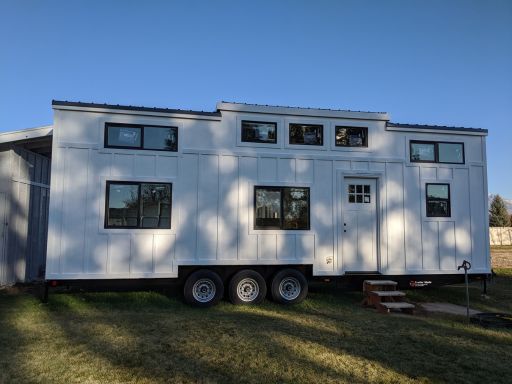
Why Legal Issues Are Becoming More Common for Small Homeowners
Small homes, ADUs, backyard cottages, and tiny houses have exploded in popularity over the last decade.
Housing costs continue rising. Families want flexibility. Investors want rental income. Homeowners want additional living space.
Sounds great.
The problem is that local governments haven’t all kept pace.
One county may welcome ADUs while the neighboring county makes the process extremely difficult. One city may support tiny houses while another still treats them like recreational vehicles.
This creates confusion, and confusion creates legal problems.
Many property ownership challenges start because homeowners assume rules are the same everywhere. They aren’t. Every jurisdiction has its own zoning requirements, setback rules, utility regulations, occupancy standards, and permitting process. Ignoring those details can turn a dream project into a very expensive lesson.
The Tiny House Regulations That Catch People Off Guard
Most people shopping for a tiny house for sale in Colorado, Texas, Florida, or anywhere else are focused on design and price.
Very few are thinking about municipal codes. That’s usually a mistake. Tiny house regulations vary dramatically from one area to another. Some locations allow full-time tiny house living. Others only allow temporary occupancy. Some require permanent foundations. Others permit trailer-based homes under specific circumstances.
Property Law for Homeowners Starts With Zoning
Zoning is one of the biggest sources of homeowner legal issues. Many buyers don’t fully understand what zoning controls.
It determines:
- What structures can be built
- How property can be used
- Setback requirements
- Density limits
- Rental restrictions
- Parking requirements
- Accessory dwelling allowances
A property may look perfect online. That doesn’t mean it’s legally suitable for your project.
We’ve seen buyers purchase land expecting to install a tiny house or ADU, only to discover zoning restrictions made the plan impossible.
That hurts. Especially after you’ve already invested money into engineering, permitting, transportation, and site preparation. A little research upfront can prevent a lot of headaches later.
ADUs Create Opportunity — But Also Legal Complexity
ADUs are one of the fastest-growing housing solutions in America.
Homeowners use them for:
- Rental income
- Aging parents
- Adult children
- Guest housing
- Home offices
The demand continues growing, which is why finding the right ADU builder matters. But ADUs come with legal responsibilities.
Many jurisdictions require:
- Building permits
- Utility approvals
- Fire separation compliance
- Parking considerations
- Occupancy requirements
- Inspection approvals
Some cities actively encourage ADUs. Others still make the process frustrating. The key is working with experienced professionals who understand how code compliance works in the real world.
Why Your Trailer Can Become a Legal Problem
This is where Trailer Made often sees costly mistakes. People tend to view the trailer as simply transportation.
It isn’t. The trailer is the structural foundation of the entire home. Everything depends on it.
We’ve seen homeowners buy inexpensive tiny house trailers online because they looked similar to engineered options. A few thousand dollars saved up front, and Tens of thousands lost later.
The reality is that poorly designed tiny house trailers can create problems involving:
- Structural failures
- Weight distribution issues
- Insurance complications
- Inspection concerns
- Transportation compliance
When a home sits on a weak foundation, every component above it is affected.
Floors shift, doors stop closing properly, windows bind, and framing stress develops.
None of that is cheap to fix. That’s why engineered trailers matter.
Common Homeowner Disputes With Neighbors
Most homeowners don’t expect neighbor disputes.
Until they have one.
Then they quickly discover how stressful property conflicts can become.
Common homeowner disputes often involve:
Property Line Disagreements: Fences, sheds, landscaping, and driveways, these issues create conflicts every year. Many homeowners assume property boundaries are obvious. They’re often wrong. Professional surveys help eliminate uncertainty before construction begins.
Easement Issues: Some properties contain access easements or utility easements. Building in the wrong area can create legal complications later. A title review can identify these restrictions before problems arise.
Noise and Use Complaints: ADUs, rentals, workshops, and home businesses sometimes generate neighbor concerns. Understanding local ordinances helps reduce future conflict.
Insurance Gaps That Create Legal Exposure
A surprising number of homeowners assume insurance covers everything.
It doesn’t. Insurance policies vary significantly. Some homeowners discover coverage gaps only after something goes wrong. Particularly with tiny homes, ADUs, and mobile structures.
Before investing in any project, verify:
- Property coverage
- Liability protection
- Transportation coverage
- Rental coverage
- Additional structure protection
The cost of confirming coverage is minimal. The cost of discovering a gap after a loss can be devastating.
Rental ADUs Bring Additional Legal Responsibilities
Many homeowners see rental income as the primary benefit of building an ADU.
And it can be. But rental properties introduce additional legal obligations.
Homeowners become responsible for:
- Lease compliance
- Habitability requirements
- Fair housing regulations
- Safety standards
- Maintenance responsibilities
We’ve seen people focus heavily on projected rental income while ignoring compliance obligations.
That’s risky.
The smartest ADU investors view legal preparation as part of the investment itself.
Homeowner Legal Rights Every Property Owner Should Know
Understanding homeowner legal rights isn’t optional; it’s essential.
Every homeowner should understand:
Right to Property Use: Subject to zoning and local regulations, homeowners generally have the right to enjoy and use their property.
Right to Due Process: Local governments typically must follow established procedures before imposing penalties or enforcement actions.
Right to Challenge Decisions: Permit denials and zoning decisions may have appeal processes available.
Right to Access Information: Most jurisdictions provide public access to zoning maps, code requirements, permit records, and development regulations.
Knowing these rights helps homeowners make informed decisions when issues arise.
Why Permitting Delays Causes So Many Problems
One of the biggest homeowner legal challenges isn’t outright denial.
Permitting delays create:
- Construction interruptions
- Contractor scheduling problems
- Financing complications
- Material cost increases
We’ve watched projects sit for months waiting on approvals. The homeowners usually become frustrated because they assumed permits would move quickly. Sometimes they do, and sometimes they don’t.
Experienced builders and manufacturers help reduce uncertainty because they’ve navigated these processes repeatedly. Experience matters.
Why Trailer Made Focuses on Engineering First
At Trailer Made, we’ve spent years helping homeowners, builders, and developers create strong foundations for successful projects. We’ve seen nearly every mistake possible.
- We’ve seen overloaded trailers.
- We’ve seen poor axle placement.
- We’ve seen structural fatigue problems.
We’ve seen homeowners forced into expensive repairs because somebody sold them a trailer designed to hit a price point rather than perform.
The foundation underneath your home affects safety, longevity, transportation, inspections, and long-term value. An engineered trailer isn’t simply steel; it’s risk reduction, durability, and peace of mind. When you’re making one of the biggest investments of your life, that’s worth paying attention to.
Final Thoughts
The biggest legal challenges facing small homeowners usually aren’t some dramatic courtroom thing. More often, it’s everyday stuff, and you should not just assume the cheapest option today will still be the cheapest option tomorrow, because that can flip fast.
We’ve seen enough projects over the years to know one thing for certain, one that keeps showing up: the homeowners who plan carefully almost always sleep better at night than the ones who wait to fix things after construction has already started.
So if you’re planning a tiny home, an ADU, or a custom build, you really ought to start with the foundation, the base that holds everything else up. Then you won’t be surprised later.
Visit Trailer Made Custom Trailers today and learn why engineered tiny house trailers keep getting trusted by builders and homeowners all across the country.
FAQs
What are the most common legal challenges for small homeowners?
The most common legal headaches for homeowners are usually zoning restrictions, permit troubles, property line arguments, insurance coverage gaps, and the need to follow tiny house regulations. Homeowners who are building ADUs or using tiny house trailers often run into extra legal stuff depending on local code language and how the land-use rules are worded, sometimes even in a way that feels kind of indirect.
How can homeowners protect themselves from legal disputes?
Honestly, the best defense is preparation. Confirm the zoning regulations ahead of time, get the correct permits, scan the title reports, arrange professional surveys, and hire experienced builders and engineers. A lot of the typical homeowner disputes can be sidestepped when the legal expectations are handled before construction even starts.
What property law issues do small homeowners face most often?
Property law for homeowners usually turns on zoning compliance, easement restrictions, setback expectations, land-use limitations, and those annoying property boundary issues. This stuff becomes extra important when people add ADUs, put in tiny homes, or try to develop land that has sat unused for a while.
What legal rights should every homeowner really know?
Every homeowner should get familiar with their own homeowner legal rights about property use, permit appeals, due process safeguards, access to public records, and the usual local regulatory steps. When you know these rights, you’re better positioned to respond if legal or zoning problems show up.
How can smaller homeowners avoid expensive legal trouble?
A pretty straightforward approach is to plan ahead before building. Look up the local rules, get a handle on tiny house regulations, pick a well-made, engineered tiny house trailer, secure the necessary approvals, and collaborate with reputable professionals. Fixing mistakes later almost always costs more than doing things right in the beginning.