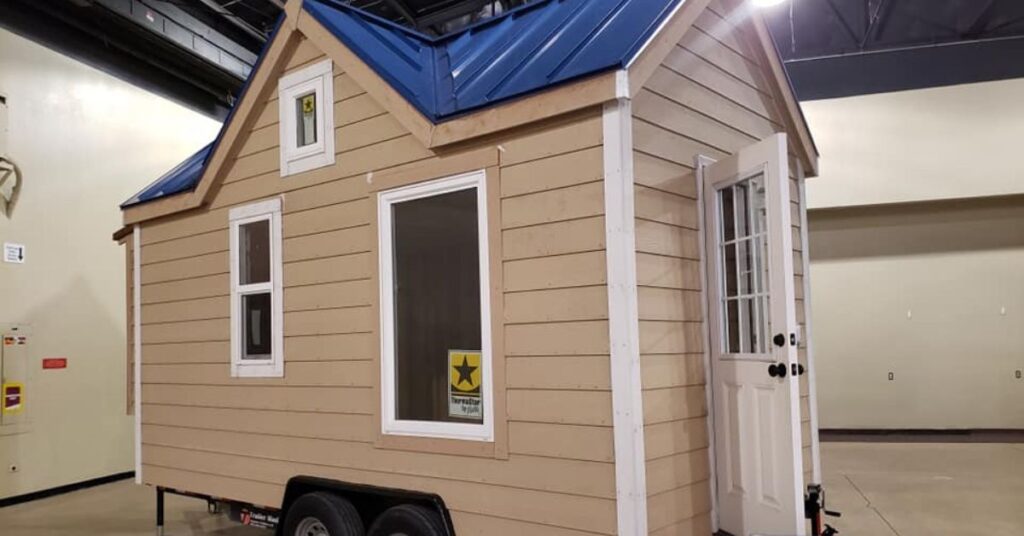
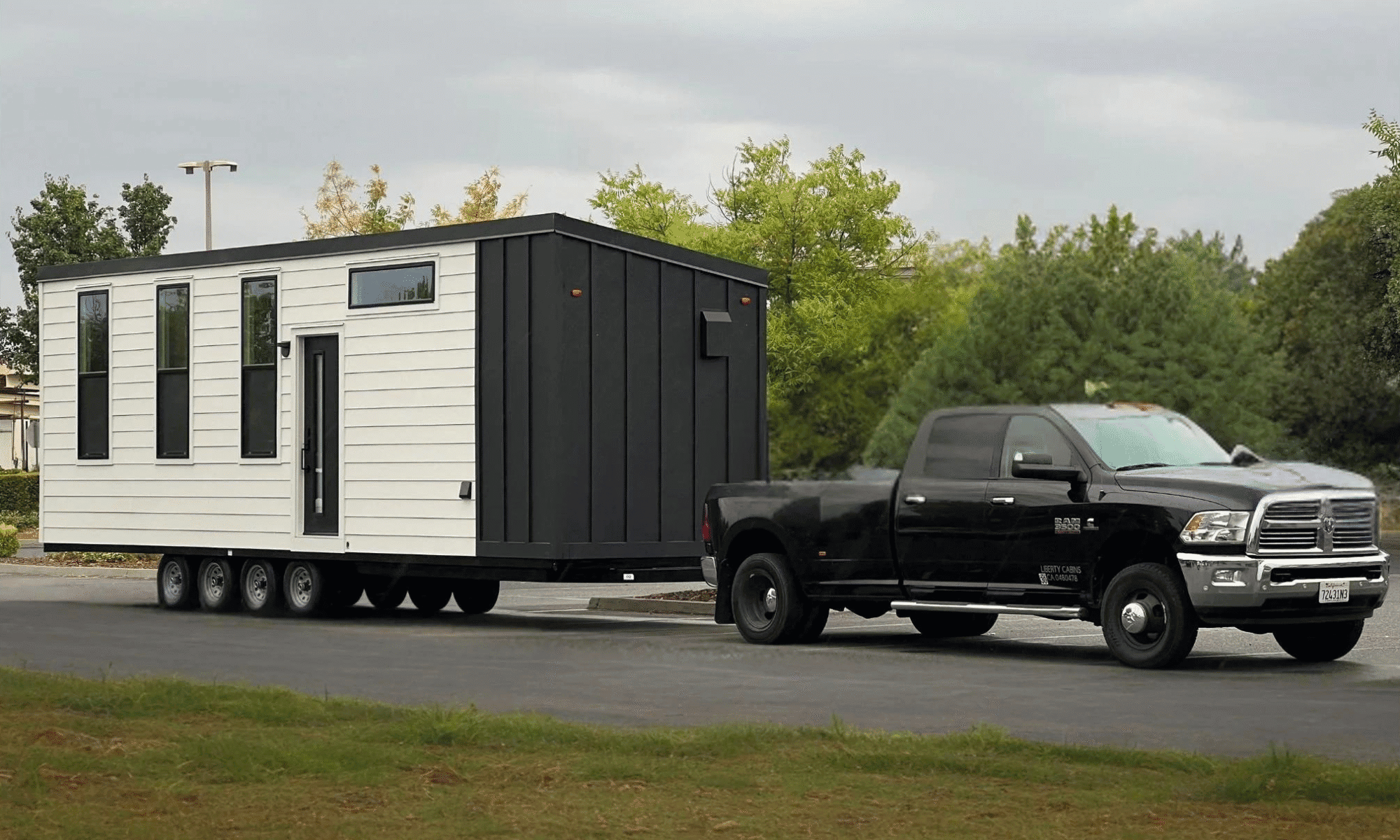
Most of the stuff you see on Pinterest or YouTube about tiny home living is complete garbage. It’s all sunbeams, minimalist coffee setups, and people smiling while it blankets snow outside their perfectly cozy 24-foot loft.
What they don’t show you is the reality of a freezing January morning when the pipes under the floor are frozen solid, the wind is rattling the framing so hard the drywall is cracking, and condensation is dripping off the ceiling like a leaky faucet.
Living tiny doesn’t mean living like you’re camping. But if you buy a cheap structure or build on a flimsy foundation, that’s exactly what happens.
When people ask how tiny homes handle different weather conditions, the short answer is simple: Some handle it like an absolute fortress, and others fall apart within three years. It all comes down to engineering, insulation, and the literal foundation holding the structure together.
If you’re looking at tiny house kits or trying to find an ADU for sale, you need to know what actually happens when the weather turns ugly. Let’s break down the physics of tiny house weatherproofing from the dirt up.
The Foundation Problem: Why Weatherproofing Starts with the Steel
Truth is, most people look at a tiny house and focus entirely on the wrong things. They obsess over the shiplap walls, the tile backsplash, or whether the couch folds out. They treat the trailer underneath like a secondary line item something you just buy off a lot to haul the house away.
That is a massive, incredibly expensive mistake.
In a traditional home, your foundation is buried deep in the earth. It doesn’t move, and it doesn’t get hit by 60 mph freezing winds from underneath. A tiny house on wheels is completely different. It is an elevated structure. The subfloor is exposed to the elements, and cold air whips right beneath your living space.
If your trailer frame twists, sags, or flexes under the weight of the house or due to temperature fluctuations, your weather barrier breaks. Period.
- The Cheap Trailer Trap: Standard utility trailers or budget flatbeds are made for hauling landscaping equipment or cars. They aren’t engineered for static, heavy loads that stay on them for thirty years. They flex when the wind blows or when snow piles on the roof.
- The Resulting Damage: When that frame flexes, your window seals pop. Your house wraps tear. The flashing around your roof separates. Suddenly, rain or melted snow has a direct path inside your walls.
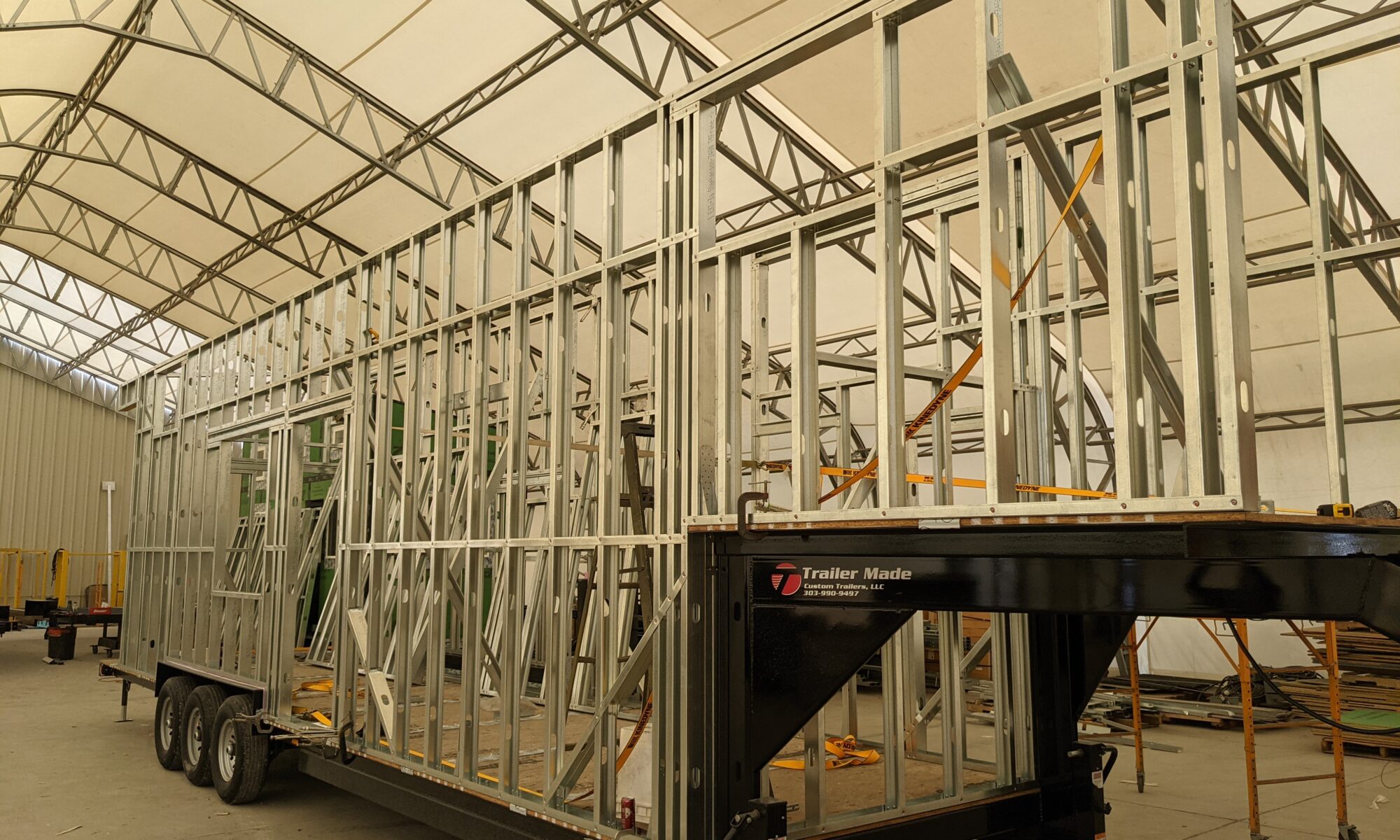
At Trailer Made Custom Trailers, we don’t build utility trailers with some wood slapped on top. We manufacture engineered, stamped foundations specifically designed to carry the extreme loads of a house while standing up to high winds and temperature swings. If your foundation isn’t rigid, your weatherproofing is a ticking time bomb.
How Tiny Homes Stay Warm During Freezing Winters
If you want to survive a real winter, the kind we get here with tiny house builders in Colorado, facing sub-zero alpine blasts, you have to think about more than just a big heater. You have to think about thermal bridging.
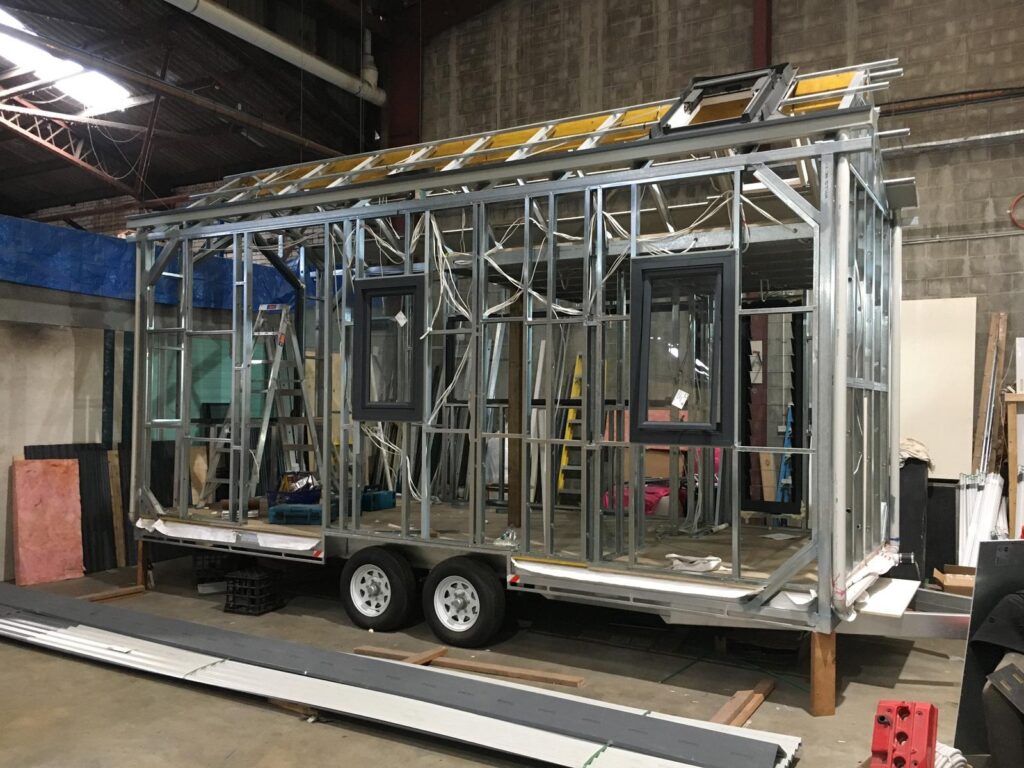
Thermal bridging happens when a highly conductive material (like the steel in your trailer or the wood studs in your walls) creates a pathway for heat to escape. In a tiny home, if the steel frame isn’t properly isolated from the floor system, the cold from the outside air will telegraph right through the metal and turn your floors into an ice rink.
The Floor Assembly Is the Battleground
To keep your feet from freezing, the bottom of the house needs a complete thermal break. Here is how real tiny house experts handle a cold-climate build:
- Flashing the Underbelly: There should be a secure, enclosed barrier, e.g., made of metal, at the lowest point of the trailer frame to prevent road moisture and pests from entering the trailer.
- Rigid or Spray Foam Isolation: Regular fiberglass wall insulation won’t work here. They lose their shape after some time, and if they get any water from the road, they become a disgusting sponge. Spray foam or high-density rigid foam insulation is required. It covers all gaps and penetrations, and prevents infiltration of air.
- The Heating Strategy: A space heater cannot be placed in a small area and left there. Most serious builders use a heat pump that is either mini-split or a small, direct-vent propane heater. Many of our top-of-the-line DIY customers even place radiant in-floor heat over our engineered steel chassis, as the even distribution of heat where it is needed makes it that much better.
Standing Up to High Winds and Severe Storms
Here’s something people don’t think about until they’re sitting inside a 14-foot-tall, 8.5-foot-wide box during a severe thunderstorm: A tiny house is a giant sail.
When a 50 or 60 mph gust hits the side of a traditional home, the weight and the concrete foundation absorb the load. When it hits a tiny house on wheels, it wants to tip it over or slide it down the driveway.
Framing-to-Trailer Connectivity
You can have the strongest walls in the world, but if the house isn’t physically locked to the steel frame underneath, the wind can literally rip the structure off the deck.
We’ve seen cheap builds where the builder just ran a few carriage bolts through the wood sill plate into the trailer flange. That’s a joke. Under severe wind load or the vibrations of highway travel, those bolts can shear right through the wood.
Your wall studs need to tie directly into the steel framing of your foundation using heavy-duty hold-downs, threaded rods, or integrated cold-formed steel framing systems. When we design custom trailers, we build integrated attachment points right into the chassis. The house and the trailer become a single, monolithic structural unit.
Stabilizing on Site
If you’re parked long-term, you aren’t just leaving the house sitting on its tires. You need heavy-duty stabilizer jacks welded directly to the four corners of the frame, rated to handle the gross vehicle weight rating (GVWR) of the entire build.
For high-wind areas, you actually anchor the trailer frame directly to concrete footings or helical piers screwed into the ground. That’s how you keep a tiny house dead quiet and stable when a storm is howling outside.
Preventing Moisture and Rot in Wet, Rainy Climates
Water is the real enemy of any building, but it finishes tiny homes twice as fast. The issue is that the air volume inside a compact space is so small, and then normal things, like showering or boiling water or even just breathing, start piling up a surprisingly huge internal humidity level.
Then, when that warm moist indoor air finally meets a cold surface (a poorly insulated wall stud or a cheap window frame, for example), it condenses into liquid water. After a while, this unseen moisture works quietly; it causes rot, it kills the insulation value, and it helps toxic mold breed behind your drywall.
| Climate Issue | Cheap Build Vulnerability | Engineered/Expert Solution |
| High Indoor Humidity | No ventilation; mold forms on walls | Energy Recovery Ventilators (ERVs) to swap air |
| Road Spray / Ground Rain | Exposed wood underbelly rots out | Enclosed steel flashing underbelly with foam |
| Roof & Window Leaks | Frame flex breaks silicone seals | Rigid engineered chassis prevents structural twisting |
| Snow Load on Roof | Weak rafters sag and crack ceiling | Rafters engineered to local snow-load codes |
The Moisture Control Plan
To survive heavy rain and high humidity, your build needs to breathe outward while staying sealed inward.
- Continuous Vapor Barriers: A high-quality house wrap (like Tyvek or a fluid-applied membrane ) has to cover the exterior framing all the way through, before the siding finally goes on. Not like mostly, or “close enough”, because the details matter a lot.
- Mechanical Ventilation: You cannot really live in a sealed tiny house without some mechanical air exchange going on. An ERV (Energy Recovery Ventilator) or a continuous-run bath fan is non-negotiable. It pulls out the humid air and feeds fresh, drier air back in, without throwing away your climate-controlled temperature.
- Proper Flashing: Every window, every door, and each roof transition needs heavy-duty metal flashing. If a builder tells you they just used “high grade silicone” to seal a big joint, then frankly walk away. Silicone tends to fail after a few seasons due to UV exposure and repeated highway vibrations, even if it looks fine at first.
Extreme Heat: Staying Cool When the Asphalt Bakes
We talk a lot about winter, but summer in places like Texas, Arizona, or California can be just as brutal on a small structure, you know. A tiny house has a high surface-area-to-volume ratio, and basically that means it heats up fast when the sun beats down on the roof.
If you are setting up an accessory dwelling unit (ADU) in your backyard as a rental spot, or buying an ADU for sale to house an aging parent, keeping it cool without racking up a $400 electricity bill is a major priority, really.
Radiant Barriers and Roof Ventilation
The secret to hot-weather survival is stopping the sun’s energy before it ever gets inside your living room.
- Metal Roofing with Air Gaps: A metal roof tends to reflect a huge amount of solar radiation. If you put a radiant barrier, or even a furring-strip air gap right under the metal roofing, the heat kinda gets pushed out sooner before it fully conducts into the ceiling insulation, and honestly that helps a lot.
- High-Performance Glazing: Windows are basically big openings in your insulation envelope. So you’ll want double-pane, low-E windows (that low-emissivity kind) which are rated to block infrared and UV light, not just “some” light, but the relevant stuff.
- Shade and Placement: If you’re planning your layout, pay attention to where the sun lands during the most brutal hours of the day. Try to locate utility rooms, bathrooms, or storage on the west-facing side, then keep your larger living room windows for northern or southern exposure, so they don’t take the worst angles all afternoon.
Why Code and Certification Matter for Weather Resistance
Let’s talk about legality and peace of mind. A lot of fly-by-night operations sell backyard structures or tiny home shells that look great on an auction site but wouldn’t pass a basic inspection if their life depended on it.
If your tiny house or ADU isn’t built to recognized structural codes like the International Residential Code (IRC) Appendix AQ or ANSI standards, you are taking a massive gamble.
When a tiny home is built to code, it means the roof rafters have been engineered to handle specific snow loads (important if you’re looking at tiny home builders Colorado). It means the wall tie-downs are certified to withstand specific wind speeds. It means the plumbing and electrical systems are safe from freezing and fire hazards.
As the tiny house experts, we’ve spent years working alongside code officials, national organizations, and certification bodies to make these structures safe and legal. Every single tiny house trailer manufacturer should be building to a standard, but the truth is most don’t. They weld some tubes together in a garage, paint it black, and call it a day.
If you cut corners on the foundation, you are cutting corners on the safety of your family and your investment. If the frame sags, your expensive weatherproofing is useless.
The Verdict: Can Tiny Homes Handle Extreme Weather?
The answer is yes, definitely. Design a well-constructed tiny home for a blizzard in Maine, a heat wave in Phoenix or a thunderstorm in the Midwest, and it will do just as well, if not better.
It’s not a free thing, nor is it a low-budget thing.
When you’re looking to create a structure that will last a lifetime, you begin with an engineered foundation for the job. You are using high-density insulation, proper thermal breaks, moisture in the interior and building to real residential codes.
Don’t look at the paint job; look at the structure of the house. It’s the reason you stay warm, dry and safe when it’s wild outside.
Looking to create a tiny house or ADU that will stand up to reality? Do not use a low-quality foundation. Visit Trailer Made Trailers to start your build with an engineered, lifetime-warranty chassis that handles whatever nature throws at it.
Frequently Asked Questions
How do tiny homes stay warm during cold winters?
These small homes are heated with continuous high-density insulation (closed-cell spray foam), to prevent thermal bridging between the steel trailer and subfloor, and with efficient heating systems such as mini-split heat pumps or radiant in-floor heating. It is important to have a fully sealed, flashed underbelly for the trailer frame so that freezing ground winds can’t remove heat through the floor.
Are tiny homes strong enough for powerful wind and bad weather?
Yes, but only if they are designed and set correctly and they are anchored. Any structural connection to the tiny home’s steel chassis needs heavy-duty hold-downs or steel integrated framing; any type of wood screws will not suffice. The house should be levelled on heavy-duty stabiliser jacks on site and anchored to the ground or concrete footings to prevent the house from tipping or sliding over in high winds.
How are tiny homes insulated for hot and cold climates?
The small home experts say it’s best to use closed-cell spray foam or high-density rigid foam board instead of conventional fiberglass batts. Spray foam can serve as a layer of insulation and provide an air barrier, preventing air leaks in small cracks. A metal roof can be installed over a radiant barrier in hot climates to keep the inside surfaces of the enclosure from getting baked in the sun by adding a low-E double pane window.
What are some of the qualities that make tiny homes waterproof and snow-resistant?
A small home should be equipped with a permanent exterior vapor barrier (house wrap), have window flashing, and have a house with an ERV (mechanical ventilation) to control humidity inside. In the case of heavy snow, the roof area must be designed according to local building codes and regulations that deal with snow loads, and the rafters will not need to sag, which would otherwise damage the drywall and water-tight roof seals.
Are tiny homes suitable for living in extreme weather conditions?
Yes, a Tiny Home can be built to withstand extreme weather conditions if built by a legitimate Tiny House builder who abides by IRC or ANSI building standards. While low-quality, uncertified construction will begin to show signs of structural fatigue, leaks and mold in harsh winters or extreme desert temperatures, a building on a certified foundation, such as Trailer Made Custom Trailers, will stand firm.