
If you are moving heavy equipment, big machinery, or a $150,000 tiny house you just spent six months building, you aren’t just moving cargo. You are moving a massive pile of money.
Every time a truck eases onto the highway with twenty tons of iron riding in the back, a clock starts ticking. Like, not even kidding. If that trailer wasn’t machined and put together for that precise load, things go sideways fast. We’re not talking about one loose strap or a little scrape in the paint, and “that’s fine. ” No, it’s the kind of trouble that brings bent frames, cracked axles, and nasty highway wrecks, the ones that can burn your business down and also ruin your life.
Yet, every single week, we see smart people make the exact same mistake. They buy a great piece of machinery or find a beautiful, tiny house for sale near me in Colorado, and then they try to move it using a cheap, mass-produced trailer. They think a trailer is just a trailer. They think it’s just a piece of welded steel with some wheels on the bottom.
The truth is, cutting corners on your trailer is the fastest way to destroy your investment. Standard, assembly-line trailers are built for the average load, not your load. When you are dealing with heavy machinery, concentrated weight, or tall structures like modern accessory dwelling units (ADUs), average doesn’t cut it. You need custom hauling solutions built from the ground up to handle the exact weight of your gear.
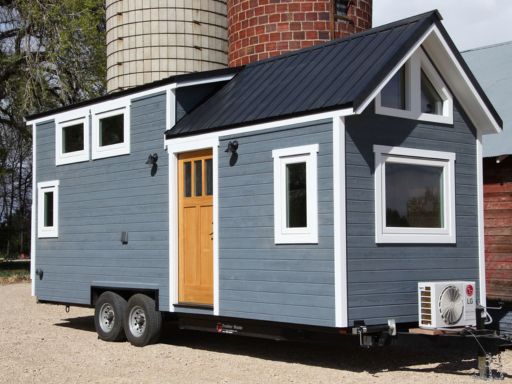
The Big Problem With Assembly-Line Trailers
What have you seen that happens when people treat equipment transportation services like a race to see who can spend the least amount of money? They go out and buy a cheap, basic utility trailer from a local weld shop because it saves them a few bucks upfront.
Then they load it up. Suddenly, they realize the metal supports under the floor are spaced too far apart. The heavy weight of their machinery completely bows the deck.
Here is what actually happens in the real world when you use the wrong tool for heavy equipment transport. Standard trailers are made for even loads, like a stack of lumber or boxes. But industrial equipment doesn’t work that way. A big machine might weigh eight tons, but all that weight sits on four small iron feet. If your trailer frame isn’t built right under those exact spots, the metal bends.
Once a steel frame begins to bend under a load, the welds start to crack. The axles lose their alignment. Suddenly, you are driving down the highway, and your trailer starts shaking and swaying violently because the weight is all wrong. That is how trucks end up flipped over in a ditch.
Why “Good Enough” is a Disaster for Tiny Houses and ADUs
This issue isn’t just for big industrial yellow machines. We see it constantly with homes right now. People are searching online for an ADU builder or a tiny home trailer, trying to put a rental house in their backyard or live on the road.
They spend $80,000 on nice interior kitchens, beautiful showers, and real wood siding. Then, they built this heavy house on top of a cheap, generic utility trailer frame they bought down the road.
Let’s think about the physics of that for a minute. A tiny home or a backyard ADU is a real house. It has stiff walls, glass windows, and rigid pipes. When you put that house on a trailer frame that twists, bends, and shakes every time you hit a pothole, what do you think happens to the house?
- The walls crack.
- The windows pop right out of their frames.
- The plumbing pipes under the floor snap and start leaking water.
- The doors stop closing because the whole house gets twisted out of shape.
At Trailer Made, we don’t build cheap utility trailers. We started the custom tiny house trailer industry because we saw people destroying their homes on bad foundations. Our frames are built specifically to act as a permanent, solid foundation. We use strong, cold-formed steel so that the trailer frame doesn’t bend, protecting your home for life. Whether you want a mobile business or are looking for a permanent adu for sale, the steel underneath matters most.
The Parts of a Real Custom Trailer
So, what actually makes custom equipment logistics different from a standard shop build? It comes down to real engineering, factory expertise, and knowing how trailers pull on the road.
When we design custom-built equipment trailers, we don’t just start cutting metal. We ask questions. What is the exact size of the machine? Where is the heaviest part? Do we need a lower deck to clear low bridges? Do you need specialized hauling services that can handle weird weight setups?
1. Axle Placement and Weight Ratings
Gross Vehicle Weight Rating (GVWR) is the total weight a trailer can hold safely. It is a hard rule. But even if your trailer is rated for the weight, bad axle placement will ruin how it rolls. If the axles are too far forward, the trailer will shake and swing wildly at 60 mph. If they are too far back, it pushes down too hard on your truck. Custom hauling means the axles are placed exactly where your gear’s weight sits.
2. Steel Quality and Floor Supports
We don’t use weak, cheap metal from the local scrap yard. Our designs use close support bars, often 12 or 16 inches apart, using premium high-tensile steel, so the floor never bends. If your equipment needs tie-down points, we weld heavy D-rings directly into the main frame, not just slapped onto the edge as an afterthought.
3. Rules, Codes, and Stamped Papers
If you are hauling gear for work, you can’t afford to get stopped by the police or DOT officers because your trailer looks like a backyard DIY project. Real custom hauling solutions are tested and stamped to meet real building and road codes (like ANSI and NOAH rules). It means your paperwork is clean, your insurance covers you, and your drivers stay safe.
Safe Hauling Requires Real Authority
There are plenty of small welding shops that can stick metal together. They can build something that looks like a trailer, spray it with black paint, and roll it out the door. But they aren’t teachers, they aren’t code experts, and they don’t give you a lifetime warranty. They don’t have thousands of trailers on the road proving their designs year after year.
We have spent years looking at broken frames, studying towing accidents, and working with legal teams to change how mobile houses and heavy decks are built. We’ve seen exactly where standard frames break under the stress of heavy hauling and highway bumps. That real builder experience goes into every piece of steel we touch.
Whether you need specialized machinery transportation for a big company or you’re an ADU builder who wants a foundation that won’t ruin your hard work on the drive, you have to prioritize safe equipment hauling. Do not leave your expensive assets riding on a cheap frame.
Stop settling for basic, off-the-lot trailers that weren’t made for your job. Get a trailer that is just as good as the cargo it carries.
Ready to stop crossing your fingers every time your truck hits the highway?
Visit Trailer Made Custom Trailers to start your build and get a real, engineered custom hauling solution built for the real world.
Frequently Asked Questions
How do tailor-made hauling solutions improve equipment transportation?
The short answer is usually better engineering, like most of the time. Standard trailers are built so they handle even loads, easy, right? But once you haul unique industrial machinery, or even a small house, the weight is almost always uneven in real life. That’s why made-to-measure hauling solutions matter; they line up the trailer frame, the axle placement, and the underfloor supports around the actual shape, plus the true load of what you’re carrying. Then the frame isn’t torsion-y, the weld seams don’t start cracking, and the trailer tracks straight, safe behind your truck.
What are the benefits of custom hauling services for heavy equipment?
The biggest benefit is, honestly, keeping your expensive gear safe. When you use a trailer built for heavy equipment transport, you stop damage before it ever happens to the trailer itself and to your gear, too. Custom trailers let you place tie-down hooks and support bars exactly where you want them, and not just where the “usual” holes are. Also, trailers built by an industry leader tend to come with real warranties like Trailer Made’s lifetime warranty, so you don’t end up paying extra for repairs or losing workdays.
Why choose specialized hauling for equipment transport?
Standard trailers can be risky when you’re moving heavy stuff or loads that are kind of awkwardly shaped. If your cargo is top-heavy, has sharp weight points, or needs to meet strict highway rules, a generic trailer can fail, and then you might get hit with problems from the DOT. With specialized hauling setups, you get a trailer that’s built to pass official safety codes, and it’s strong enough for the real-world bumps, turns, and potholes on the route.
How does customized equipment transportation enhance safety?
Safety on the highway comes down to balance and brakes. If a trailer’s axles are placed in the wrong spot on a standard assembly line, your load might make the trailer swing wildly at high speeds. Customized equipment transportation uses exact math to place high-quality axles and brakes right where they belong for your load. This keeps the trailer steady, stops sway, and ensures safe equipment hauling when you have to slam on the brakes.
What factors make tailor-made hauling solutions more efficient?
Efficiency is basically spending less time on the whole process; it loads up quicker, and it tends to improve gas mileage because the trailer pulls easier. You know, there’s less drag. Custom trailers can be made with particular ramps, a lower deck for easier loading, and even built-in tracks, so tightening down your gear is fast and pretty simple. Also, since the frame is built from premium steel instead of heavy, cheap iron, you end up with top strength without hauling along that extra dead weight all the way down the road.