Trailer Made Custom Trailers

Trailer Made Custom Trailer Logo

How Do Experts Turn Small Spaces Into Functional Dream Homes?

tiny home builders

Small-space living sounds simple on paper. Less square footage, fewer problems… right?

Not really.

The truth is, building a tiny home that actually works like it really works day-to-day takes serious planning. Smart decisions. And yeah, a few hard lessons most people only learn after messing things up once.

That’s where tiny home builders and real tiny house experts come in. The ones who’ve been doing this for years. Not just building something that looks good in photos, but something you can actually live in without losing your mind.

Let’s break it down. What they do differently. And why it matters way more than people think.

tiny home builders

Small Space Isn’t About Less. It’s About Being Smarter.

Most people assume tiny homes are just… scaled-down versions of regular houses.

They’re not.

You don’t just shrink things and call it a day. That approach fails fast.

Experts design tiny homes backward. They start with how you live.

  • Where do you sit every day?
  • How often do you cook?
  • Do you work from home?
  • Do you need storage or just think you do?

Every inch has a purpose. No filler.

That’s the difference between a cramped box and a functional space.

And honestly, this is where most DIY builds fall apart. People focus on aesthetics first, then layout. And this is the big mistake.

The Trailer Is Not Just a Base. It’s the Whole Foundation.

If your tiny house trailer isn’t built right, the rest of your home doesn’t matter.

You can have the best design in the world, premium interiors, expensive finishes… none of it saves you from a weak foundation.

A properly engineered tiny house trailer is built specifically for the weight, structure, and long-term movement of a tiny home. Not a modified utility trailer. Not something “close enough.”

This is where companies like Trailer Made stand out. They don’t treat trailers like an afterthought. It’s the starting point.

And it should be.

Because here’s what happens when people cut corners:

  • Frame flex over time
  • Uneven weight distribution
  • Structural stress cracks
  • Towing issues (which get dangerous, fast)

It doesn’t show up on day one. But it shows up.

And fixing it later? That’s expensive. Sometimes impossible.

Layout Is Everything. And Experts Obsess Over It.

You ever walk into a space and just feel like… something’s off?

That’s the layout.

Tiny house experts spend ridiculous amounts of time on layout. More than you’d expect.

Because in a small home, one bad decision ruins the flow.

A staircase in the wrong spot? You lose storage.
Kitchen too tight? You stop using it properly.
Bed placement off? Suddenly, your ceiling feels lower than it is.

It adds up.

That’s why experienced Tiny Home Builders don’t just design. They simulate real living.

They think about movement. Light. Reach. Even though doors open.

It’s not fancy. It’s practical.

Multi-Use Spaces Are Not Optional

In a traditional house, rooms have single purposes.

Living room. Bedroom. Office.

In a tiny home? That mindset doesn’t work.

Everything needs to do more than one job.

A bench becomes storage.
A table folds away.
A staircase doubles as cabinets.

Sometimes, even walls are designed to shift or open.

This is where smart design really shines. And where most build your own tiny house kit plans try to help, but not all of them get it right.

Some kits look good online, but in real life, they miss the mark on usability.

That’s why working with actual tiny house experts or choosing a well-designed system matters.

Storage Is Hidden. Everywhere.

Here’s the thing, people don’t expect.

Tiny homes don’t feel small when storage is done right.

And experts are… honestly kind of obsessive about it.

They use:

  • Under-floor compartments
  • Built-in shelving in dead spaces
  • Vertical storage most people ignore
  • Hidden cabinets you wouldn’t notice

Nothing is wasted.

Because if you don’t plan storage properly, clutter shows up fast. And once it does, the whole “minimal living” idea goes out the window.

Light Changes Everything

This part gets overlooked a lot.

Natural light can make a tiny home feel twice its size. No exaggeration.

Experts use window placement strategically. Not just “add more windows,” but placing them where they matter.

Above eye level. Across from each other. Near work areas.

It creates openness. Airiness.

Bad lighting? The opposite happens. Even a well-built home starts to feel tight and closed in.

Mobility vs Permanent Setup (ADU Thinking)

Not every tiny home is meant to move.

Some are built as ADU trailers / ADU foundation setups, basically small homes placed on properties for long-term living.

This is where things shift.

If mobility matters, weight distribution and aerodynamics come into play.

If it’s more of an ADU for sale setup, then stability, anchoring, and local regulations become more important.

Experienced builders know how to design for both scenarios.

And honestly, choosing the wrong setup for your lifestyle? That’s one of the biggest mistakes people make early on.

Why “Cheap” Builds Cost More Later

Let’s talk about it.

Everyone wants to save money up front. Makes sense. But in tiny homes, cheap decisions usually come back harder.

Especially with trailers.

You might save a few thousand using a non-engineered base. But over time?

  • Repairs. 
  • Reinforcements. 
  • Structural fixes.

And sometimes, starting over.

That’s why experienced tiny house experts push for quality from day one.

Not because it sounds good in marketing. But because they’ve seen what happens when people don’t.

Build Your Own Tiny House Kit – Good Idea or Risk?

The short answer? It depends.

A solid build your own tiny house kit can be a great starting point. Especially if it’s backed by real design expertise.

But not all kits are equal.

Some are just basic plans with no real-world testing. Others are engineered systems designed for actual living.

The difference shows up during the build. And after.

If you go this route, make sure:

  • The trailer is engineered for tiny homes
  • Plans account for real use, not just visuals
  • Support or guidance is available

Otherwise, you’re guessing your way through a project that doesn’t leave much room for mistakes.

Real Expertise Shows in the Details

Here’s something people don’t notice until later.

Expert builders think about things you wouldn’t even consider.

  • How insulation performs in different climates
  • Where moisture might build up
  • Electrical layouts that don’t feel cramped
  • Plumbing that’s actually accessible for maintenance

It’s not flashy stuff.

But it’s the difference between a home that works for years… and one that slowly becomes a problem.

Why Trailer Made Trailers Stands Out

When you look at experienced tiny home builders, one thing becomes clear.

The best ones don’t compromise on the foundation.

Trailer Made focuses heavily on engineered trailer systems built specifically for tiny homes and ADUs.

Not adapted. Not repurposed. Built for the job.

That matters.

Because everything else sits on top of it.

And when the base is right, everything else becomes easier, stronger, and more reliable.

Final Thoughts

Tiny homes are simple… until they’re not.

They demand more planning, not less.

They require smarter decisions, not shortcuts.

And they absolutely depend on the right foundation.

The difference between a dream tiny home and a frustrating one usually comes down to this:

Did you treat it like a serious build? Or just a small project?

Because it’s not small. It’s just compact.

Ready to Build It Right?

If you’re serious about building a tiny home that actually works long-term, don’t cut corners where it matters most.

Start with the right base. Work with real experts. Think beyond the surface.

FAQs

What do tiny home builders focus on when designing functional small homes?

Tiny home designers prioritize space, storage, and functionality. It’s not about “storing things” in a tiny home; it’s about making it function like a normal home. Designers look for flow, daylight, and versatility to avoid awkward and wasteful spaces.

Why do you need an engineered tiny house trailer?

A tiny house trailer is designed to support the structure and weight of a tiny house. It’s designed to balance, withstand, and remain safe over time. Without one, problems such as trailer frame stress, poor towing, and damage may occur.

Can you build your own tiny house kits?

Building your own tiny house kits can be successful if well-designed and engineered. It’s important to select a kit with a solid foundation, functional design, and good value. If not well designed, kits can cause more trouble than they save during and after construction

What’s the difference between an ADU trailer and a foundation?

An ADU trailer can be transported or semi-permanently set up, whereas a foundation is a permanent structure. ADU trailers are mobile, but they also need to be engineered for stability and safety and meet local building codes.

Why is it important not to cut corners on a tiny home?

Shortcuts in tiny homes, particularly with the trailer and structure, could result in costlier repairs in the future. Experts prioritize cost savings in the long run because it’s harder to fix problems after they have been built.

Why Most Tiny House Builds Fail (And How to Get the Foundation Right)

trailermadetrailers

Layout. Windows. Finishes. Aesthetics.

That’s where the attention goes.

But none of that matters if the structure underneath isn’t right.

👉 Because the trailer isn’t just something you set a house on.

It is the foundation.

A Tiny House Trailer Is a Structural System

A properly built, engineered tiny house trailer is designed to:

  • carry real housing loads
  • handle road movement and stress
  • maintain structural integrity over time
  • support full-time living

This isn’t just welded steel.

It’s engineering.

And when that part is wrong, everything above it eventually pays the price.

Common Mistakes That Lead to Failed Builds

1. Using a Standard Utility Trailer

Utility trailers are built for hauling—not housing.

That leads to:

  • frame flex
  • sagging floors
  • structural cracking

2. Ignoring Engineering Standards

If your trailer isn’t built to standards like:

  • IRC
  • ANSI
  • NOAH

You’re taking a serious risk.

This affects:

  • inspections
  • insurance
  • financing
  • long-term safety

3. Underestimating Weight

Tiny homes are heavy.

Without proper load design:

  • frames twist
  • doors and windows shift
  • stress builds over time

4. Designing for Day One Instead of Year Five

A build that looks good today
isn’t always a build that performs long-term.

Movement, weather, and use all add up.

Why the Trailer Is the Most Important Decision

Trying to save money on your trailer is one of the most expensive mistakes you can make.

Because when it fails:

👉 you’re not fixing a part
👉 you’re fixing the entire structure

—or rebuilding it entirely.

What to Look for in an Engineered Tiny House Trailer

If you’re serious about building, focus on this:

✔ Engineered Design

Load calculations, reinforced framing, proper axle placement.

✔ Built Specifically for Tiny Homes

Not repurposed. Not modified after the fact.

✔ Code Compliance

IRC, ANSI, NOAH standards matter for:

  • safety
  • legality
  • resale value

✔ Long-Term Durability

Your foundation must handle:

  • movement
  • weather
  • structural load

✔ A Real Warranty

A lifetime warranty shows real accountability.

Where Trailer Made Custom Trailers Fits In

At Trailer Made, we don’t just build trailers.

👉 We build engineered foundations for tiny homes and ADUs

  • Designed to IRC / ANSI / NOAH standards
  • Built specifically for housing loads
  • Used in thousands of builds nationwide
  • Backed by a lifetime warranty

We’ve seen where builds fail—and we build to prevent it.

DIY Builders and Tiny House Kits

If you’re planning to:

👉 build your own tiny house kit

That’s a great path.

But here’s the reality:

  • A great kit on a weak trailer = problems
  • A strong foundation + solid plan = success

The trailer is the decision that makes everything else easier.

ADUs and Mobile Foundations

Backyard ADUs are growing fast.

And more people are looking at:
👉 mobile ADU foundations and trailer-based systems

But the same rule applies:

👉 If the foundation isn’t engineered properly, nothing else holds up.

Sustainable Living Starts with Structural Longevity

Sustainability isn’t just:

  • solar panels
  • reclaimed materials
  • energy efficiency

It’s also:

👉 building something that lasts

A structure that performs for 20+ years
is far more sustainable than one that fails early.

The Bottom Line

Tiny homes and ADUs give people more control than ever.

But the success of your build comes down to one decision:

👉 the foundation

Get it right—and everything else becomes easier
Get it wrong—and you’re fixing problems for years

Ready to Start Your Build the Right Way?

Before you choose layouts, finishes, or kits…

👉 start with the foundation

Watch how engineered tiny house trailers are actually built:
https://youtu.be/4P0lp9tMp2g

Best Trailer Options Available for Small Home Construction

build your own tiny house kit

If you’ve ever stood in front of a half-built tiny house and thought, “Man… this whole thing is only as strong as what it’s sitting on,” then you already get the point of this whole article. A tiny home isn’t just walls and windows. It’s not the cute loft bed. It’s not the shiplap. It’s the trailer. The foundation. And if you choose the wrong foundation, well… you’ll feel that mistake every single mile you tow it.

So let’s dig into the best trailer options out there for small home construction. We’ll walk you through what actually matters, why engineered tiny house trailers matter more than you think, and why the folks who try to “save money” by skipping quality usually end up paying double later.

And yes, if you’re planning to build your own tiny house kit or you’re fiddling with the idea of grabbing a pre-built ADU for sale, all of this still matters. The trailer is the difference between safe and sketchy. Between long-term stability and “why is everything shaking when we walk?”

Let’s get into it.

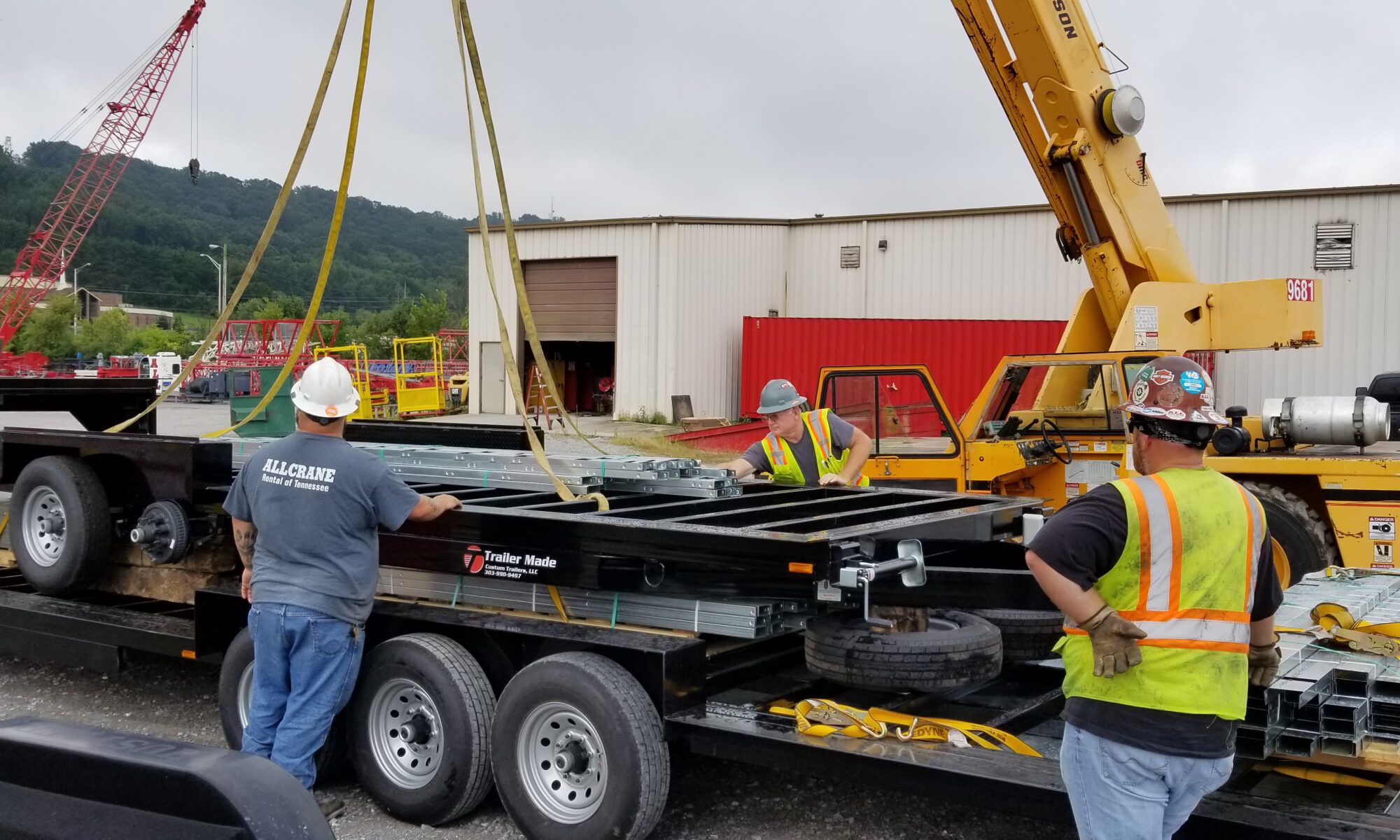
Tiny house trailer frame engineered for small homes

Why Trailers Matter More Than the House You Put On Them

People love obsessing over interior layouts. They argue about cedar vs. pine. They lose sleep over window placement. But hardly anyone gets fired up about the trailer.

That’s backwards.

The truth is: your trailer is the core structural element of your tiny home. You can build the prettiest house in the world, but if it’s riding on something weak, cheap, or not engineered for the load, you’re basically building a ticking headache.

A proper tiny house trailer does three big things:

  1. Carries the entire weight, dead load, and live load (that means furniture + people + weather + all the weird stuff life throws at it).
  2. Keeps the structure from flexing, shifting, or twisting over time.
  3. Keeps your home safe at highway speeds, which, if you’ve ever towed anything large, is no joke.

Cheap trailers look the same to the untrained eye. But under the surface? Different universe.

This is where engineered tiny house trailers come in, especially ones built by companies that know what tiny homes actually need. Trailer Made Custom Trailers is one of the few that designs their frames specifically for tiny houses and ADUs, not for hauling lawn mowers or junk cars.

Choosing a Trailer: What Actually Matters 

There’s a lot of noise in the tiny home world. People post their DIY builds like they’re all master fabricators. Some are. A lot aren’t.

So here’s the short, blunt list of what you need to look for.

1. Engineered Weight Rating

If you care about safety (or want to avoid your home sagging in two years), you need engineered load ratings, not guesses. A real tiny house trailer manufacturer will give you:

  • True structural load capacity
  • Axle ratings that match the total finished weight
  • A frame designed to eliminate flex

If someone shrugs and says, “Yeah, it should hold it” walk away.

2. Integrated Steel Floor System

A lot of builders skip this. Big mistake.

A trailer with an integrated steel floor or drop-axle frame keeps the center of gravity low, which:

  • Makes towing safer
  • Reduces sway
  • Saves you inches inside the house

That might sound small, but in a tiny home, inches are basically gold.

3. Proper Tie-Down Points

If your trailer doesn’t give you places to bolt the house directly into the frame, you’re building on hope and faith. You need engineered anchors, not welds that “look strong.”

4. Long-Term Value, Not Sticker Price

The cheapest trailer is almost always the worst option. It costs you more in repairs, upgrades, and structural problems later. The short answer is cheap out now, pay double later.

A quality tiny house trailer actually saves money in the long run.

Trailer Types: What’s Best for Tiny Homes?

Let’s go through the main options you’ll see when trying to build your own tiny house kit or ADU.

1. Deckover Trailers

Good for hauling equipment.
Not so great for tiny homes. The deck height is too tall, which steals precious interior space. Your loft ends up way too close to the ceiling, and you’re basically crawling around like a cat. Hard pass.

2. Car Hauler Trailers

People try using these all the time because they’re cheap.
But here’s the deal: they’re not engineered for tiny home loads, and they’re definitely not built for long-term structural stress.

They flex. They twist. They sag.
And that’s how walls crack.

3. Utility Trailers

Same story. Not designed for house loads. Completely wrong tool for the job.

**4. Tiny House Trailers (Engineered-Grade)

This is the gold standard.

A true tiny house trailer like the ones from Trailer Made Custom Trailers is engineered specifically for:

  • Heavy, static load
  • Multi-axis stress
  • Long-term living
  • Safe highway towing

They have integrated leveling jacks, steel floor systems, drop axles, and connection points that actually support a house. This is the one you want if you want your small home to last for decades.

5. Gooseneck Tiny House Trailers

If you want more space and better towing stability, a gooseneck is a dream.

You get:

  • Extra square footage in the raised area
  • Better weight distribution
  • A smoother ride
  • Easier control at highway speeds

Goosenecks aren’t necessary for every build, but if you’re planning something bigger, they’re worth it.

Why Trailer Made Custom Trailers Leads the Industry

Here’s the straight truth: a lot of companies build trailers. Not many build tiny house trailers.

Trailer Made Custom Trailers has built a reputation because they do the engineering, the testing, the real work. They’re not guessing. They’re not repurposing. They’re building frames specifically for tiny houses, ADUs, and small mobile structures.

Some quick reasons they’re the go-to pick:

1. Fully Engineered Frames

They’re not slapping steel together and calling it good. Everything is calculated: weight, stress, load paths, axle placement.

2. Built for Long-Term Living

Tiny houses aren’t weekend toys. They’re homes. They’re meant to last, move, and withstand real-world conditions.

3. No “Cutting Corners” Manufacturing

Every weld, every joint, every steel choice is designed for durability. You get what you pay for and this is one of the rare cases where more expensive is genuinely worth it.

4. Ideal for DIY Builders

If you’re planning to build your own tiny house kit, starting with a proper foundation makes everything easier. Way easier. You won’t fight sagging joists, weird leveling, or weak anchoring.

5. Perfect for ADUs

If you’re flipping an ADU for sale, or planning to add one to your property, a solid trailer is the best insurance policy you’ll ever buy. Buyers expect stability. Inspectors expect real engineering.

Common Mistakes People Make with Tiny House Trailers

Let’s go over the mistakes I see constantly. Hopefully, it saves you a headache or three.

Mistake #1: Buying the Cheapest Trailer Possible

I get it. Budgets are tight. But this is not the place to pinch pennies. A cheap trailer will flex, which ruins the house. Period.

Mistake #2: Ignoring Weight Calculations

People think tiny homes weigh the same as a cargo trailer. Nope. They weigh as much as a small cabin.

Mistake #3: Using a Random Trailer Brand Not Built for Homes

A trailer built for hauling ATVs isn’t built for the stress of daily living, plumbing, wall weight, or roof loads. Totally different purpose.

Mistake #4: No Planning for Utilities

Good engineered tiny house trailers come ready for plumbing passes, electrical paths, and insulation so you’re not cutting through steel later.

Mistake #5: Assuming “Steel Is Steel”

Just because a trailer looks strong doesn’t mean it’s structurally engineered for a home.

Best Trailer Options for Small Home Builders (Ranked)

If I had to rank what people should actually buy:

  • Engineered Tiny House Trailer (Top Pick): Best for pros and first-time builders. Reliable, long-term, made for houses.
  • Gooseneck Tiny House Trailer: Best for larger builds or folks who want maximum towing stability.
  • Standard Flatbed, but Only if Engineered for Tiny Homes: Good middle option if you don’t need a gooseneck but want quality.

Everything else… just skip it. If it’s not engineered for tiny houses, it’s not worth betting your home on.

Why Your Foundation Determines Your Home’s Lifespan

You can remodel kitchens. Replace siding. Fix roofs. But your trailer? That’s forever. It’s the backbone of your entire structure.

A high-quality trailer:

  • Prevents wall cracks
  • Improves insulation stability
  • Keeps plumbing and electrical lines secure
  • Makes towing way safer
  • Holds value when you resell

A bad trailer does the opposite. You’ll feel every bump. You’ll hear creaks. You’ll constantly re-level your home. Worst case? Structural failure.

This is why builders who care always choose engineered frames like those from Trailer Made Custom Trailers.

Final Thoughts: Don’t Gamble With Your Foundation

Look, tiny homes and ADUs are great. They’re efficient, flexible, and smart. But the smartest thing you can do is start with the right trailer.

Whether you’re using a build-your-own tiny house kit, designing a custom ADU, or picking up an ADU for sale from a builder, your trailer determines everything that follows.

A strong tiny house begins with a strong foundation. If you want that foundation to last, choose the right manufacturer. Choose engineering. Choose long-term value.

Choose Trailer Made.

Ready to Start Your Tiny Home Build?

If you’re serious about doing this right, start with the best foundation in the industry.

Visit Trailer Made Trailers to start your build.

FAQs

1. What kind of trailer is best if I want to build your own tiny house kit?

For anyone planning to build your own tiny house kit, an engineered tiny house trailer is absolutely the best choice. These trailers handle the weight, the plumbing, the movement, and the long-term stresses that regular utility trailers simply can’t deal with. A tiny house needs a real foundation, not a repurposed hauler.

2. Are tiny house trailers and tiny house trailers the same thing?

Not at all. One is built for hauling cargo. The other is built to support a home. Tiny house trailers have engineered load paths, better steel, and structural designs meant to carry heavy, static loads over long periods without sagging or flexing.

3. How long do engineered tiny house trailers last?

A good tiny house trailer can last decades. We’re talking 30+ years with proper maintenance. The steel, welding, and engineering all work together to prevent structural fatigue. Cheap trailers don’t come close to this lifespan.

4. Are gooseneck tiny house trailers worth the upgrade?

If you want more floorspace, better towing, and a more stable ride, yes. A gooseneck gives you a raised bedroom area and smoother highway performance. They cost more, but the usability boost is huge.

5. Why shouldn’t I just build a tiny home on a regular flatbed trailer?

Because flatbeds aren’t engineered for the weight or stress of a house. They flex too much and lack proper anchor points. Your walls will feel it. Your floors will feel it. And someday, your wallet will feel it too.

Why Frame Kits Are the Smart Choice for Building Small Homes

build your own tiny house kit

Building a small home sounds simple. Cute, even. But if you’ve ever actually tried to turn a tiny house dream into something that sits on a foundation or a trailer, you learn real fast that the “simple” idea can turn messy, expensive, and honestly kind of overwhelming. People imagine a weekend project. A cozy little cabin on wheels. Then they meet reality: engineering requirements, weight loads, codes, sourcing lumber, finding a weld shop that doesn’t ghost you, and trying to put square walls on a frame that… well… isn’t square.

That’s why tiny home frame kits came into the picture. And why they’re becoming the smartest move for anyone who wants to build your own tiny house kit without losing their sanity or their savings.

I’ll be straight: most of the problems people face in tiny home builds start at the base. The trailer. The frame. The structure under everything. And when that part goes wrong, everything on top goes wrong too. You can’t out-build a bad foundation.

So yeah, frame kits matter. More than people think.

Let’s break it down.

build your own tiny house kit

The Real Reason Frame Kits Took Off 

There’s this idea floating around that tiny homes “just grew popular because of TV shows.” You know the ones, beautiful homes built in a week by crews you never see. But that’s not why frame kits matter. The truth is simple: tiny homes got more complicated, not less.

People wanted bigger bathrooms, skylights, lofts that didn’t feel like coffins, better insulation, real windows… basically, they wanted small homes that lived like normal homes. And that meant builds got heavier, more technical, more code-dependent.

A basic hardware-store trailer wasn’t going to cut it anymore.
Random lumber from a sketchy yard? Also, not cutting it.

Enter: tiny home frame kits. Pre-engineered. Purpose-built. Designed so the thing doesn’t twist, flex, or fall apart the first time you hit a pothole.

Frame kits didn’t grow because of trends. They grew because DIY builders needed something that didn’t fight them at every step.

Why Starting With a Proper Frame Saves You Thousands 

Look, I’ve met a lot of DIYers. Some brilliant. Some… well, enthusiastic. And the same pattern shows up over and over:

They start with a cheap trailer.
They “figure it out.”
Halfway through the build, something’s wrong. The walls don’t square. The doors don’t hang right. Roofline slopes weird. Or the trailer is flexing more than a diving board in summer.

Then they restart. Or reinforce. Or call someone like Trailer Made to fix it, which, let’s be honest, costs more than starting with the right thing in the first place.

The truth? Cutting corners on the frame is like cutting corners on your spine.

Everything depends on it.
Every screw. Every window. Every bit of plumbing that shouldn’t crack because your house wiggles going down the road.

A purpose-engineered frame means:

  • You’re not guessing about load distribution.
  • You’re not fighting warping that shows up months later.
  • You’re not rebuilding walls because the base shifted.
  • You’re not blowing your budget on “surprise fixes.”

It just works. And that’s worth more than people think until it goes wrong.

Why Tiny Home Frame Kits Beat Raw Lumber Every Day of the Week

Let’s get into the good stuff.

Most folks assume they can DIY their tiny home structure from raw materials. Sure, you can. But should you? That’s another story.

Reason 1: Consistency

Lumber from big-box stores is, uh, let’s say… unpredictable. Some boards look straight until you lay them flat. Some arrive warped like they spent a week on a sauna floor. A frame kit is engineered, cut, and welded with precision, and you’re not fighting warped materials.

Reason 2: You save time. Real-time.

People underestimate how long it takes to source materials, prep them, cut them, square them, fix mistakes, redo cuts, recut them again…
Frame kits drop in, ready to assemble.

Reason 3: Weight matters. A lot.

Tiny homes that aren’t engineered often end up overweight by thousands of pounds. They ride poorly, tow dangerously, and strain everything from axles to tongues. A proper frame kit keeps weight where it should be.

Reason 4: No guesswork

You get a blueprint. A system. A structure built on experience, not on someone’s third YouTube tutorial.

And yeah, engineered trailers matter even more. If the base trailer isn’t designed for tiny home loads, you’re building a house on hope.

What Makes Trailer Made’s Frame Kits Different? 

You’ll see a lot of companies talk about “quality.” It’s become one of those words that people throw around like seasoning. Sprinkle it on and hope it adds flavor.

Trailer Made does things differently. Been doing this long before tiny homes became mainstream. They focus on engineering first. And that’s the part most companies skip because it’s expensive, time-consuming, and harder than just welding steel into a rectangle and calling it good.

Engineered trailers

This is the biggest difference. These aren’t converted flatbeds. They’re not farm trailers pretending to be tiny home foundations.

They’re purpose-built: load-rated, stress-tested, flex-balanced.

If you’ve never seen what happens when a non-engineered trailer hits highway wind at 70 mph with a tiny home on it… Trust me, you don’t want to.

Long-term durability

A tiny home isn’t just a weekend camper. People live in these things. Full-time. With water, appliances, humidity, shifting temperatures, all the stuff that stresses materials. A well-engineered frame handles it.

Customization

Every builder has a different plan. Loft height, bump-outs, rooftop decks, you name it. Trailer Made designs frames to match the build, not force the build to fit the frame.

Value that lasts

Cheap frames cost more in the long run.
Repairs. Rebuilds. Structural fixes.
A Trailer Made frame kit? It outlives the rest of the home.

Honestly, you should never gamble the entire house on the part that holds up the house.

Frame Kits Make Building Your Own Tiny Home Not Just Possible, But Actually Enjoyable

People love the idea of building a house with their own hands. And that’s great. But nobody loves the feeling of staring at a crooked frame while wondering where everything went wrong.

A solid tiny home frame kit gives you:

  • A clean starting point
  • A flatter learning curve
  • A safer structure
  • More accurate finishing work
  • Less wasted lumber (and money)
  • A build you’re actually proud to show off

It’s like stepping into a game on Level 3 instead of Level 1. Still a challenge, still fun, but you’re not dying every 10 minutes.

A Frame Kit Doesn’t Make You “Less of a DIYer” It Makes You Smarter

There’s a weird pride thing out there. Some folks think using a kit means they “didn’t build it themselves.”
No.
You’re still building it. All of it. Walls, insulation, wiring, finishes, everything.

The kit just gives you a professional-grade skeleton instead of a gamble.

Think of it like using a surgeon’s scalpel instead of a rusty pocketknife. Same skill. Better outcome.

Why the Smartest Builders Start With the Frame Kit AND the Right Trailer

And yes, both matter.
I’ve seen people buy great frame kits and put them on questionable trailers. It’s like putting a Ferrari engine in a lawnmower.

Trailer Made Custom Trailers are built for this industry. That’s not marketing talk. That’s years of design, testing, failures, improvements, and more improvements stacked on top of those.

You want your tiny home to tow straight?
Stay stable?
Sit level for decades?
Avoid cracks and separation?
Resist twisting from wind and roads?

Then the trailer matters. Probably more than anything else.

Why Frame Kits Are the Future (Even for Pros)

It’s not just DIYers using frame kits anymore.
Pro builders want consistency. Repeatability. Savings. Predictability.

ADU builder, tiny home companies, van conversion shops, everyone’s moving toward engineered kits because time is money, and mistakes are liability.

A kit eliminates 90% of the problems before they begin.

And when you pair that with Trailer Made, you get something that lasts decades, not seasons.

So… Are Frame Kits Worth It?

Short answer? Yes.
Long answer? Absolutely yes, unless you enjoy stress.

They cost more upfront than trying to piece things together yourself. But they save you 10x the cost in time, waste, repairs, rework, and frankly regrettable mistakes.

If you want a small home that’s safe, long-lasting, towable, insurable, and something you’re proud to show anyone… frame kits are the smart choice.

And Trailer Made? They’re the ones pushing the industry further, faster, and safer than anyone else.

Ready to Start Your Build?

If you’re serious about building a tiny home that stays solid for the long haul, start with the right frame and the right trailer.

👉 Visit Trailer Made Trailers to start your build.

Your tiny home deserves a foundation built to last. Don’t settle for anything less.

FAQs 

1. Are tiny home frame kits really better than building from scratch?

Yes, frame kits are stronger, straighter, and way more reliable than scratch-built frames. With tiny home frame kits, you skip warped lumber, bad measurements, and guesswork. They’re engineered, which means your home lasts longer and performs better on the road.

2. Can beginners actually build their own tiny house kit safely?

Absolutely. A build your own tiny house kit gives you a stable foundation and a clear roadmap, so you’re not reinventing the wheel. You still do the full build walls, finishes, everything, but you’re not fighting structural issues from day one.

3. Why does the trailer matter so much for small homes?

Because the trailer IS the foundation. An engineered tiny home trailer distributes weight correctly, prevents frame twisting, and keeps your home safe during towing. Companies like Trailer Made design trailers specifically for tiny home loads, not just modified flatbeds.

4. How long do tiny home frame kits last?

A good frame kit, especially one paired with an engineered trailer, lasts decades. Steel framing doesn’t warp like wood, and an engineered base keeps the home structurally sound even with full-time living conditions.

5. Are frame kits cheaper in the long run?

Yep. They reduce mistakes, rebuilds, wasted materials, and long-term structural issues. Upfront cost is higher, but lifetime cost is far lower. You basically buy peace of mind and a house that won’t sag, twist, or fall apart.

What Are the Requirements for a Code-Approved Tiny Home?

legal tiny house

Tiny houses are a movement, not only a fad. Tiny living can be an innovative and motivating option, whether your interests are in simplifying your life, lowering your environmental impact, or gaining more financial freedom. Though if you mean business about constructing a tiny home that is legal, liveable, and long-lasting, there is one thing you cannot skip: ensuring it is code-approved.

So what precisely does that entail? And what qualifies a code approved tiny home? Let’s simplify everything so you can concentrate on realising your dream free of legal or safety obstacles.

code approved tiny home

First Things First: What Is a Code-Approved Tiny Home?

Just like a conventional house, a code-approved tiny home fits local, state, and national building codes. These codes are meant to guarantee that houses are liveable, safe, and structurally sound. The catch is that depending on where you live and whether your tiny home is on wheels or on a foundation, building codes differ.

Starting with a clear knowledge of the laws in your region and constructing your tiny house the correct way from the ground up—or from the trailer up is therefore crucial.

Key Building Codes to Know

Here are some of the most common codes and standards that might apply to your tiny home:

1. IRC (International Residential Code)

The IRC is a national standard for home construction. In recent years, it’s been updated to include guidelines specifically for tiny homes—typically those that are built on a foundation.

IRC guidelines address things like:

  • Minimum ceiling heights (at least 6 feet 8 inches in main areas)
  • Stair safety
  • Emergency exit access
  • Plumbing and electrical systems

Not every state or city has adopted the latest IRC tiny home provisions, so be sure to check what version your local building department uses.

2. Appendix Q (Tiny Houses)

Appendix Q is a special section of the IRC created just for tiny houses under 400 square feet. It makes building a code approved tiny home more realistic by adjusting requirements that would otherwise make tiny living nearly impossible—like ceiling height and stair dimensions.

Many states and cities have now adopted Appendix Q, but not all of them have. If your location hasn’t adopted it, your build might need to follow traditional residential codes instead, which can be trickier.

3. Zoning Codes

Zoning controls how you may use and where you can put your tiny house. You still have to verify zoning rules, even if your construction satisfies all structural codes, to ensure your tiny home is permitted on your land or in your preferred area.

While some places have rules regarding whether houses can be mobile or minimum square size requirements, others only permit tiny homes as accessory dwelling units (ADUs).

What About Tiny Homes on Wheels?

Tiny homes on wheels (THOWs) are sometimes handled differently because they are technically classified as RVs or trailers. In many areas, that implies you can’t live in them full-time, or you might be limited to parking them in allocated RV parks or backyards as guest units.

If you’re building a THOW, your structure may need to comply with:

  • The RVIA (Recreational Vehicle Industry Association) standards
  • Local transportation laws for size and weight limits
  • DOT (Department of Transportation) regulations for lights, brakes, and road safety

This is one of the reasons why working with experts who understand tiny home trailers can save you time and trouble.

Materials and Framing Matter, Too

Code approval is about how your tiny home is physically constructed, not only about paperwork. Your house is safer and more likely to pass inspection if you use high-quality, long-lasting materials.

Many do-it-yourselfers opt to build your own tiny house kit for that very reason. Kits give you pre-engineered framing and parts that are more likely to pass inspection and simpler to put together.

Cold-formed steel (CFS) framing, for instance, is growingly popular as a substitute for wood. Lightweight, fire-resistant, and pest-proof. Best of all, it is frequently made to precise code requirements—that is, less hassle when it comes time for approval.

Pro Tips to Get Your Tiny Home Approved

If you want your tiny home to be safe, legal, and stress-free, here are a few friendly tips to keep in mind:

1. Start with a Trailer Built for Tiny Homes

Not every trailer will suffice. Meeting weight, balance, and durability criteria calls for a strong, purpose-built basis. Trailer Made focuses on bespoke tiny house trailers built with code compliance in mind from the beginning.

2. Talk to Your Local Building Department Early

Don’t wait until your house is half-built. To know precisely what rules apply in your region, call your neighbourhood building or planning office right away. This straightforward action could spare you from making time-consuming or costly modifications later.

3. Work with Trusted Suppliers

A smooth build versus a frustrating one can be influenced by selecting quality components from respected manufacturers. Whether you’re buying your trailer, framing, or complete build, your own small house kit, choose businesses that have a history of success and knowledge of tiny homes.

4. Keep Good Records

Document everything: the specs of your trailer, the materials you use, and any approvals or permits you receive along the way. This will make inspections and certifications much easier to manage—and prove that you’re following the rules.

code approved tiny home

Bringing It All Together

Building a tiny house with code approval need not be daunting. With the correct planning, materials, and assistance, you can build a comfortable, custom, and totally compliant house.

Trailer Made is here to assist if you are prepared to begin. From a full build your own tiny house kit to a bespoke tiny house trailer, they have the knowledge and tools to get you rolling literally.

Ready to build smart from the ground up? Explore tiny house trailers and kits at Trailer Made.

Frequently Asked Questions About Code-Approved Tiny Homes

1. Do I really need to follow building codes? 

Yes! Codes help ensure that your tiny home is safe, livable, and legal. Skipping them can result in fines or the forced removal of your home.

2. Can I live full-time in a tiny home on wheels?

It depends on local laws. Some places allow it, others don’t. Always check with your city or county before making the move.

3. Why use a build your own tiny house kit?

Kits make building easier and faster. They come with pre-cut parts that are more likely to meet code, which is great for DIYers who want less hassle.

4. Why is the trailer so important?

Your trailer is your foundation. A tiny house trailer (like the ones from Trailer Made) is built to handle the weight and meet safety rules. It’s the smart place to start.

Final Thoughts

Living tiny can be a great adventure—but only if your foundation is strong, your materials are consistent, and your home is built to code. Understanding the laws and selecting the appropriate partners will help you avoid the tension and experience the freedom and happiness that tiny living offers.

Let your dream start on a trailer built for greatness—and let Trailer Made help you make it happen.