Small-space living sounds simple on paper. Less square footage, fewer problems… right?
Not really.
The truth is, building a tiny home that actually works like it really works day-to-day takes serious planning. Smart decisions. And yeah, a few hard lessons most people only learn after messing things up once.
That’s where tiny home builders and real tiny house experts come in. The ones who’ve been doing this for years. Not just building something that looks good in photos, but something you can actually live in without losing your mind.
Let’s break it down. What they do differently. And why it matters way more than people think.
Small Space Isn’t About Less. It’s About Being Smarter.
Most people assume tiny homes are just… scaled-down versions of regular houses.
They’re not.
You don’t just shrink things and call it a day. That approach fails fast.
Experts design tiny homes backward. They start with how you live.
- Where do you sit every day?
- How often do you cook?
- Do you work from home?
- Do you need storage or just think you do?
Every inch has a purpose. No filler.
That’s the difference between a cramped box and a functional space.
And honestly, this is where most DIY builds fall apart. People focus on aesthetics first, then layout. And this is the big mistake.
The Trailer Is Not Just a Base. It’s the Whole Foundation.
If your tiny house trailer isn’t built right, the rest of your home doesn’t matter.
You can have the best design in the world, premium interiors, expensive finishes… none of it saves you from a weak foundation.
A properly engineered tiny house trailer is built specifically for the weight, structure, and long-term movement of a tiny home. Not a modified utility trailer. Not something “close enough.”
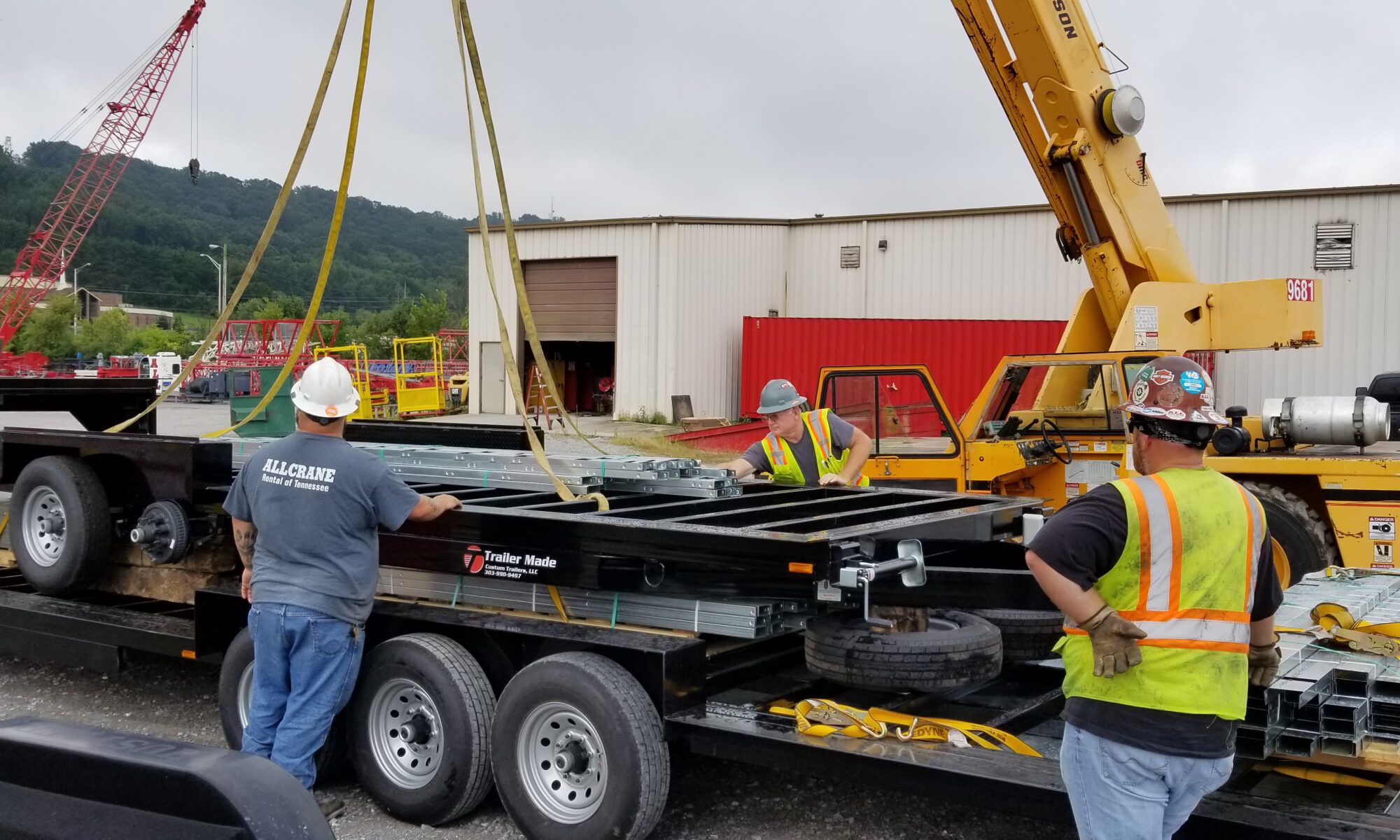
This is where companies like Trailer Made stand out. They don’t treat trailers like an afterthought. It’s the starting point.
And it should be.
Because here’s what happens when people cut corners:
- Frame flex over time
- Uneven weight distribution
- Structural stress cracks
- Towing issues (which get dangerous, fast)
It doesn’t show up on day one. But it shows up.
And fixing it later? That’s expensive. Sometimes impossible.
Layout Is Everything. And Experts Obsess Over It.
You ever walk into a space and just feel like… something’s off?
That’s the layout.
Tiny house experts spend ridiculous amounts of time on layout. More than you’d expect.
Because in a small home, one bad decision ruins the flow.
A staircase in the wrong spot? You lose storage.
Kitchen too tight? You stop using it properly.
Bed placement off? Suddenly, your ceiling feels lower than it is.
It adds up.
That’s why experienced Tiny Home Builders don’t just design. They simulate real living.
They think about movement. Light. Reach. Even though doors open.
It’s not fancy. It’s practical.
Multi-Use Spaces Are Not Optional
In a traditional house, rooms have single purposes.
Living room. Bedroom. Office.
In a tiny home? That mindset doesn’t work.
Everything needs to do more than one job.
A bench becomes storage.
A table folds away.
A staircase doubles as cabinets.
Sometimes, even walls are designed to shift or open.
This is where smart design really shines. And where most build your own tiny house kit plans try to help, but not all of them get it right.
Some kits look good online, but in real life, they miss the mark on usability.
That’s why working with actual tiny house experts or choosing a well-designed system matters.
Storage Is Hidden. Everywhere.
Here’s the thing, people don’t expect.
Tiny homes don’t feel small when storage is done right.
And experts are… honestly kind of obsessive about it.
They use:
- Under-floor compartments
- Built-in shelving in dead spaces
- Vertical storage most people ignore
- Hidden cabinets you wouldn’t notice
Nothing is wasted.
Because if you don’t plan storage properly, clutter shows up fast. And once it does, the whole “minimal living” idea goes out the window.
Light Changes Everything
This part gets overlooked a lot.
Natural light can make a tiny home feel twice its size. No exaggeration.
Experts use window placement strategically. Not just “add more windows,” but placing them where they matter.
Above eye level. Across from each other. Near work areas.
It creates openness. Airiness.
Bad lighting? The opposite happens. Even a well-built home starts to feel tight and closed in.
Mobility vs Permanent Setup (ADU Thinking)
Not every tiny home is meant to move.
Some are built as ADU trailers / ADU foundation setups, basically small homes placed on properties for long-term living.
This is where things shift.
If mobility matters, weight distribution and aerodynamics come into play.
If it’s more of an ADU for sale setup, then stability, anchoring, and local regulations become more important.
Experienced builders know how to design for both scenarios.
And honestly, choosing the wrong setup for your lifestyle? That’s one of the biggest mistakes people make early on.
Why “Cheap” Builds Cost More Later
Let’s talk about it.
Everyone wants to save money up front. Makes sense. But in tiny homes, cheap decisions usually come back harder.
Especially with trailers.
You might save a few thousand using a non-engineered base. But over time?
- Repairs.
- Reinforcements.
- Structural fixes.
And sometimes, starting over.
That’s why experienced tiny house experts push for quality from day one.
Not because it sounds good in marketing. But because they’ve seen what happens when people don’t.
Build Your Own Tiny House Kit – Good Idea or Risk?
The short answer? It depends.
A solid build your own tiny house kit can be a great starting point. Especially if it’s backed by real design expertise.
But not all kits are equal.
Some are just basic plans with no real-world testing. Others are engineered systems designed for actual living.
The difference shows up during the build. And after.
If you go this route, make sure:
- The trailer is engineered for tiny homes
- Plans account for real use, not just visuals
- Support or guidance is available
Otherwise, you’re guessing your way through a project that doesn’t leave much room for mistakes.
Real Expertise Shows in the Details
Here’s something people don’t notice until later.
Expert builders think about things you wouldn’t even consider.
- How insulation performs in different climates
- Where moisture might build up
- Electrical layouts that don’t feel cramped
- Plumbing that’s actually accessible for maintenance
It’s not flashy stuff.
But it’s the difference between a home that works for years… and one that slowly becomes a problem.
Why Trailer Made Trailers Stands Out
When you look at experienced tiny home builders, one thing becomes clear.
The best ones don’t compromise on the foundation.
Trailer Made focuses heavily on engineered trailer systems built specifically for tiny homes and ADUs.
Not adapted. Not repurposed. Built for the job.
That matters.
Because everything else sits on top of it.
And when the base is right, everything else becomes easier, stronger, and more reliable.
Final Thoughts
Tiny homes are simple… until they’re not.
They demand more planning, not less.
They require smarter decisions, not shortcuts.
And they absolutely depend on the right foundation.
The difference between a dream tiny home and a frustrating one usually comes down to this:
Did you treat it like a serious build? Or just a small project?
Because it’s not small. It’s just compact.
Ready to Build It Right?
If you’re serious about building a tiny home that actually works long-term, don’t cut corners where it matters most.
Start with the right base. Work with real experts. Think beyond the surface.
FAQs
What do tiny home builders focus on when designing functional small homes?
Tiny home designers prioritize space, storage, and functionality. It’s not about “storing things” in a tiny home; it’s about making it function like a normal home. Designers look for flow, daylight, and versatility to avoid awkward and wasteful spaces.
Why do you need an engineered tiny house trailer?
A tiny house trailer is designed to support the structure and weight of a tiny house. It’s designed to balance, withstand, and remain safe over time. Without one, problems such as trailer frame stress, poor towing, and damage may occur.
Can you build your own tiny house kits?
Building your own tiny house kits can be successful if well-designed and engineered. It’s important to select a kit with a solid foundation, functional design, and good value. If not well designed, kits can cause more trouble than they save during and after construction
What’s the difference between an ADU trailer and a foundation?
An ADU trailer can be transported or semi-permanently set up, whereas a foundation is a permanent structure. ADU trailers are mobile, but they also need to be engineered for stability and safety and meet local building codes.
Why is it important not to cut corners on a tiny home?
Shortcuts in tiny homes, particularly with the trailer and structure, could result in costlier repairs in the future. Experts prioritize cost savings in the long run because it’s harder to fix problems after they have been built.