Trailer Made Custom Trailers

Trailer Made Custom Trailer Logo

Benefits of Choosing a Pre-Engineered Trailer Home Design

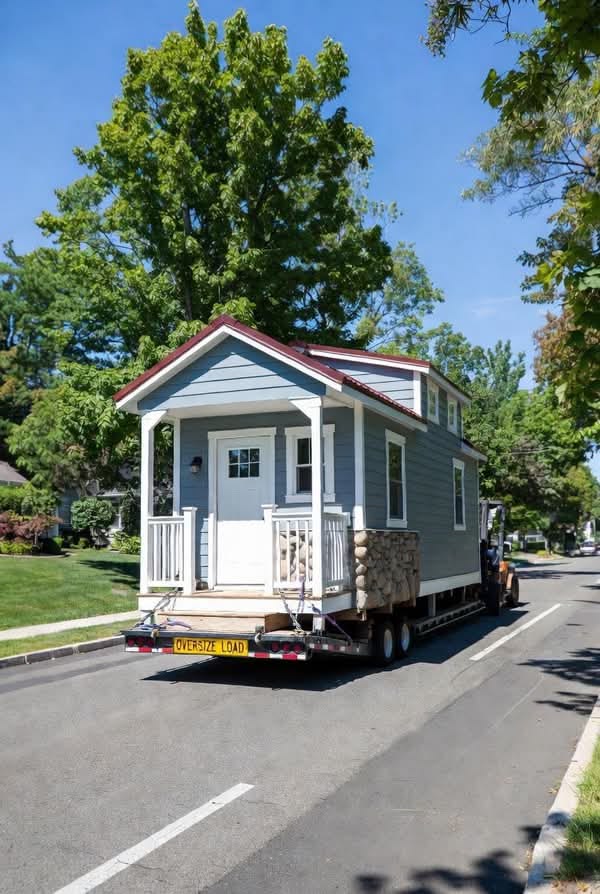
ADU trailer

A lot of people jump into the tiny house or ADU space thinking it’s all about finishes. The look. The Pinterest boards. The vibe.

But the truth is… none of that matters if the foundation under it is wrong.

And in this world, your foundation isn’t concrete. It’s the trailer.

That’s where most people either build something solid or make a mistake they regret for years.

So if you’re looking at equipment trailers, tiny house builds, or even an ADU trailer / ADU foundation, this is where you need to pay attention.

Because of a pre-engineered trailer home design? It’s not just convenient. It’s the difference between a structure that lasts and one that slowly starts failing.
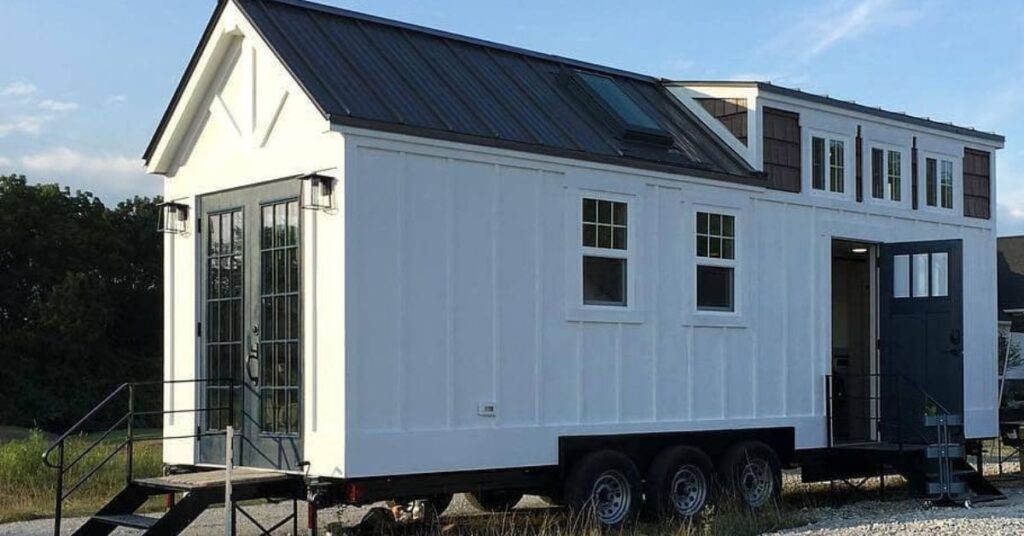
build your own tiny house kit

What Is a Pre-Engineered Trailer Home Design?

Short answer: It’s a trailer that’s designed specifically for a structure to live on.

Not a repurposed flatbed. Not something picked up from random trailer dealer near me searches. Not an old iron bull trailer unit meant for hauling machines.

A pre-engineered trailer is built with load distribution, weight balance, structural integrity, and long-term use in mind.

It’s designed before your house even goes up.

That matters more than people think.

Because once your house is built? You can’t just swap the base. You’re locked in.

Why Standard Equipment Trailers Don’t Cut It

Here’s where people try to save money. And yeah, it looks tempting.

You’ll see equipment trailers for sale, maybe even heavy-duty ones. Flatbed equipment trailers, tandem axle equipment trailers, and even gooseneck trailers for sale. They look strong.

And they are… for hauling.

But hauling equipment and supporting a permanent structure are two very different things.

An equipment transport trailer is designed for shifting loads. Temporary weight. Movement stress.

A tiny house or ADU? That’s a constant load. Static pressure. Long-term stress on the frame.

Different game.

Use the wrong trailer, and you start seeing issues:

  • Frame flex over time
  • Uneven weight distribution
  • Structural stress on your walls
  • Problems during transport

It doesn’t fail overnight. That’s the problem. It creeps in slowly.

The Real Benefit: Structural Integrity That’s Built In

With a pre-engineered trailer, the structure is part of the design from day one.

Everything is calculated:

  • Load points
  • Steel thickness
  • Axle placement
  • Tongue strength
  • Overall weight balance

You’re not guessing. You’re not adjusting later.

You’re building on something that was meant for this exact purpose.

And that’s what separates an engineered tiny house trailer from a generic heavy-duty equipment trailer.

One is designed for houses.

The other is not.

Better Weight Distribution (And Why It Matters More Than You Think)

This is one of those things people ignore until it’s too late.

Weight distribution isn’t just about “can it hold the weight?”

It’s about how the weight sits across the trailer.

With a proper tiny house trailer, the load is spread evenly across axles and the frame.

With a regular trailer? You’re adjusting your entire house design just to make it work.

That’s backwards.

A pre-engineered system flips that. The trailer supports your design—not the other way around.

Safer Transport—Especially With Gooseneck Options

If you ever plan to move your build, stability becomes a big deal.

This is where gooseneck trailer designs shine.

Compared to standard pull trailers, goosenecks offer:

  • Better weight distribution over the truck
  • Improved turning radius
  • More control during transport

And when it’s part of a pre-engineered design, it’s not just added on. It’s integrated.

That means safer movement. Less stress on the structure.

And fewer white-knuckle drives.

Long-Term Durability (Not Just First-Year Strength)

A lot of trailers feel solid at the start.

Even cheaper ones.

The issue shows up later.

A year in. Two years in.

That’s when weld fatigue, frame flex, or minor alignment issues start becoming real problems.

Pre-engineered trailers are built for long-term use.

Thicker steel. Reinforced crossmembers. Better weld quality.

Because again, this isn’t about moving a machine once a week.

It’s about holding a home every single day.

Designed for Tiny House Kits and ADU Builds

If you’re planning to build your own tiny house kit, this part matters a lot.

Pre-engineered trailers are designed to align with standard building layouts.

That means:

  • Easier framing
  • Cleaner installation
  • Fewer modifications

You’re not cutting corners or forcing things to fit.

The same goes for ADUs.

A proper ADU foundation built on a trailer needs stability, compliance, and structural support.

You don’t want to “figure it out as you go.”

Compliance and Inspection Advantages

Here’s something most people don’t think about early enough.

Permits. Inspections. Regulations.

A pre-engineered trailer often makes this process smoother.

Why?

Because it’s built with known specifications. Load ratings. Structural data.

Try explaining a modified utility equipment hauling trailer to an inspector and see how that goes.

Not fun.

Cost vs Value: Where People Get It Wrong

Let’s talk about money.

Yes, a pre-engineered trailer costs more upfront than a basic construction equipment trailer.

But here’s the real question:

Do you want to pay less now… or pay more later by fixing problems?

Because repairs, reinforcements, or worse, rebuilding cost way more.

The short answer is simple.

You’re not buying a trailer. You’re buying the base of your home.

Why Cutting Corners on Trailers Is a Bad Idea

This needs to be said clearly.

Cutting corners on your trailer is one of the worst decisions you can make in this process.

  • You can upgrade interiors later.
  • You can change finishes.
  • You can even redo layouts.

But the trailer? That’s permanent.

And if it fails, everything above it is affected.

Versatility for Different Builds

Another big advantage is flexibility.

A well-designed trailer can support different types of builds:

  • Tiny homes
  • Mobile offices
  • ADUs
  • Rental units

And yes, even hybrid uses.

That’s something standard commercial equipment trailers don’t offer.

They’re built for one job. Hauling.

A pre-engineered trailer? It’s built for living.

Better Resale Value

This part often gets ignored.

But it matters.

A home built on a properly engineered tiny house trailer holds its value better.

Buyers know what they’re getting.

Compare that to something built on a random high-profile equipment trailer… and yeah, it’s a harder sell.

People ask questions. They hesitate.

And you lose leverage.

The Trailer Made a Difference

This is where companies like Trailer Made step in.

We don’t just build trailers. We build foundations for homes. Everything is engineered with long-term use in mind.

Not just strength, but balance, durability, and real-world performance. That’s the difference between a product and a system.

Final Thoughts

If you’re serious about building a tiny home or ADU, don’t start with finishes.

Start with the foundation, because everything depends on it.

A pre-engineered trailer home design isn’t a luxury. It’s a necessity if you want something that lasts.

And yeah, you’ll see cheaper options out there.

But cheap doesn’t stay cheap for long.

Ready to Build It Right?

Don’t gamble with your foundation.

If you’re planning a tiny house, ADU, or custom build, start with something that’s actually made for it.

Visit Trailer Made Trailers to start your build.

Build it once. Build it right.

FAQs

What makes engineered tiny house trailers better than standard equipment trailers?

An engineered tiny house trailer is designed specifically to support a permanent structure, unlike standard equipment trailers, which are built for temporary loads. The frame, axles, and weight distribution are all calculated for long-term use. That means better durability, stability, and fewer structural issues over time.

Can I use heavy-duty equipment trailers for tiny house builds?

You can, but it’s not recommended. Even heavy-duty equipment trailers are designed for hauling, not supporting a static structure. Over time, this mismatch can lead to frame stress and uneven load distribution, which affects the safety and lifespan of your build.

Are gooseneck trailers better for transporting tiny homes?

Yes, gooseneck trailers offer better stability and weight distribution during transport. They connect over the truck’s rear axle, which improves control and reduces sway. For larger builds, they’re often the safer and more reliable option.

How do I choose the best trailer for heavy equipment vs tiny homes?

The best trailers for heavy equipment focus on mobility and load flexibility, while trailers for tiny homes focus on structural integrity and long-term support. If you’re building a home, always choose a trailer designed specifically for that purpose, not one meant for hauling.

Is it worth investing in a pre-engineered ADU trailer foundation?

Yes, absolutely. A proper ADU foundation ensures your structure is safe, stable, and compliant with regulations. While it may cost more upfront, it saves you from expensive repairs and structural issues down the line.
 

Why Hiring an Experienced Trailer Builder Matters More Than Most People Realize

Trailer Builder

From the outside, a trailer seems pretty simple.

Steel frame.
Axles.
Lights.
Tires.
Done… right?

Not even close.

A poorly built trailer can create expensive problems surprisingly fast especially when you’re hauling serious weight or building something valuable on top of it.

Tiny homes.
ADUs.
Mobile businesses.
Food trailers.
Heavy equipment.
Commercial cargo.

Those projects place real stress on a frame.

And when corners get cut, the problems eventually show up:

  • unstable towing
  • frame flex
  • weld cracking
  • uneven tire wear
  • braking issues
  • structural movement
  • expensive repairs

That’s why hiring an experienced trailer builder matters far more than most buyers realize.

Not just someone welding steel together in a shop.

An actual professional who understands:

  • engineering
  • weight distribution
  • towing dynamics
  • structural loads
  • long-term durability
  • road safety
  • real-world use

That difference becomes obvious over time.

At Trailer Made Custom Trailers, we build custom trailer systems around long-term performance — not just “good enough to leave the lot.”

And honestly, that matters more now than ever because people are using trailers for much larger investments than they used to.

trailer builder

The Trailer Is the Foundation of the Entire Project

This is where people often get things backward.

Most buyers focus on:

  • cabinets
  • finishes
  • appliances
  • layouts
  • flooring
  • siding

Meanwhile, the trailer underneath the project becomes an afterthought.

That’s a mistake.

An engineered tiny house trailer or ADU foundation is literally supporting the entire structure above it.

If the frame flexes too much:

  • walls can crack
  • windows stop sealing correctly
  • doors begin sticking
  • plumbing shifts
  • roofing moves
  • structural stress starts building over time

And once those problems begin, repairs become expensive quickly.

A professional trailer builder understands how weight moves across a frame and how to engineer around those stresses properly.

That includes:

  • reinforcement placement
  • axle positioning
  • tongue weight
  • crossmember spacing
  • steel thickness
  • towing stability

Good engineering prevents problems before they happen.

Cheap fabrication usually just delays them.

Tiny House Trailers Changed the Industry

Years ago, most trailers were built for fairly simple hauling applications:

  • equipment
  • supplies
  • vehicles
  • machinery

Then tiny homes exploded in popularity.

Now entire houses are traveling down highways.

That changed trailer engineering completely.

A properly engineered tiny house trailer has to account for:

  • concentrated residential loads
  • higher centers of gravity
  • road vibration
  • wind resistance
  • plumbing systems
  • long-term structural stress
  • moisture exposure
  • towing safety

That’s not the same as hauling lawn equipment on a utility trailer.

And yet a lot of buyers still assume:
“a flatbed is a flatbed.”

It’s not.

A real tiny house trailer is engineered specifically around residential structural loads and long-term durability.

That includes:

  • different crossmember spacing
  • reinforced frame design
  • specialized axle placement
  • lower deck heights
  • structural tie-in systems
  • realistic weight calculations

There’s a massive difference between:
“can technically hold weight”
and
“can safely support a home for years.”

Cheap Trailers Usually Become Expensive Later

This happens constantly.

People try to save money on the trailer because overall project costs are already climbing.

Tiny homes aren’t cheap anymore.
ADU projects definitely aren’t cheap.

So buyers cut costs on the foundation.

Unfortunately, that’s usually the worst place to do it.

Weak trailers create problems everywhere else:

  • frame twisting
  • unstable towing
  • weld failures
  • uneven load distribution
  • suspension issues
  • braking problems
  • structural stress above the frame

Then come:

  • repairs
  • downtime
  • insurance headaches
  • retrofits
  • rebuilding sections later

Suddenly the “cheap” trailer becomes far more expensive than a properly engineered one would have been from the beginning.

Experienced trailer builders think about lifespan — not just delivery day.

That matters.

Custom Projects Need Custom Engineering

Most trailer projects are not one-size-fits-all.

Actually… very few are.

Maybe you’re building:

  • a tiny home
  • an ADU
  • a mobile coffee shop
  • a food trailer
  • a landscaping rig
  • a heavy equipment hauler
  • a custom cargo trailer
  • a mobile office

Every one of those applications creates different engineering requirements.

Different:

  • weight loads
  • axle needs
  • towing characteristics
  • balance points
  • reinforcement requirements

That’s why custom trailer manufacturing matters.

A skilled custom trailer builder designs around the actual use case instead of forcing your project onto a generic frame.

At Trailer Made, we engineer trailer systems around the structure and the intended long-term use — because the trailer and the project need to work together as one system.

That prevents a lot of problems later.

Food Trailer Builds Require Serious Planning

People underestimate food trailer builds all the time.

Commercial kitchens are heavy.

Very heavy.

You’re dealing with:

  • refrigerators
  • cooking equipment
  • water tanks
  • propane systems
  • generators
  • stainless counters
  • storage systems
  • vent hoods

That weight adds up quickly.

A professional food trailer builder understands both:

  • commercial kitchen loads
  • towing safety

Because poor balance on a food trailer can become dangerous fast — especially on highways or during long-distance travel.

A custom food trailer builder also plans around workflow, weight distribution, and equipment placement instead of simply “building a box.”

That matters long term.

Weak trailer systems eventually create vibration-related issues inside the kitchen itself:

  • loose equipment
  • cracked connections
  • shifting systems
  • structural fatigue

Again… the foundation matters.

Heavy-Duty and Utility Trailers Need Real Engineering Too

Not every custom trailer project is residential.

A lot of businesses depend on utility and heavy-duty trailers every single day.

Contractors.
Farmers.
Landscapers.
Equipment operators.
Delivery companies.

When a trailer fails, work stops.

That’s why real engineering matters more than flashy marketing.

A properly built heavy-duty trailer should survive:

  • bad roads
  • weather
  • constant loading
  • long work hours
  • real commercial use

Some trailers look great parked somewhere.

Different story after a year of actual abuse.

Experienced trailer builders know where failures usually happen because they’ve seen it before:

  • axle stress
  • tongue flex
  • suspension overload
  • weak weld points
  • frame fatigue

Experience matters a lot there.

Enclosed Trailer Design Is More Complex Than Most Buyers Think

People often assume enclosed trailers are simple boxes on wheels.

Not really.

Good enclosed trailer design involves:

  • structural framing
  • airflow
  • roof support
  • weight distribution
  • cargo stability
  • suspension balance
  • weather sealing
  • ramp durability

Especially for businesses or commercial hauling applications.

A badly designed enclosed trailer can become miserable to tow and expensive to maintain.

Professional fabrication makes a huge difference there.

ADU Trailers Require Long-Term Structural Thinking

The ADU market is growing fast right now.

People want:

  • backyard housing
  • rental income
  • flexible living spaces
  • workforce housing
  • multigenerational housing options

And many of those projects rely on professionally engineered ADU trailers or foundation systems underneath them.

The problem is that some builders approach ADUs far too casually.

A beautiful interior doesn’t matter much if the structure underneath it is poorly engineered.

A proper ADU foundation system should account for:

  • long-term settlement
  • transportation loads
  • structural rigidity
  • moisture resistance
  • code considerations
  • residential durability

That’s not beginner-level fabrication work.

Building Your Own Tiny House Kit? Start With the Right Foundation

DIY tiny homes have exploded in popularity.

A lot of people are now searching for:

  • build your own tiny house kit
  • owner-builder ADUs
  • DIY tiny homes

And honestly, that’s great.

Many people can absolutely learn:

  • framing
  • plumbing
  • wiring
  • finish carpentry

But trailer engineering is a completely different skill set.

Axle placement alone can dramatically affect towing stability.

One mistake there changes everything.

That’s why many serious DIY builders start with a professionally engineered trailer first.

It removes one of the largest risks in the entire build.

Because rebuilding a finished tiny house after trailer issues show up?
Absolute nightmare.

“Trailer Builder Near Me” Shouldn’t Be Your Only Search Criteria

People search “trailer builder near me” every day.

Nothing wrong with that.

But proximity alone should never be the deciding factor.

You want:

  • experience
  • engineering knowledge
  • fabrication quality
  • proven projects
  • reputation
  • long-term reliability

Some builders specialize in utility hauling.
Others specialize in enclosed trailers.
Others deeply understand tiny homes and residential loads.

Ask questions.

A good trailer builder should clearly explain:

  • steel specifications
  • axle reasoning
  • weight capacities
  • brake systems
  • engineering choices
  • durability expectations

If they can’t explain why they’re building something a certain way, that’s usually a red flag.

Long-Term Value Beats Cheap Pricing

Most buyers don’t regret paying for quality.

They regret trying to save money upfront.

Because trailers live hard lives:

  • weather exposure
  • road vibration
  • heavy loads
  • miles of towing
  • uneven roads
  • rust
  • stress

Cheap construction eventually reveals itself.

Strong engineering does too.

A properly built custom trailer can last for many years with proper maintenance — sometimes decades depending on use.

That’s real value.

Especially when supporting:

  • homes
  • businesses
  • commercial kitchens
  • equipment
  • income-producing projects

Those investments deserve a properly engineered foundation underneath them.

Final Thoughts

At the end of the day, the trailer protects everything above it:

  • your home
  • your business
  • your equipment
  • your investment

That’s why hiring an experienced trailer builder matters so much.

A professional builder doesn’t just fabricate steel frames.

They help prevent expensive problems before they happen through proper engineering, real-world experience, and long-term structural thinking.

And once you compare high-quality fabrication side by side with generic trailer builds, the difference becomes pretty obvious.

If you’re serious about building something designed to last, start with the foundation first.

That part matters far more than most people realize.

Watch our factory tour, explore our engineered trailer systems, or request a quote today at Trailer Made Custom Trailers.

What Sets High-Quality Tiny House Trailer Manufacturers Apart From the Rest?

tiny house trailer

There’s a massive difference between a trailer that looks good online and one that’s actually engineered to support a tiny home for the next 10–20 years.

Most people don’t realize that until something starts going wrong.

Doors stop lining up.
Floors begin sagging.
Plumbing develops stress cracks.
The trailer flexes too much while towing.
Tire wear becomes uneven.
The house suddenly feels “off.”

And by the time those problems show up, the home is already built on top of it.

That’s the problem.

People spend months obsessing over:

  • layouts
  • loft designs
  • kitchens
  • countertops
  • finishes

…but the foundation underneath the home is what determines whether the structure survives long term.

The trailer matters first. Always.

And when you’re talking about a tiny house trailer, an engineered tiny house trailer, or an ADU foundation, the difference between manufacturers becomes obvious very quickly.

Some companies build generic utility trailers and market them toward tiny homes afterward.

Others engineer foundations specifically for:

  • residential weight loads
  • towing stability
  • structural rigidity
  • code compliance
  • long-term durability

Those are not the same thing.

tiny house trailer

Not All Trailer Manufacturers Understand Tiny Homes

This is where a lot of buyers get tripped up.

There are thousands of trailer manufacturers across the country.

Some are excellent at:

  • utility trailers
  • cargo hauling
  • equipment trailers
  • food trailers
  • recreational trailers
  • industrial hauling

But that does not automatically mean they understand how to engineer a proper tiny house foundation.

Tiny homes create completely different stresses.

A tiny house trailer has to account for:

  • concentrated living loads
  • loft weight
  • plumbing systems
  • insulation
  • wall shear
  • wind resistance
  • road vibration
  • long-term structural movement

The trailer becomes part of the home itself.

That’s very different from hauling a skid steer across town.

At Trailer Made Custom Trailers, we engineer specifically for tiny homes, ADUs, park models, and long-term residential structures — not generic hauling applications.

That difference matters more than most people realize.

Engineering Matters More Than Appearance

A cheap trailer can look fine for six months.

Then reality starts showing up.

Frame twist.
Uneven floors.
Cracked drywall.
Doors sticking.
Roof movement.
Plumbing stress cracks.

Most of those problems trace back to one thing:
poor structural engineering.

A real engineered tiny house trailer is designed around:

  • actual load calculations
  • axle placement
  • steel thickness
  • crossmember spacing
  • tongue weight
  • towing dynamics
  • long-term stress distribution

Good manufacturers think years ahead.

Cheap manufacturers think about lowering the online price enough to get clicks.

That’s a very different mindset.

And rebuilding the foundation underneath a finished tiny house?
That’s a nightmare nobody wants.

The Tiny House Industry Has Changed

Ten years ago, people were building tiny homes on:

  • old camper frames
  • random flatbeds
  • modified cargo trailers
  • whatever they could find cheaply

Some of it worked.
Some of it absolutely did not.

Today the industry is completely different.

Now you have:

  • tighter building codes
  • insurance requirements
  • financing standards
  • transportation regulations
  • NOAH certification requirements
  • IRC and ANSI compliance considerations

Tiny homes are no longer experimental projects for most buyers.

They’re becoming:

  • full-time residences
  • backyard ADUs
  • Airbnb rentals
  • workforce housing
  • retirement homes
  • guest houses
  • mobile businesses

That means the foundation underneath the home matters more than ever.

What Actually Separates a High-Quality Tiny House Trailer?

Proper Axle Placement

Tiny homes carry uneven weight naturally.

Bathrooms, kitchens, water systems, appliances, and lofts all change the center of gravity.

If axle placement is wrong:

  • towing becomes unstable
  • sway increases
  • braking performance suffers
  • tire wear accelerates

Good manufacturers engineer around the actual living layout before fabrication even begins.

Crossmember Design

Most buyers never ask about crossmembers.

They should.

Crossmembers distribute weight across the frame and support the flooring system above.

Poor spacing can create:

  • soft floors
  • long-term sagging
  • structural movement

Better tiny house trailers are engineered specifically around residential floor loads — not utility hauling assumptions.

Weld Quality

Not all welds are equal.

Bad welds may not fail immediately.
But road vibration exposes weaknesses over time.

Tiny homes move constantly:

  • towing stress
  • twisting forces
  • freeze/thaw cycles
  • long-term settlement

A quality trailer should feel solid, predictable, and structurally confident.

Realistic Weight Ratings

Some manufacturers advertise unrealistic weight capacities that don’t reflect real-world tiny house builds.

That becomes dangerous quickly.

A good builder talks honestly about:

  • GVWR
  • axle limits
  • payload realities
  • towing requirements
  • realistic build weights

No gimmicks.
No inflated numbers.

Cheap Trailers Usually Become Expensive Later

Everybody wants to save money upfront.

That’s understandable.

But the trailer is one of the worst places to cut corners.

A weak foundation creates problems everywhere else:

  • flooring
  • roofing
  • plumbing
  • windows
  • doors
  • siding
  • towing safety

And unlike cosmetic upgrades, trailer repairs are extremely difficult once the home is completed.

You can repaint cabinets later.

You cannot easily replace the structural foundation underneath a finished house.

That’s why experienced builders focus on long-term value instead of lowest upfront cost.

Why DIY Builders Still Need Professional Engineering

Searches for:

  • build your own tiny house kit
  • DIY tiny homes
  • ADU kits
  • owner-builder homes

…have exploded in recent years.

And honestly, that’s exciting.

A lot of people are capable of learning:

  • framing
  • plumbing
  • electrical
  • finish carpentry

But trailer engineering is a completely different discipline.

A poorly engineered trailer can ruin great craftsmanship surprisingly fast.

That’s why many serious DIY builders start with a professionally engineered foundation first.

It removes a massive amount of risk from the project.

Trailer Made Builds Foundations Specifically for Tiny Homes

This is an important distinction.

We are not building generic utility trailers and rebranding them for tiny houses afterward.

Our systems are engineered specifically around:

  • tiny homes
  • ADUs
  • park models
  • long-term residential use

That includes:

  • engineered layouts
  • proper deck heights
  • residential load planning
  • structural reinforcement
  • towing stability
  • long-term durability

We’ve helped thousands of builders, homeowners, and owner-builders across North America build on properly engineered foundations designed for real-world living.

Our trailers are:

  • engineered
  • professionally fabricated
  • designed around actual living loads
  • built for long-term structural performance

That experience matters.

Tiny House Foundations Are No Longer “Temporary”

This shift is happening everywhere.

Tiny homes are increasingly being used as:

  • permanent residences
  • ADUs
  • workforce housing
  • rental units
  • retirement housing
  • multigenerational housing

Which means durability matters more now than ever before.

The trailer underneath the structure affects:

  • resale value
  • insurance approval
  • towing safety
  • structural lifespan
  • long-term livability

The foundation is no longer just transportation infrastructure.

It’s part of the home itself.

The Trailer Is the Backbone of the Entire Build

People naturally focus on what they can see:

  • kitchens
  • tile
  • lofts
  • countertops
  • finishes

But structural quality is what determines whether a tiny home still performs properly 10–15 years later.

A quality engineered trailer protects:

  • framing
  • plumbing
  • roofing
  • windows
  • doors
  • insulation systems
  • towing stability
  • long-term durability

Literally everything above it depends on the structure below it.

That’s why choosing the right manufacturer matters so much.

Final Thoughts

The tiny house industry keeps growing fast.

So does the number of companies trying to enter the trailer market.

But not every company truly understands tiny house engineering.

A professionally engineered tiny house trailer gives your home:

  • stability
  • safety
  • durability
  • structural integrity
  • long-term value

That’s the foundation everything else depends on.

The cheapest option upfront often becomes the most expensive option later.

The trailer is not the place to gamble.

If you’re serious about building a tiny home, ADU, or custom residential project, start with the foundation first.

Get that part right, and everything above it gets easier.

Watch our factory tour, explore our engineered trailer systems, or request a quote today at Trailer Made Custom Trailers.

Why Most Tiny House Builds Fail (And How to Get It Right From the Start)

tiny house trailer

Everyone’s talking about tiny homes, ADUs, and “simpler living.”

Minimalism. Freedom. Lower costs. More control.

It all sounds great until you actually try to build one.

That’s where most people run into problems.

Because the biggest mistake in this entire space happens before the build even starts.

👉 It’s the foundation.

And in a tiny house or ADU on wheels…
Your foundation is the trailer.

tiny house trailer

Why Tiny Homes and ADUs Are Taking Off

There’s a reason this movement is growing fast.

  • Rising housing costs
  • Demand for flexibility
  • Backyard ADUs for income or family
  • DIY builders taking control of their own projects

Some people want a full-time home.
Some want a rental unit.
Some just want out of the traditional system.

And a lot of them are searching for:
👉 “build your own tiny house kit”
👉 “ADU cost”
👉 tiny house trailer

But almost all of them make the same mistake early on…


They Focus on the House—Not the Foundation

Layout. Windows. Finishes. Aesthetics.

That’s where the attention goes.

But none of that matters if the structure underneath isn’t right.

👉 Because the trailer isn’t just something you set a house on.

It is the foundation.

A Tiny House Trailer Is a Structural System—Not a Platform

A properly built, engineered tiny house trailer is designed to:

  • carry real housing loads
  • handle road movement and stress
  • maintain structural integrity over time
  • support full-time living conditions

This isn’t just welded steel.

It’s engineering.

And when that part is wrong, everything above it eventually pays the price.

Common Mistakes That Destroy Builds

1. Using a Standard Utility Trailer

This is one of the most common—and expensive—mistakes.

Utility trailers are built to haul equipment.

They are NOT designed to support a home.

Result:

  • flex and frame fatigue
  • sagging floors
  • cracking structures over time

2. Ignoring Engineering Standards

If your trailer isn’t built to standards like:

  • IRC
  • ANSI
  • NOAH

You’re taking a serious risk.

That affects:

  • inspections
  • insurance
  • financing
  • long-term safety

3. Underestimating Weight

Tiny homes aren’t light.

Between framing, insulation, appliances, and finishes, weight adds up quickly.

Without proper load design:

  • frames twist
  • doors and windows shift
  • structural stress builds over time

4. Thinking Short-Term

A lot of builds are designed for how they look on day one.

Not how they perform after years of:

  • movement
  • weather
  • real use

That’s where failures show up.

Why the Trailer Is the Most Important Decision You’ll Make

Trying to save money on your trailer is one of the most expensive mistakes you can make.

Because when it fails:

  • you’re not fixing a part
  • you’re fixing the entire structure

Or rebuilding it.

What to Look for in a Proper Tiny House Trailer

If you’re serious about building, this is what actually matters:

✔ Engineered Design

Load calculations. Reinforced framing. Proper axle placement.

No guesswork.

✔ Built for Tiny Homes (Not Repurposed)

There’s a huge difference between:

  • a trailer adapted for a house
  • a trailer designed for one

You want the second.

✔ Code Compliance

IRC, ANSI, NOAH.

These matter for:

  • safety
  • legality
  • long-term value

✔ Long-Term Durability

Your foundation needs to handle:

  • road movement
  • weather exposure
  • structural load

For years.

✔ A Real Warranty

A lifetime warranty isn’t marketing.

It’s accountability.

Where Trailer Made Fits In

At Trailer Made Custom Trailers, we don’t just build trailers.

👉 We build engineered foundations for real homes

  • Designed to IRC / ANSI / NOAH standards
  • Built specifically for housing loads
  • Used in thousands of real-world builds
  • Backed by a lifetime warranty

We’ve seen where builds fail.

That’s why we design them differently from the start.

DIY Builders and Tiny House Kits

If you’re planning to:
👉 build your own tiny house kit

That’s a great path.

But here’s the reality:

  • A great kit on a bad trailer = problems
  • A solid engineered foundation + decent build = success

The trailer is the decision that makes everything else easier.

ADUs and Mobile Foundations

Backyard ADUs are exploding right now.

And with that comes demand for:
👉 flexible, mobile foundation systems

But the same rule applies:

👉 If the foundation isn’t engineered properly, the rest doesn’t matter.

Sustainable Living Starts with Structural Longevity

Sustainability isn’t just:

  • solar panels
  • reclaimed wood
  • energy efficiency

It’s also:

👉 building something that lasts

A structure that performs for 20+ years without failure
is far more sustainable than one that needs constant repair.

The Bottom Line

Tiny homes and ADUs give people more control than ever.

But the success of that build comes down to one decision:

👉 the foundation

Get it right—and everything else gets easier
Get it wrong—and you’re fixing problems for years

[Request a Quote]

Ready to Start Your Build the Right Way?

Before you choose layouts, finishes, or kits…

👉 start with the foundation

Watch our factory tour and see how engineered tiny house trailers are actually built:
https://youtu.be/4P0lp9tMp2g

Why Most Tiny House Builds Fail (And How to Get It Right From the Start)

tiny house trailer

Everyone’s talking about tiny homes, ADUs, and “simpler living.”

Minimalism. Freedom. Lower costs. More control.

It all sounds great—until you actually try to build one.

That’s where most people run into problems.

Because the biggest mistake in this entire space happens before the build even starts.

👉 It’s the foundation.

And in a tiny house or ADU on wheels…
your foundation is the trailer.

tiny house trailer

Why Tiny Homes and ADUs Are Taking Off

There’s a reason this movement is growing fast.

  • Rising housing costs
  • Demand for flexibility
  • Backyard ADUs for income or family
  • DIY builders taking control of their own projects

Some people want a full-time home.
Some want a rental unit.
Some just want out of the traditional system.

And a lot of them are searching for:
👉 “build your own tiny house kit”
👉 “ADU cost”
👉 “tiny house trailer”

But almost all of them make the same mistake early on…

They Focus on the House—Not the Foundation

Layout. Windows. Finishes. Aesthetics.

That’s where the attention goes.

But none of that matters if the structure underneath isn’t right.

👉 Because the trailer isn’t just something you set a house on.

It is the foundation.

A Tiny House Trailer Is a Structural System Not a Platform

A properly built, engineered tiny house trailer is designed to:

  • carry real housing loads
  • handle road movement and stress
  • maintain structural integrity over time
  • support full-time living conditions

This isn’t just welded steel.

It’s engineering.

And when that part is wrong, everything above it eventually pays the price.

Common Mistakes That Destroy Builds

1. Using a Standard Utility Trailer

This is one of the most common—and expensive—mistakes.

Utility trailers are built to haul equipment.

They are NOT designed to support a home.

Result:

  • flex and frame fatigue
  • sagging floors
  • cracking structures over time

2. Ignoring Engineering Standards

If your trailer isn’t built to standards like:

  • IRC
  • ANSI
  • NOAH

You’re taking a serious risk.

That affects:

  • inspections
  • insurance
  • financing
  • long-term safety

3. Underestimating Weight

Tiny homes aren’t light.

Between framing, insulation, appliances, and finishes, weight adds up quickly.

Without proper load design:

  • frames twist
  • doors and windows shift
  • structural stress builds over time

4. Thinking Short-Term

A lot of builds are designed for how they look on day one.

Not how they perform after years of:

  • movement
  • weather
  • real use

That’s where failures show up.

Why the Trailer Is the Most Important Decision You’ll Make

Trying to save money on your trailer is one of the most expensive mistakes you can make.

Because when it fails:

  • you’re not fixing a part
  • you’re fixing the entire structure

Or rebuilding it.

What to Look for in a Proper Tiny House Trailer

If you’re serious about building, this is what actually matters:

✔ Engineered Design

Load calculations. Reinforced framing. Proper axle placement.

No guesswork.

✔ Built for Tiny Homes (Not Repurposed)

There’s a huge difference between:

  • a trailer adapted for a house
  • a trailer designed for one

You want the second.

✔ Code Compliance

IRC, ANSI, NOAH.

These matter for:

  • safety
  • legality
  • long-term value

✔ Long-Term Durability

Your foundation needs to handle:

  • road movement
  • weather exposure
  • structural load

For years.

✔ A Real Warranty

A lifetime warranty isn’t marketing.

It’s accountability.

Where Trailer Made Fits In

At Trailer Made Custom Trailers, we don’t just build trailers.

👉 We build engineered foundations for real homes

  • Designed to IRC / ANSI / NOAH standards
  • Built specifically for housing loads
  • Used in thousands of real-world builds
  • Backed by a lifetime warranty

We’ve seen where builds fail.

That’s why we design them differently from the start.

DIY Builders and Tiny House Kits

If you’re planning to:
👉 build your own tiny house kit

That’s a great path.

But here’s the reality:

  • A great kit on a bad trailer = problems
  • A solid engineered foundation + decent build = success

The trailer is the decision that makes everything else easier.

ADUs and Mobile Foundations

Backyard ADUs are exploding right now.

And with that comes demand for:
👉 flexible, mobile foundation systems

But the same rule applies:

👉 If the foundation isn’t engineered properly, the rest doesn’t matter.

Sustainable Living Starts with Structural Longevity

Sustainability isn’t just:

  • solar panels
  • reclaimed wood
  • energy efficiency

It’s also:

👉 building something that lasts

A structure that performs for 20+ years without failure
is far more sustainable than one that needs constant repair.

The Bottom Line

Tiny homes and ADUs give people more control than ever.

But the success of that build comes down to one decision:

👉 the foundation

Get it right—and everything else gets easier
Get it wrong—and you’re fixing problems for years

Ready to Start Your Build the Right Way?

Before you choose layouts, finishes, or kits…

👉 start with the foundation

Watch our factory tour and see how engineered tiny house trailers are actually built:
https://youtu.be/4P0lp9tMp2g

How Tiny House Frame Kits Save Time and Reduce Construction Costs

tiny house frame kits

Tiny houses stopped being a “trend” a long time ago.

What they’ve become is one of the last realistic ways a lot of people can actually build something they own without signing up for a 30-year mortgage that looks like a second rent payment.

But the internet kind of lies about one thing.

Building a tiny house is not automatically easy.

I talk to people every week who say something like:

“I’m just going to build it myself.”

Which is great. I love that mindset.

But framing a structure that’s going to last decades — and especially one that’s going down the highway at 65 mph — isn’t the same thing as building a garden shed.

That’s where tiny house frame kits come into the picture.

They don’t magically build the house for you, but they remove a lot of the places where people usually get into trouble.

And trust me… there are plenty.

First Things First — What Is a Tiny House Frame Kit?

Think of a tiny house frame kit as the skeleton of the structure.

The bones.

Instead of starting with raw lumber and a tape measure hoping you got the math right, a frame kit gives you a structure that has already been engineered.

The walls line up.

The roof loads make sense.

The connection points actually support the weight they’re supposed to support.

Which sounds obvious… but you’d be surprised how often it goes wrong when people try to design the whole thing themselves.

Some tiny house kits are meant for permanent foundations.

Others are designed to work with trailers.

That distinction matters a lot more than most blogs will admit.

Because when the trailer and the structure aren’t engineered together… the problems show up later.

Sometimes years later.

Why DIY Tiny House Kits Exist in the First Place

Traditional construction is slow.

And messy.

And full of small mistakes that turn into expensive problems.

You’re ordering materials.

Waiting on deliveries.

Cutting things wrong.

Driving back to the lumber yard again.

And again.

With DIY tiny house kits, a lot of that chaos disappears.

The design work is already done.

The framing layout makes sense.

You’re not inventing the structure as you go along.

For most people, that’s the difference between a project that actually gets finished… and one that sits half-built in the backyard for three years.

And yeah, that happens more than people want to admit.

Where Tiny House Kits Actually Save Time

People usually underestimate how much time framing alone takes.

You’re measuring angles.

Cutting pieces.

Trying to keep walls square.

Figuring out roof geometry.

Now multiply that by every wall and every connection in the house.

When you start with tiny house frame kits or prefab tiny house kits, the complicated parts are already solved.

You’re assembling a structure instead of designing one.

Most builders who switch to tiny house kit homes end up shaving weeks off the build timeline.

Sometimes more.

And time is money, whether you’re a DIY builder or a contractor.

The Money Side — Why Kits Reduce Construction Costs

Saving time helps.

But the real benefit usually shows up in the budget.

Building from scratch sounds cheaper until you start fixing mistakes.

Here’s where tiny house kits quietly save people a lot of money.

Less Material Waste

When you’re cutting everything yourself, mistakes happen.

Boards get cut short.

Pieces get replaced.

You end up buying more materials than you planned.

With tiny cabin kits or small house building kits, materials are already calculated.

That means less waste.

And fewer trips to the hardware store.

Fewer Structural Mistakes

This is the one that gets expensive.

Framing errors don’t always show up immediately.

Sometimes they show up six months later when a door doesn’t close right.

Or when the roof starts sagging a little.

A properly engineered tiny house kit solves most of those problems before the first wall goes up.

Everything is designed to work together.

The loads make sense.

That’s kind of the whole point.

Lower Labor Costs

Most people building tiny houses aren’t contractors.

They’re figuring it out as they go.

When you use DIY tiny house kits, the structure is easier to assemble, which means you don’t need as much specialized labor.

And labor is one of the most expensive parts of any build.

So simplifying the structure usually lowers the overall cost.

Let’s Talk About the Part Everyone Ignores

The trailer.

If you’re building a movable tiny house, the trailer is not just something that moves the house.

It is the foundation.

And this is where people get themselves in trouble.

I can’t tell you how many times someone calls and says something like:

“I found a trailer on Craigslist. Will this work?”

Usually the answer is no.

Utility trailers are not designed for houses.

Tiny houses require engineered trailers built specifically for housing loads.

The weight distribution is different.

The steel structure is different.

The load paths are different.

If that foundation fails, the entire house fails with it.

Why Engineered Tiny House Trailers Matter

  • People focus on the fun stuff.
  • Solar panels.
  • Windows.
  • Interior design.

But the structure underneath the house is what determines whether the house lasts thirty years… or develops problems in five.

An engineered tiny house trailer should provide:

  • Proper axle placement for weight balance
  • Steel designed for housing loads
  • Connection points for framing
  • Long-term durability during transport

At Trailer Made, that’s what we build every day.

Because if the base of the structure isn’t right, nothing above it will be either.

Tiny House Kits vs Building Everything From Scratch

There’s nothing wrong with building a house completely from scratch.

If you have the experience and the time, it can be a great project.

But it’s slower.

And easier to mess up.

Tiny house frame kits give people a middle ground.

You still get flexibility.

But the complicated engineering is already handled.

Which makes the entire process a lot less frustrating.

Who Tiny House Frame Kits Make the Most Sense For

Not every builder needs a kit.

But they’re a smart option for a lot of people.

First-time builders especially.

If you’ve never framed a structure before, starting with DIY tiny house kits makes the project far more manageable.

Off-grid builders also use tiny cabin kits a lot because hauling loose materials into remote areas can be a nightmare.

And developers building backyard homes or ADUs often use small house building kits to speed up their timelines.

Time matters when you’re building multiple units.

One Last Thing About Quality

Cheap construction almost always costs more in the long run.

A poorly designed frame can cause structural issues.

A weak trailer can lead to cracked walls and uneven floors.

And once the house is finished, fixing those problems becomes complicated.

That’s why the foundation and the structural engineering matter so much.

Starting with a properly engineered tiny house frame kit and the right trailer foundation sets the entire build up for success.

Cutting corners here usually doesn’t work out.

The Bottom Line

Tiny houses give people something they’re struggling to find right now.

Affordability.

Flexibility.

A simpler way to live.

But building one still requires good planning.

Tiny house frame kits and DIY tiny house kits make the process faster and more predictable by removing a lot of the structural guesswork.

  • They reduce waste.
  • They reduce mistakes.
  • They speed up the timeline.
  • But if your tiny house is going on wheels, remember this:
  • The trailer is the foundation.
  • Choose that part carefully.

Start Your Tiny House Build the Right Way

If you’re building a tiny house on wheels, don’t gamble on the most important part of the structure.

Trailer Made Custom Trailers builds engineered tiny house trailers designed specifically for housing loads and long-term structural durability.

Take a look at our designs and start your project with the right foundation.
Request Trailer Quote

How to Choose the Right Tiny House Trailer for Your Build

legal tiny house

There’s a mistake a lot of people make when building a tiny house.

They spend months thinking about the house.

  • The layout.
  • The loft.
  • The kitchen.
  • Solar panels.
  • Cabinets.

Then they go buy the cheapest trailer they can find.

That’s backwards.

If your tiny house is going on wheels, the trailer is not just transportation. It’s the foundation of the entire structure. And if the foundation isn’t right, nothing above it will be either.

I’ve seen houses with cracked walls, sagging floors, doors that won’t close… all because the trailer wasn’t designed for the job.

So before you start framing walls or ordering a tiny house frame kit, you need to understand what actually matters in a tiny house trailer.

Let’s talk about it.

tiny house trailer

Not All Trailers Are Built for Houses

A lot of people assume a utility trailer will work fine.

Technically, you can build a tiny house on one.

But it’s usually not a good idea.

Utility trailers are designed to haul equipment or materials for short periods of time. They are not engineered to carry a permanent structural load 24 hours a day for the next 30 years.

Tiny houses weigh a lot.

Between framing, insulation, interior finishes, appliances, and furniture, it adds up fast.

An engineered tiny house trailer is designed specifically for those loads.

Different steel.
Different frame structure.
Different axle placement.

Those details matter more than people think.

Weight Distribution Is Everything

One of the biggest engineering challenges in tiny house construction is weight balance.

If the axles are placed incorrectly, the house will tow poorly and can create serious structural stress.

Too much weight in the wrong place and you end up with:

  • Frame flex
  • Uneven tire wear
  • Dangerous towing behavior
  • Long-term structural damage

A properly engineered tiny house trailer places the axles where the load needs to be supported.

This isn’t something you want to guess on.

Deck Height Matters More Than You Think

Another thing most people overlook is trailer deck height.

The higher the trailer sits off the ground, the taller the house becomes.

And when you’re trying to stay under the legal road height limit (usually around 13 feet 6 inches), every inch counts.

That’s why purpose-built tiny house trailers often use drop axles or recessed framing to keep the deck height lower.

Lower deck height means more interior headroom inside the house.

Which makes a big difference in a tiny space.

Steel Structure and Frame Strength

A tiny house trailer isn’t just a rectangle with wheels.

The frame needs to carry structural loads for decades.

That means the steel design has to support:

  • Point loads from walls
  • Distributed loads from the roof
  • Movement during transportation

Cheap trailers are often built with lighter steel that simply isn’t designed for those forces.

Over time, that leads to flex and fatigue.

Engineered trailers solve that problem by designing the frame as part of the house structure itself.

Attachment Points for the Structure

Here’s another detail most blogs never mention.

The house needs to attach to the trailer.

Securely.

An engineered tiny house trailer includes built-in connection points where the framing structure can be anchored.

Without that, builders often end up improvising attachment methods.

Improvising structural connections is never a good plan.

Why Purpose-Built Tiny House Trailers Exist

At Trailer Made Custom Trailers, we started building tiny house trailers because we saw too many houses failing on the wrong foundations.

Tiny homes are not cargo.

They’re houses.

They need a trailer engineered specifically for housing loads and long-term durability.

That’s exactly what we design.

Because when the base structure is right, the rest of the build becomes much easier.

Start With the Foundation

If you’re planning to build a tiny house on wheels, the trailer should be the first major decision you make.

Everything else — framing, insulation, layout — depends on that foundation being correct.

A properly engineered tiny house trailer gives the entire build a stable starting point.

Without it, you’re building a house on a question mark.