
There’s a massive difference between a trailer that looks good online and one that’s actually engineered to support a tiny home for the next 10–20 years.
Most people don’t realize that until something starts going wrong.
Doors stop lining up.
Floors begin sagging.
Plumbing develops stress cracks.
The trailer flexes too much while towing.
Tire wear becomes uneven.
The house suddenly feels “off.”
And by the time those problems show up, the home is already built on top of it.
That’s the problem.
People spend months obsessing over:
- layouts
- loft designs
- kitchens
- countertops
- finishes
…but the foundation underneath the home is what determines whether the structure survives long term.
The trailer matters first. Always.
And when you’re talking about a tiny house trailer, an engineered tiny house trailer, or an ADU foundation, the difference between manufacturers becomes obvious very quickly.
Some companies build generic utility trailers and market them toward tiny homes afterward.
Others engineer foundations specifically for:
- residential weight loads
- towing stability
- structural rigidity
- code compliance
- long-term durability
Those are not the same thing.
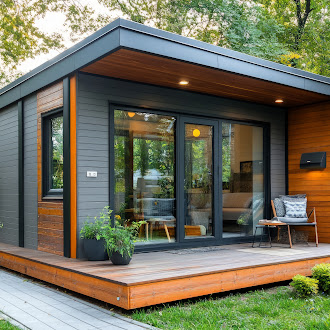
Not All Trailer Manufacturers Understand Tiny Homes
This is where a lot of buyers get tripped up.
There are thousands of trailer manufacturers across the country.
Some are excellent at:
- utility trailers
- cargo hauling
- equipment trailers
- food trailers
- recreational trailers
- industrial hauling
But that does not automatically mean they understand how to engineer a proper tiny house foundation.
Tiny homes create completely different stresses.
A tiny house trailer has to account for:
- concentrated living loads
- loft weight
- plumbing systems
- insulation
- wall shear
- wind resistance
- road vibration
- long-term structural movement
The trailer becomes part of the home itself.
That’s very different from hauling a skid steer across town.
At Trailer Made Custom Trailers, we engineer specifically for tiny homes, ADUs, park models, and long-term residential structures — not generic hauling applications.
That difference matters more than most people realize.
Engineering Matters More Than Appearance
A cheap trailer can look fine for six months.
Then reality starts showing up.
Frame twist.
Uneven floors.
Cracked drywall.
Doors sticking.
Roof movement.
Plumbing stress cracks.
Most of those problems trace back to one thing:
poor structural engineering.
A real engineered tiny house trailer is designed around:
- actual load calculations
- axle placement
- steel thickness
- crossmember spacing
- tongue weight
- towing dynamics
- long-term stress distribution
Good manufacturers think years ahead.
Cheap manufacturers think about lowering the online price enough to get clicks.
That’s a very different mindset.
And rebuilding the foundation underneath a finished tiny house?
That’s a nightmare nobody wants.
The Tiny House Industry Has Changed
Ten years ago, people were building tiny homes on:
- old camper frames
- random flatbeds
- modified cargo trailers
- whatever they could find cheaply
Some of it worked.
Some of it absolutely did not.
Today the industry is completely different.
Now you have:
- tighter building codes
- insurance requirements
- financing standards
- transportation regulations
- NOAH certification requirements
- IRC and ANSI compliance considerations
Tiny homes are no longer experimental projects for most buyers.
They’re becoming:
- full-time residences
- backyard ADUs
- Airbnb rentals
- workforce housing
- retirement homes
- guest houses
- mobile businesses
That means the foundation underneath the home matters more than ever.
What Actually Separates a High-Quality Tiny House Trailer?
Proper Axle Placement
Tiny homes carry uneven weight naturally.
Bathrooms, kitchens, water systems, appliances, and lofts all change the center of gravity.
If axle placement is wrong:
- towing becomes unstable
- sway increases
- braking performance suffers
- tire wear accelerates
Good manufacturers engineer around the actual living layout before fabrication even begins.
Crossmember Design
Most buyers never ask about crossmembers.
They should.
Crossmembers distribute weight across the frame and support the flooring system above.
Poor spacing can create:
- soft floors
- long-term sagging
- structural movement
Better tiny house trailers are engineered specifically around residential floor loads — not utility hauling assumptions.
Weld Quality
Not all welds are equal.
Bad welds may not fail immediately.
But road vibration exposes weaknesses over time.
Tiny homes move constantly:
- towing stress
- twisting forces
- freeze/thaw cycles
- long-term settlement
A quality trailer should feel solid, predictable, and structurally confident.
Realistic Weight Ratings
Some manufacturers advertise unrealistic weight capacities that don’t reflect real-world tiny house builds.
That becomes dangerous quickly.
A good builder talks honestly about:
- GVWR
- axle limits
- payload realities
- towing requirements
- realistic build weights
No gimmicks.
No inflated numbers.
Cheap Trailers Usually Become Expensive Later
Everybody wants to save money upfront.
That’s understandable.
But the trailer is one of the worst places to cut corners.
A weak foundation creates problems everywhere else:
- flooring
- roofing
- plumbing
- windows
- doors
- siding
- towing safety
And unlike cosmetic upgrades, trailer repairs are extremely difficult once the home is completed.
You can repaint cabinets later.
You cannot easily replace the structural foundation underneath a finished house.
That’s why experienced builders focus on long-term value instead of lowest upfront cost.
Why DIY Builders Still Need Professional Engineering
Searches for:
- build your own tiny house kit
- DIY tiny homes
- ADU kits
- owner-builder homes
…have exploded in recent years.
And honestly, that’s exciting.
A lot of people are capable of learning:
- framing
- plumbing
- electrical
- finish carpentry
But trailer engineering is a completely different discipline.
A poorly engineered trailer can ruin great craftsmanship surprisingly fast.
That’s why many serious DIY builders start with a professionally engineered foundation first.
It removes a massive amount of risk from the project.
Trailer Made Builds Foundations Specifically for Tiny Homes
This is an important distinction.
We are not building generic utility trailers and rebranding them for tiny houses afterward.
Our systems are engineered specifically around:
- tiny homes
- ADUs
- park models
- long-term residential use
That includes:
- engineered layouts
- proper deck heights
- residential load planning
- structural reinforcement
- towing stability
- long-term durability
We’ve helped thousands of builders, homeowners, and owner-builders across North America build on properly engineered foundations designed for real-world living.
Our trailers are:
- engineered
- professionally fabricated
- designed around actual living loads
- built for long-term structural performance
That experience matters.
Tiny House Foundations Are No Longer “Temporary”
This shift is happening everywhere.
Tiny homes are increasingly being used as:
- permanent residences
- ADUs
- workforce housing
- rental units
- retirement housing
- multigenerational housing
Which means durability matters more now than ever before.
The trailer underneath the structure affects:
- resale value
- insurance approval
- towing safety
- structural lifespan
- long-term livability
The foundation is no longer just transportation infrastructure.
It’s part of the home itself.
The Trailer Is the Backbone of the Entire Build
People naturally focus on what they can see:
- kitchens
- tile
- lofts
- countertops
- finishes
But structural quality is what determines whether a tiny home still performs properly 10–15 years later.
A quality engineered trailer protects:
- framing
- plumbing
- roofing
- windows
- doors
- insulation systems
- towing stability
- long-term durability
Literally everything above it depends on the structure below it.
That’s why choosing the right manufacturer matters so much.
Final Thoughts
The tiny house industry keeps growing fast.
So does the number of companies trying to enter the trailer market.
But not every company truly understands tiny house engineering.
A professionally engineered tiny house trailer gives your home:
- stability
- safety
- durability
- structural integrity
- long-term value
That’s the foundation everything else depends on.
The cheapest option upfront often becomes the most expensive option later.
The trailer is not the place to gamble.
If you’re serious about building a tiny home, ADU, or custom residential project, start with the foundation first.
Get that part right, and everything above it gets easier.
Watch our factory tour, explore our engineered trailer systems, or request a quote today at Trailer Made Custom Trailers.