
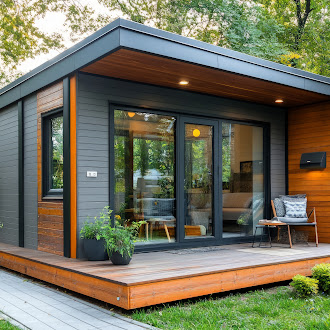
Is It Easier to Get Financing for a Code Approved Tiny Home?

legal tiny house

Let’s get straight to it: money. You can dream all day, pin cozy lofts on Pinterest, and sketch that wood-burning stove in the corner. But unless you’ve got a pile of cash, financing is the wall between you and living small.

And here’s the kicker — whether your home is code approved or not will make or break your chances with a bank.
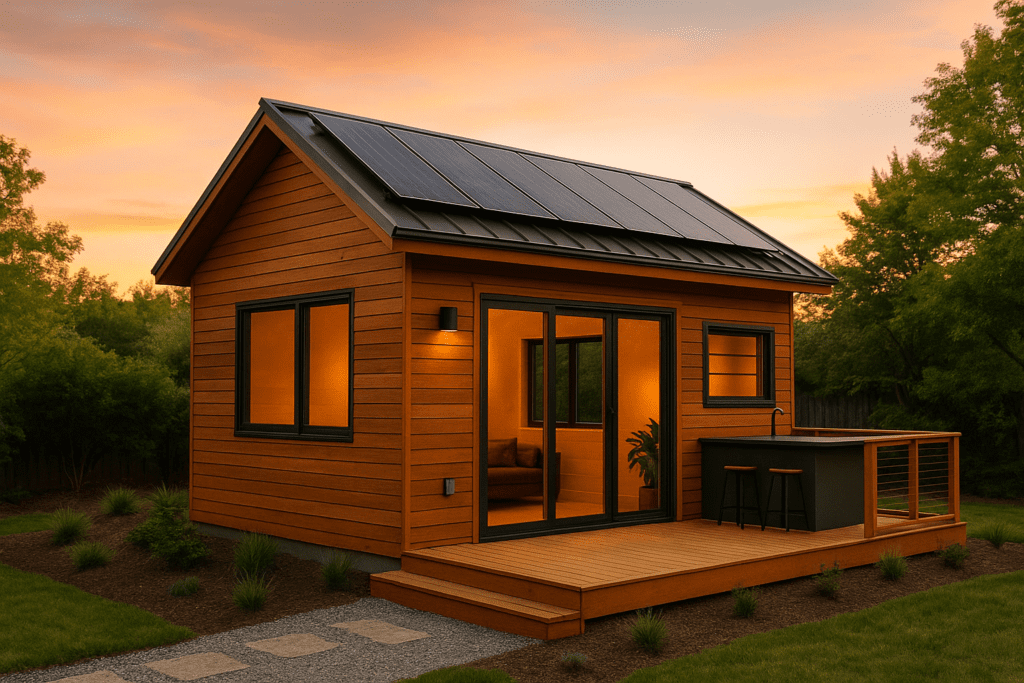
Tiny house trailer frame engineered for small homes

Regular Tiny Homes vs. Code Approved Tiny Homes

Not all tiny homes are equal.

  • Code Approved Tiny Home → Engineered, inspected, and stamped. Recognized as a legitimate dwelling.
  • DIY / Non-Code Home → Built off the books. Maybe pretty on Instagram, but not bankable.

When a lender hears code approved tiny home they see less risk. Safer wiring, stronger structures, an inspector’s sign-off. Without it? Your home looks like a fancy shed on wheels.


Why Banks Care About Code Approval

Banks aren’t gamblers. They need guarantees. Here’s why code approval makes financing easier:

  • Collateral Value → Code-approved homes can be appraised, giving banks something to seize if you default.
  • Insurance Coverage → Easier to insure, which banks require before lending.
  • Resale Market → Buyers want “code approved,” so lenders know they can resell if needed.

Short answer: yes, it’s way easier to get financing for a code approved tiny home.


Why the Trailer Matters More Than You Think

Every house has a foundation. In a tiny house, that’s the trailer.

Grab a cheap trailer off Craigslist and you’re done before you start. Inspectors and lenders know the difference. A home is only as good as what it sits on.

That’s why Trailer Made Custom Trailers exists. Our engineered frames are built to pass inspection, meet code, and last decades. Skip this step and you’re fighting uphill for financing.


Tiny House Kits vs. Working With an ADU Builder

  • Tiny House Kits → DIY-friendly and cheaper upfront, but rarely code approved unless you know the standards cold. Financing? Tough.
  • ADU Builder → Handles permits, inspections, compliance. More expensive, but ends with a code-approved home banks will finance.

If financing is the goal, an ADU builder is usually the smarter path.


Why Cutting Corners Costs More

Skipping code approval looks cheap now, but it costs you later:

  • Harder resale.
  • Limited insurance.
  • No mortgage financing.
  • Risk of being red-tagged.

And a bad trailer foundation? That’ll fall apart long before an engineered one, draining your savings on repairs.


ADU for Sale: The Financing Shortcut

Banks love ADUs compared to off-grid tiny homes. Why? They’re tied to property, on permanent foundations, and always code approved.

Trailer Made builds engineered foundations for ADUs too, giving you lender confidence without losing tiny home flexibility.


Tiny Houses for Sale in Colorado: Location Matters

Colorado has been a hotbed for tiny houses, but rules change by county.

  • Some counties welcome ADUs and code-approved tiny homes.
  • Others treat them like outlaws.

If you’re looking at a tiny house for sale in Colorado, make sure it’s code approved and legal where you plan to park it. That’s the difference between financing success and a giant headache.


Final Thoughts: Don’t Gamble With Financing

Financing a tiny house isn’t impossible. But it’s only smooth if you go the code-approved route.

Start with the right foundation. Don’t gamble on permits, trailers, or inspections. The cheapest path upfront almost always costs more later.

👉 Visit Trailer Made Custom Trailers to start with an engineered trailer foundation. Build it right, build it to last.


FAQs: Financing Code Approved Tiny Homes

1. Can I finance a DIY tiny house if it’s not code approved?
It’s hard. Most lenders won’t touch it. You’ll be stuck with RV loans or personal loans at higher interest.

2. Why is a code approved tiny home easier to insure?
Because it’s been inspected for safety. Less risk for insurers, which makes banks happy too.

3. Do I need a special trailer for a code approved tiny home?
Yes. An engineered trailer is your foundation. Without it, you won’t pass inspection or get financing.

4. Is it easier to finance an ADU than a tiny home?
Usually yes. ADUs are tied to land and appraised with the main property, which lenders prefer.

5. Are tiny houses for sale in Colorado more likely to be code approved?
Often, yes. Colorado is more tiny-home-friendly than most states, and many builders push code-approved models for easier financing.

Tiny House Code vs. Building Code: Why It Matters

Tiny house trailer frame engineered for small homes

Let’s be real. Tiny houses are great — they let you cut the crap, live smaller, and focus on what actually matters. But the second you start Googling tiny house for sale near me or sketching out your own plans, you’re gonna hit a wall called building code. And right behind it is this other animal called tiny house code.

They sound the same. They’re not. And if you don’t know the difference, you can wind up with a home that’s unsafe, illegal, and basically worthless when you try to insure or sell it.


Why Codes Exist in the First Place

Codes aren’t there to annoy you. They exist because somebody cut corners and people got hurt. Bad wiring. Cheap stairs. Fires. Collapses. You name it.

For big houses, the IRC building code makes sense. But tiny houses don’t fit that mold — they’re part RV, part house, sometimes part ADU. That’s why Appendix Q (the “tiny house code”) was written — to keep tiny homes legal and livable without trying to cram them into McMansion rules.


Building Code = Big House Rules

  • Minimum square footage that’s bigger than most tiny homes.
  • Ceiling heights that won’t work in a loft.
  • Full-size stairs, fire exits, plumbing, electrical.

If you want a house on a slab in the suburbs, you follow these rules. Period. But they don’t work for a 300-square-foot build.


Tiny House Code = Reality Check

Appendix Q (added in 2018) is the break tiny homes needed. It says:

  • Lofts can have shorter ceilings.
  • Ladders and alternating-tread stairs are allowed.
  • Emergency exits can actually fit a tiny loft.

Basically, it acknowledges the obvious: small homes need different rules.


Wheels Complicate Everything

If you’re shopping a kit or an ADU for sale, this is where people trip:

  • On a foundation = building code or tiny house code.
  • On wheels = usually treated as an RV.

Problem is, RV trailers aren’t built for full-time housing. They twist, they sag, and they flat-out fail. That’s why engineered tiny house trailers exist. At Trailer Made, that’s all we build — frames designed to carry a house for decades. Not a weekend camper.

tiny house trailers

Where Folks Blow It

Top mistakes I see every week:

  1. Ignoring zoning. Passing code doesn’t mean you can park it anywhere.
  2. Mixing RV and house codes like a buffet. Doesn’t work.
  3. Expecting inspectors to “let it slide.” They won’t. And you don’t want them to if safety’s on the line.

Bottom Line

  • Building code = traditional homes.
  • Tiny house code = under 400 sq. ft. homes, realistic rules.
  • On wheels = RV laws + the need for a proper engineered trailer.

If you cheap out on the trailer, you’ve already lost. The prettiest house in the world won’t save you if the foundation bends or cracks.


FAQs About Tiny House Code vs. Building Code

1. Do I need a permit to build a tiny house?
Yes. Even if you’re under 400 sq. ft., you’ll need permits, inspections, and zoning approval. Skipping this step is how people end up with red tags and fines.

2. What is Appendix Q in the tiny house code?
Appendix Q is part of the IRC written for tiny homes under 400 square feet. It allows lower ceiling heights in lofts, alternate tread stairs, and smaller egress windows.

3. Can I live full-time in a tiny house on wheels?
Usually no, unless your area makes exceptions. Tiny homes on wheels fall under RV rules, which limit where you can legally park them.

4. What’s the difference between a tiny house trailer and an RV trailer?
An engineered tiny house trailer is built to hold the permanent weight of a house, including plumbing and insulation. An RV trailer is designed for lightweight travel. They are not the same.

5. What happens if I ignore tiny house code?
You risk safety problems, insurance denial, resale headaches, and possible eviction if inspectors catch it. Cutting corners upfront costs more down the line.


👉 Before you click “buy” on that tiny house for sale near me, look underneath it. If it’s on a random equipment trailer, walk away. If you want a house you can actually live in for decades, start with a Trailer Made foundation.Tiny House Code