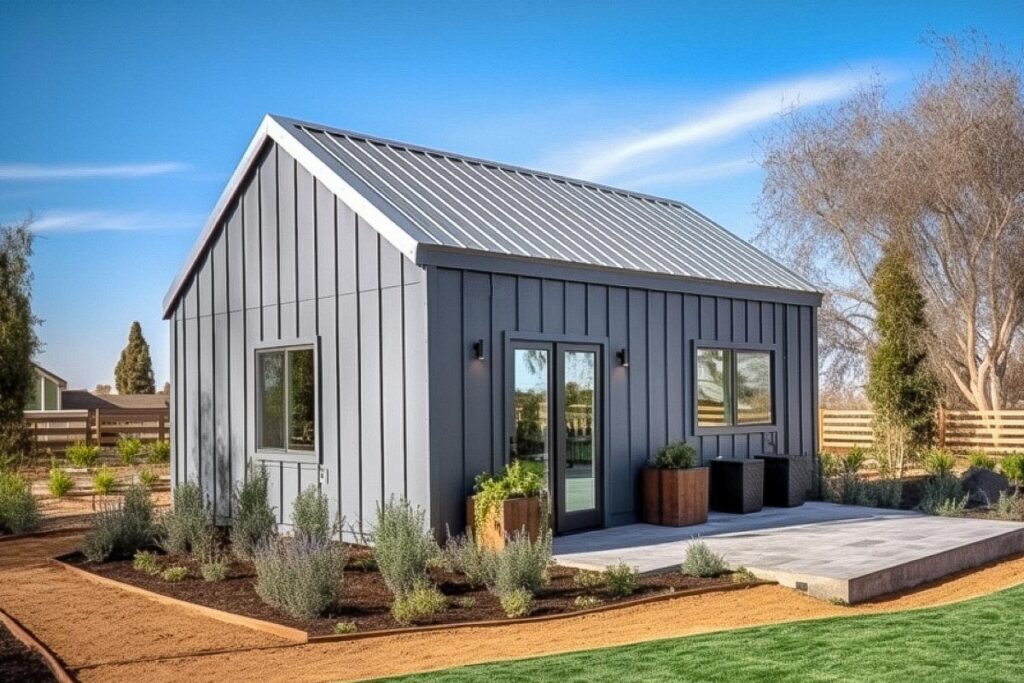

Let’s get real. A lot of people want to know: Can I use a tiny house as an ADU?
The answer? Sometimes yes. Sometimes no. It all depends on how you build it, where you put it, and whether the local city or county inspector decides to sign off.
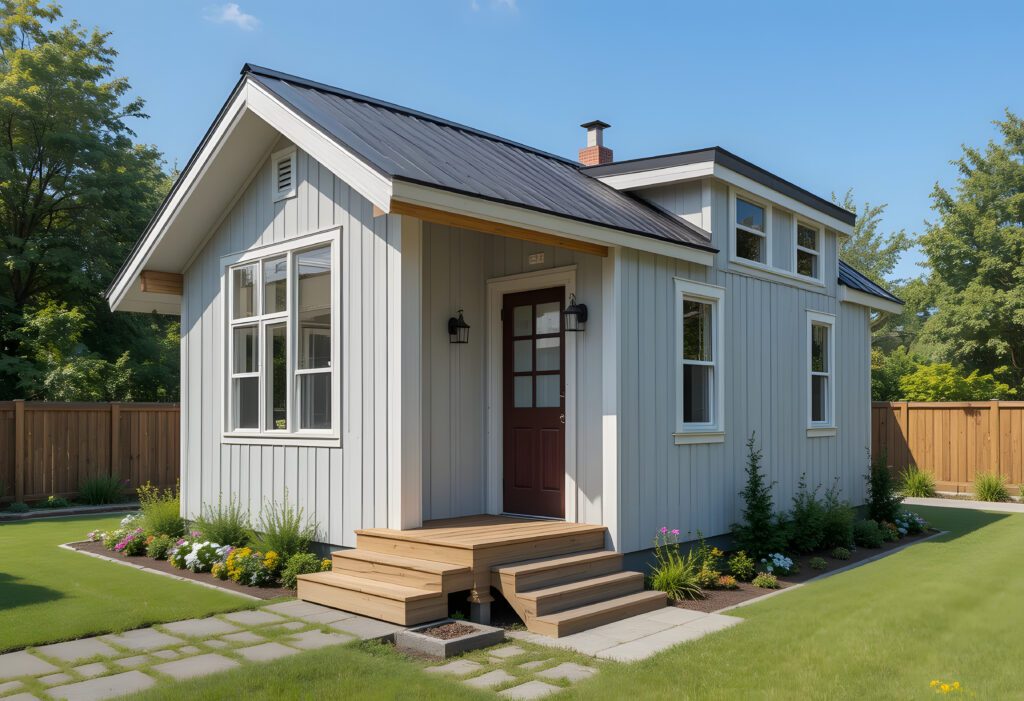
What Exactly Is an ADU?
An ADU — Accessory Dwelling Unit — is a second home on the same lot as your main house. It could be a garage apartment, a basement conversion, or a detached unit in the backyard.
Cities like Denver, Austin, and just about everywhere in California are opening the doors to ADUs because of the housing crisis. They’re a way to create space for aging parents, adult kids, or a rental for extra income.
But here’s the catch: an ADU isn’t just a shed with plumbing. It has to meet code. That means setbacks, square footage, ceiling heights, plumbing, electrical — the full list of building requirements.
Legal Tiny House vs. Just Another Camper
This is where people get tripped up. They assume a tiny house on wheels is the same as an RV. It might look like one, but legally it’s a different story.
A legal tiny house is built to IRC Appendix Q — residential code designed for small homes. That means proper ceiling heights, stairs or ladders that meet safety standards, smoke alarms, egress windows — everything an inspector expects in a home.
An RV or camper? Built for recreational standards. That’s fine for camping trips. Not fine for permanent housing.
And here’s where it gets even more important: an IRC-approved tiny house, whether on wheels or a foundation, is not the same as an ANSI-approved park model RV. ANSI (A-N-S-I) is the code RVs and park models are built to. They’re not considered inhabitable for full-time occupancy.
Here’s why that matters:
- With an IRC-built tiny home, you can pull a certificate of occupancy from your local jurisdiction. That makes it a legal dwelling.
- With an ANSI park model RV, you cannot pull a certificate of occupancy anywhere in the U.S. They’re recognized only as recreational vehicles, not permanent housing.
That’s the difference between a house the city signs off on, and something that will never legally qualify as an ADU.
Why the Trailer Matters More Than the Shiplap
Most people obsess about finishes. Shiplap walls, farmhouse sinks, loft ladders — the “fun” parts. The problem is, none of that matters if your trailer isn’t engineered.
The trailer is the foundation. Cheap utility trailers twist, sag, and fail. And once an inspector sees it’s not engineered, your ADU application is dead on arrival.
A Trailer Made Custom Trailer is designed specifically for tiny homes and ADUs. Engineered steel, proper axles, balanced weight distribution. Built for housing loads, not for hauling lawnmowers. That’s the difference between a house the city signs off on and a “backyard camper” they red-tag.
California Example: Friendly but Strict
California is one of the friendliest states for ADUs, but it’s also one of the strictest when it comes to standards.
Yes, you can install a tiny home as an ADU. But if it’s a movable unit, the law requires an engineered trailer and certification. If you don’t meet that standard, your “ADU” is nothing more than an RV in the city’s eyes.
How Small Can an ADU Be?
Most cities set the minimum ADU size between 150 and 200 square feet. That’s the legal floor.
It just so happens that most tiny homes — including the ones you’ll see when you search tiny home for sale Colorado — fall right in that sweet spot of 200–400 square feet. Big enough to live in, small enough to qualify as an ADU.
What Qualifies as an ADU?
The general requirements in most of the U.S. look like this:
- Same lot as a primary home.
- Separate kitchen, bathroom, and sleeping area.
- Meets building code and zoning.
- Either on a permanent foundation, or recognized as a legal movable tiny home built to IRC residential standards.
A tiny home can absolutely qualify — but only if it’s built legally and placed on a proper foundation.
Why Doing It Right Matters
This is where the dreamers get burned. Building a legal tiny house ADU costs more up front. You need a proper chassis, proper build, and proper paperwork.
But here’s the payoff:
- Your ADU passes inspection.
- It adds real property value.
- You can rent it legally for income.
- You avoid eviction notices and fines.
A Craigslist camper conversion might look cheaper, but it won’t hold value or pass inspection. A legal ADU built on a Trailer Made chassis does both.
Why Trailer Made Sets the Standard
Plenty of companies slap the “tiny house trailer” label on frames. Most of them aren’t engineered for long-term housing loads.
Trailer Made Custom Trailers are different:
- Engineered and stamped for code compliance.
- Built for decades of weight, stress, and movement.
- Recognized by inspectors as a legitimate foundation.
If you want a legal tiny house ADU, you don’t gamble on the cheapest trailer. You start with a foundation built to last.
Final Word
So, can a legal tiny house be used as an ADU? Yes. But only if it’s built to IRC standards, inspected, and set on an engineered foundation.
Do it right, and you add value to your property, create housing for family or income, and avoid the nightmare of fines or red tags.
👉 Want to dig deeper into what makes a tiny home truly legal and code-compliant? Check out our YouTube channel, The Tiny House Experts for videos that break it all down.
FAQs About Legal Tiny Homes and ADUs
1. What makes a tiny house “legal”?
A legal tiny house is built to IRC Appendix Q standards (residential code for small homes). That’s very different from an ANSI park model RV. An IRC-built tiny home can pull a certificate of occupancy from your local jurisdiction, which means it’s recognized as a real dwelling. An ANSI RV or park model cannot — they’re for recreation, not full-time living.
2. Can I use a tiny home for sale in Colorado as an ADU?
Yes, but only if it meets IRC code and is installed on a proper foundation or an engineered trailer like those from Trailer Made Custom Trailers. Many “tiny homes for sale in Colorado” are built to be movable ADUs that can qualify if they meet local zoning requirements.
3. How small can an ADU be?
Most jurisdictions set the minimum at 150–200 square feet. That’s why tiny homes are a great fit — they fall right into that sweet spot of 200–400 sq ft, big enough to live in, small enough to be legal.
4. Can a park model RV qualify as an ADU?
No. Park models are built to ANSI standards, not IRC residential code. Because of that, you cannot pull a certificate of occupancy for a park model anywhere in the U.S. They’re recreational, not residential.
5. Why does the trailer matter for a legal tiny home?
The trailer is the foundation. A cheap utility trailer won’t pass inspection. A Trailer Made Custom Trailer is engineered, stamped, and designed to meet housing loads, which is why inspectors recognize it as a legitimate foundation for an ADU.
6. Can a tiny house on wheels really count as an ADU?
Yes, but only if it’s built to IRC residential code and placed on an engineered trailer. Cities like Denver and many California municipalities allow movable tiny homes as ADUs — but only when they meet these standards. Otherwise, they’re just RVs in the eyes of the law.
7. How does building a legal tiny house ADU add value?
A legal ADU increases property value, provides long-term rental income opportunities, and keeps you compliant with local housing laws. Unlike a DIY camper or a park model, a legal tiny house ADU will actually pass inspection and hold resale value.
8. Where can I learn more about legal tiny homes and ADUs?
Check out our YouTube channel, The Tiny House Experts. We break down the difference between RVs, legal tiny houses, modular ADUs, and engineered trailers so you know exactly what will pass inspection.