Why Modular Trailer Homes Are Gaining Popularity in 2026

tiny house frame kits

Something’s shifting. You can feel it.

More people are stepping away from oversized houses, crazy mortgages, and long construction timelines… and looking at smarter options. Smaller, yes. But not cheap. Not temporary either. Just… better thought-out living.

That’s where modular trailer homes and the whole ADU kit builder space come in.

And honestly, it’s not just a trend anymore. It’s becoming the normal.

Let’s break it down properly.

ADU kit home builder

The Shift Toward Smarter Living

People keep calling it the “tiny living movement.” That’s part of it, sure. But that’s not the full story.

The real shift? Control.

Control over cost. Control over design. Control over how and where you live.

Traditional homes don’t really give you that anymore. Long builds, delays, budget overruns… You start with one plan, and six months later, it’s a completely different mess.

With a solid ADU kit home builder, things feel more predictable. Structured. Planned.

And yeah, faster.

That’s why you’re seeing more searches like adu builders near me and custom adu builders. People aren’t just browsing anymore. They’re ready to build.

What Exactly Is a Modular Trailer Home?

Let’s keep it simple.

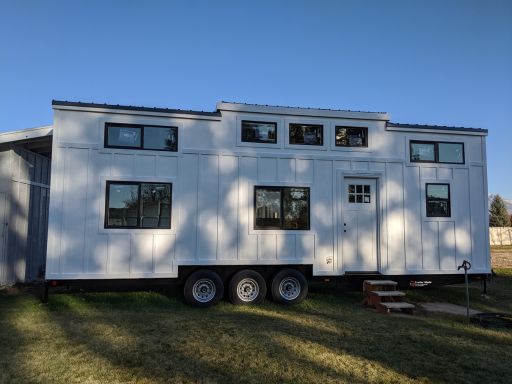
A modular trailer home is basically a prefabricated structure built on a high-quality engineered trailer. It’s designed in sections (modules), then assembled into a complete living space.

But here’s where people get it wrong…

They assume it’s just a “cheap alternative.”

It’s not.

A well-built modular home, especially one coming from a serious Engineered ADU kit builder, is designed for long-term use. Real living. Not a temporary fix.

And the trailer underneath? That’s the foundation. Literally.

Mess that part up, and everything else suffers.

Why 2026 Is Different

This isn’t new tech. Modular builds have been around for years.

But 2026 is hitting different.

A few reasons:

1. Housing Costs Are Out of Control

No way around it. Buying land + building traditional homes isn’t realistic for a lot of people anymore.

So they’re looking at:

  • Backyard units
  • Rental ADUs
  • Compact primary homes

That’s where Backyard ADU kit builder solutions come in strong.

You can build on existing property. Skip half the headaches. Still get a fully functional space.

2. Speed Matters Now

People don’t want to wait 10–14 months for a house anymore.

With a Prefab ADU kit builder, you’re looking at drastically reduced timelines.

Design → Build → Install.

No endless delays. No “we’ll get back to you next week” contractors.

3. Flexibility Is a Big Deal

Life changes fast.

You might need:

  • A rental unit
  • A home office
  • A guest space
  • A full-time residence

Modular ADUs give you that flexibility.

That’s why terms like “ADU contractors near me” and “modular ADU kit builder” are trending. People want options, not rigid setups.

The Role of an ADU Kit Builder (And Why It Matters)

Here’s the thing most people overlook.

Not all builders are equal.

An ADU kit builder doesn’t just “sell kits.” A good one designs systems. Complete solutions.

They think about:

  • Structural integrity
  • Weight distribution
  • Long-term durability
  • Ease of assembly
  • Real-world use (not just showroom looks)

And if they’re serious, they’re also focused on engineered trailers.

That part is non-negotiable.

Let’s Talk About the Trailer 

Most people get excited about layouts. Interiors. Finishes.

Fair enough.

But the real backbone? The trailer.

A proper Structural ADU kit builder understands this.

You’re not just placing a house on wheels. You’re building a structure that needs to:

  • Handle weight correctly
  • Stay stable over time
  • Resist flexing and warping
  • Support long-term use without failure

Cheap trailer = problems.

And not small ones. Structural issues. Cracks. Misalignment. Doors that stop closing properly after a year.

Yeah… it gets messy.

This is why working with a pre-engineered ADU home kits provider matters. Everything is calculated upfront.

No guessing.

Why Cutting Corners Is a Bad Idea (Seriously)

Let’s be real for a second.

A lot of people try to save money at the wrong place.

They go with:

  • Low-cost trailer frames
  • Unverified builders
  • Generic kits without engineering

Looks fine at the start.

Then things start shifting. Literally.

A year later, repairs cost more than what they saved.

If you’re investing in a modular home, do it right the first time. Work with the best ADU builders who actually understand engineered systems.

Not just aesthetics.

Custom vs Prefab: What People Are Choosing in 2026

There’s a mix happening.

Some people want fully custom builds. Others prefer prefab kits for speed and simplicity.

Custom ADU Kit Construction

With a custom ADU builder’s setup, you get:

  • Personalized layouts
  • Unique finishes
  • Full control over design

Takes longer. Costs more. But it’s tailored.

Prefab & Modular Kits

With a prefab ADU kit builder:

  • Faster delivery
  • Pre-designed systems
  • Lower risk of delays

It’s not “basic” though. Good manufacturers still offer flexibility.

The Sweet Spot

A lot of people are choosing hybrid options.

Structured kits… with customization layered on top.

That’s where a turnkey ADU kit builder really shines.

You get:

  • Design
  • Build
  • Delivery
  • Setup

All handled.

Less stress. Less back-and-forth.

ADUs Are Becoming Income Assets

This part matters more than people admit.

ADUs aren’t just for living anymore. They’re income tools.

People are using them for:

  • Long-term rentals
  • Short-term stays (Airbnb, etc.)
  • Office rentals
  • Guest accommodations

That’s why searches like “ADU  for sale” and “affordable ADU builders” are rising.

It’s not just about saving money. It’s about making it.

Quality vs Cost (Where You Should Actually Spend)

You can cut costs in some areas. Interiors, finishes, and appliances can be upgraded later.

But don’t cut costs on:

  • Trailer engineering
  • Structural design
  • Load calculations

That’s the core.

A serious ADU kit home manufacturer will always emphasize structure first. Everything else comes after.

What to Look for in an ADU Kit Builder

Quick reality check.

Not every builder claiming to be the “best” actually is.

Here’s what matters:

1. Engineering First Approach: If they’re not talking about structure and weight distribution… walk away.

2. Proven Systems: Look for builders offering Modular ADU kit builder solutions with tested designs.

3. Real-World Experience: Not just designs. Actual builds. Actual usage.

4. Transparency: Clear pricing, timelines, and no vague promises.

Why Trailer-Based ADUs Are Winning

Compared to traditional builds, trailer-based ADUs offer:

  • Mobility (if needed)
  • Faster setup
  • Lower foundation costs
  • Better adaptability

And when done right, they don’t feel “temporary” at all.

They feel solid. Permanent enough.

The Future of Modular Living

It’s not slowing down.

If anything, it’s accelerating.

More people are realizing:

  • You don’t need 3,000 sq ft to live well
  • You don’t need 2 years to build a home
  • You don’t need to overcomplicate things

What you need is a smart system. Built properly.

That’s where the right ADU kit builder comes in.

Final Thoughts 

Modular trailer homes aren’t a shortcut.

They’re a smarter path.

But only if you do it right.

Pick the right builder. Focus on engineering. Don’t cheap out on the trailer. Think long-term, not just upfront cost.

That’s it.

Everything else falls into place.

Ready to Start?

If you’re serious about building something that actually lasts… not just looks good for a few months…

Visit Trailer Made Trailers to start your build.

FAQs

What is an engineered ADU kit builder?

An engineered ADU kit builder focuses on structural design first, not just appearance. They create systems where every component, especially the trailer foundation, is calculated for weight, balance, and durability. This means fewer issues down the line. It’s not guesswork; it’s planned construction that actually holds up.

How are engineered ADU kits different from traditional construction?

Traditional construction often involves on-site decisions, delays, and unpredictable changes. Engineered ADU kits are pre-planned, pre-designed systems built for efficiency and consistency. Everything is thought through before building even starts. That leads to faster timelines, fewer mistakes, and more reliable outcomes.

Are engineered ADU kits cost-effective?

Yes, but not in the “cheap” way people think. You save on time, labor delays, and unexpected fixes. Over time, they can be more cost-effective than traditional builds. Especially when you avoid structural issues that come from poorly planned construction. It’s about value, not just price.

Can I customize a modular ADU kit?

Absolutely. Most custom ADU builders and prefab ADU kit builders allow a level of customization. You can adjust layouts, finishes, and features depending on your needs. Some builders offer fully custom solutions, while others provide flexible templates you can modify.

How do I find the best ADU builders near me?

Start by looking beyond just location. Search for the best ADU builders or ADU contractors near me, then dig into their experience, engineering approach, and past projects. A good builder will explain their system clearly. If they can’t… that’s usually a red flag.
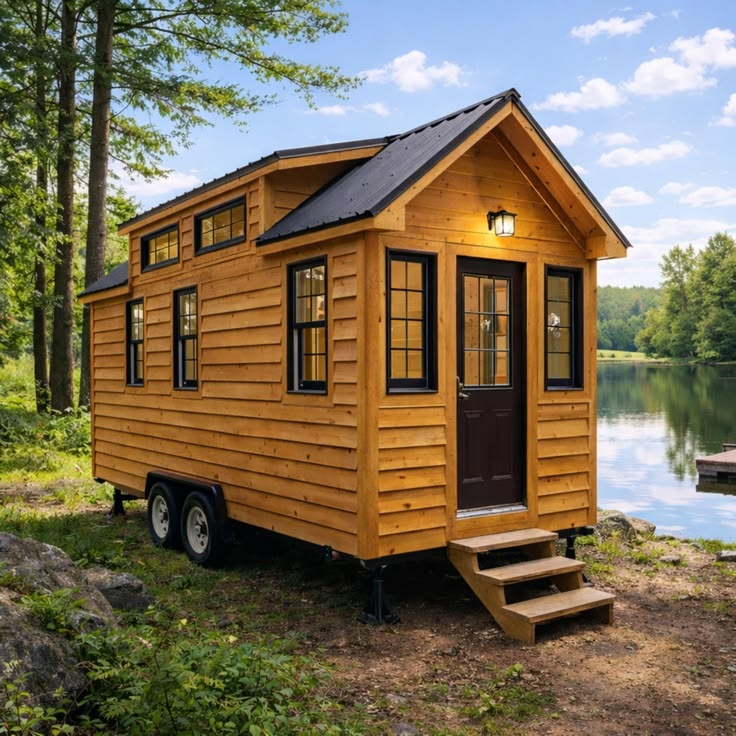
How Do Experts Turn Small Spaces Into Functional Dream Homes?

tiny home builders

Small-space living sounds simple on paper. Less square footage, fewer problems… right?

Not really.

The truth is, building a tiny home that actually works like it really works day-to-day takes serious planning. Smart decisions. And yeah, a few hard lessons most people only learn after messing things up once.

That’s where tiny home builders and real tiny house experts come in. The ones who’ve been doing this for years. Not just building something that looks good in photos, but something you can actually live in without losing your mind.

Let’s break it down. What they do differently. And why it matters way more than people think.

tiny home builders

Small Space Isn’t About Less. It’s About Being Smarter.

Most people assume tiny homes are just… scaled-down versions of regular houses.

They’re not.

You don’t just shrink things and call it a day. That approach fails fast.

Experts design tiny homes backward. They start with how you live.

  • Where do you sit every day?
  • How often do you cook?
  • Do you work from home?
  • Do you need storage or just think you do?

Every inch has a purpose. No filler.

That’s the difference between a cramped box and a functional space.

And honestly, this is where most DIY builds fall apart. People focus on aesthetics first, then layout. And this is the big mistake.

The Trailer Is Not Just a Base. It’s the Whole Foundation.

If your tiny house trailer isn’t built right, the rest of your home doesn’t matter.

You can have the best design in the world, premium interiors, expensive finishes… none of it saves you from a weak foundation.

A properly engineered tiny house trailer is built specifically for the weight, structure, and long-term movement of a tiny home. Not a modified utility trailer. Not something “close enough.”

This is where companies like Trailer Made stand out. They don’t treat trailers like an afterthought. It’s the starting point.

And it should be.

Because here’s what happens when people cut corners:

  • Frame flex over time
  • Uneven weight distribution
  • Structural stress cracks
  • Towing issues (which get dangerous, fast)

It doesn’t show up on day one. But it shows up.

And fixing it later? That’s expensive. Sometimes impossible.

Layout Is Everything. And Experts Obsess Over It.

You ever walk into a space and just feel like… something’s off?

That’s the layout.

Tiny house experts spend ridiculous amounts of time on layout. More than you’d expect.

Because in a small home, one bad decision ruins the flow.

A staircase in the wrong spot? You lose storage.
Kitchen too tight? You stop using it properly.
Bed placement off? Suddenly, your ceiling feels lower than it is.

It adds up.

That’s why experienced Tiny Home Builders don’t just design. They simulate real living.

They think about movement. Light. Reach. Even though doors open.

It’s not fancy. It’s practical.

Multi-Use Spaces Are Not Optional

In a traditional house, rooms have single purposes.

Living room. Bedroom. Office.

In a tiny home? That mindset doesn’t work.

Everything needs to do more than one job.

A bench becomes storage.
A table folds away.
A staircase doubles as cabinets.

Sometimes, even walls are designed to shift or open.

This is where smart design really shines. And where most build your own tiny house kit plans try to help, but not all of them get it right.

Some kits look good online, but in real life, they miss the mark on usability.

That’s why working with actual tiny house experts or choosing a well-designed system matters.

Storage Is Hidden. Everywhere.

Here’s the thing, people don’t expect.

Tiny homes don’t feel small when storage is done right.

And experts are… honestly kind of obsessive about it.

They use:

  • Under-floor compartments
  • Built-in shelving in dead spaces
  • Vertical storage most people ignore
  • Hidden cabinets you wouldn’t notice

Nothing is wasted.

Because if you don’t plan storage properly, clutter shows up fast. And once it does, the whole “minimal living” idea goes out the window.

Light Changes Everything

This part gets overlooked a lot.

Natural light can make a tiny home feel twice its size. No exaggeration.

Experts use window placement strategically. Not just “add more windows,” but placing them where they matter.

Above eye level. Across from each other. Near work areas.

It creates openness. Airiness.

Bad lighting? The opposite happens. Even a well-built home starts to feel tight and closed in.

Mobility vs Permanent Setup (ADU Thinking)

Not every tiny home is meant to move.

Some are built as ADU trailers / ADU foundation setups, basically small homes placed on properties for long-term living.

This is where things shift.

If mobility matters, weight distribution and aerodynamics come into play.

If it’s more of an ADU for sale setup, then stability, anchoring, and local regulations become more important.

Experienced builders know how to design for both scenarios.

And honestly, choosing the wrong setup for your lifestyle? That’s one of the biggest mistakes people make early on.

Why “Cheap” Builds Cost More Later

Let’s talk about it.

Everyone wants to save money up front. Makes sense. But in tiny homes, cheap decisions usually come back harder.

Especially with trailers.

You might save a few thousand using a non-engineered base. But over time?

  • Repairs. 
  • Reinforcements. 
  • Structural fixes.

And sometimes, starting over.

That’s why experienced tiny house experts push for quality from day one.

Not because it sounds good in marketing. But because they’ve seen what happens when people don’t.

Build Your Own Tiny House Kit – Good Idea or Risk?

The short answer? It depends.

A solid build your own tiny house kit can be a great starting point. Especially if it’s backed by real design expertise.

But not all kits are equal.

Some are just basic plans with no real-world testing. Others are engineered systems designed for actual living.

The difference shows up during the build. And after.

If you go this route, make sure:

  • The trailer is engineered for tiny homes
  • Plans account for real use, not just visuals
  • Support or guidance is available

Otherwise, you’re guessing your way through a project that doesn’t leave much room for mistakes.

Real Expertise Shows in the Details

Here’s something people don’t notice until later.

Expert builders think about things you wouldn’t even consider.

  • How insulation performs in different climates
  • Where moisture might build up
  • Electrical layouts that don’t feel cramped
  • Plumbing that’s actually accessible for maintenance

It’s not flashy stuff.

But it’s the difference between a home that works for years… and one that slowly becomes a problem.

Why Trailer Made Trailers Stands Out

When you look at experienced tiny home builders, one thing becomes clear.

The best ones don’t compromise on the foundation.

Trailer Made focuses heavily on engineered trailer systems built specifically for tiny homes and ADUs.

Not adapted. Not repurposed. Built for the job.

That matters.

Because everything else sits on top of it.

And when the base is right, everything else becomes easier, stronger, and more reliable.

Final Thoughts

Tiny homes are simple… until they’re not.

They demand more planning, not less.

They require smarter decisions, not shortcuts.

And they absolutely depend on the right foundation.

The difference between a dream tiny home and a frustrating one usually comes down to this:

Did you treat it like a serious build? Or just a small project?

Because it’s not small. It’s just compact.

Ready to Build It Right?

If you’re serious about building a tiny home that actually works long-term, don’t cut corners where it matters most.

Start with the right base. Work with real experts. Think beyond the surface.

FAQs

What do tiny home builders focus on when designing functional small homes?

Tiny home designers prioritize space, storage, and functionality. It’s not about “storing things” in a tiny home; it’s about making it function like a normal home. Designers look for flow, daylight, and versatility to avoid awkward and wasteful spaces.

Why do you need an engineered tiny house trailer?

A tiny house trailer is designed to support the structure and weight of a tiny house. It’s designed to balance, withstand, and remain safe over time. Without one, problems such as trailer frame stress, poor towing, and damage may occur.

Can you build your own tiny house kits?

Building your own tiny house kits can be successful if well-designed and engineered. It’s important to select a kit with a solid foundation, functional design, and good value. If not well designed, kits can cause more trouble than they save during and after construction

What’s the difference between an ADU trailer and a foundation?

An ADU trailer can be transported or semi-permanently set up, whereas a foundation is a permanent structure. ADU trailers are mobile, but they also need to be engineered for stability and safety and meet local building codes.

Why is it important not to cut corners on a tiny home?

Shortcuts in tiny homes, particularly with the trailer and structure, could result in costlier repairs in the future. Experts prioritize cost savings in the long run because it’s harder to fix problems after they have been built.

Why Most Tiny House Builds Fail (And How to Get the Foundation Right)

trailermadetrailers

Layout. Windows. Finishes. Aesthetics.

That’s where the attention goes.

But none of that matters if the structure underneath isn’t right.

👉 Because the trailer isn’t just something you set a house on.

It is the foundation.

A Tiny House Trailer Is a Structural System

A properly built, engineered tiny house trailer is designed to:

  • carry real housing loads
  • handle road movement and stress
  • maintain structural integrity over time
  • support full-time living

This isn’t just welded steel.

It’s engineering.

And when that part is wrong, everything above it eventually pays the price.

Common Mistakes That Lead to Failed Builds

1. Using a Standard Utility Trailer

Utility trailers are built for hauling—not housing.

That leads to:

  • frame flex
  • sagging floors
  • structural cracking

2. Ignoring Engineering Standards

If your trailer isn’t built to standards like:

  • IRC
  • ANSI
  • NOAH

You’re taking a serious risk.

This affects:

  • inspections
  • insurance
  • financing
  • long-term safety

3. Underestimating Weight

Tiny homes are heavy.

Without proper load design:

  • frames twist
  • doors and windows shift
  • stress builds over time

4. Designing for Day One Instead of Year Five

A build that looks good today
isn’t always a build that performs long-term.

Movement, weather, and use all add up.

Why the Trailer Is the Most Important Decision

Trying to save money on your trailer is one of the most expensive mistakes you can make.

Because when it fails:

👉 you’re not fixing a part
👉 you’re fixing the entire structure

—or rebuilding it entirely.

What to Look for in an Engineered Tiny House Trailer

If you’re serious about building, focus on this:

✔ Engineered Design

Load calculations, reinforced framing, proper axle placement.

✔ Built Specifically for Tiny Homes

Not repurposed. Not modified after the fact.

✔ Code Compliance

IRC, ANSI, NOAH standards matter for:

  • safety
  • legality
  • resale value

✔ Long-Term Durability

Your foundation must handle:

  • movement
  • weather
  • structural load

✔ A Real Warranty

A lifetime warranty shows real accountability.

Where Trailer Made Custom Trailers Fits In

At Trailer Made, we don’t just build trailers.

👉 We build engineered foundations for tiny homes and ADUs

  • Designed to IRC / ANSI / NOAH standards
  • Built specifically for housing loads
  • Used in thousands of builds nationwide
  • Backed by a lifetime warranty

We’ve seen where builds fail—and we build to prevent it.

DIY Builders and Tiny House Kits

If you’re planning to:

👉 build your own tiny house kit

That’s a great path.

But here’s the reality:

  • A great kit on a weak trailer = problems
  • A strong foundation + solid plan = success

The trailer is the decision that makes everything else easier.

ADUs and Mobile Foundations

Backyard ADUs are growing fast.

And more people are looking at:
👉 mobile ADU foundations and trailer-based systems

But the same rule applies:

👉 If the foundation isn’t engineered properly, nothing else holds up.

Sustainable Living Starts with Structural Longevity

Sustainability isn’t just:

  • solar panels
  • reclaimed materials
  • energy efficiency

It’s also:

👉 building something that lasts

A structure that performs for 20+ years
is far more sustainable than one that fails early.

The Bottom Line

Tiny homes and ADUs give people more control than ever.

But the success of your build comes down to one decision:

👉 the foundation

Get it right—and everything else becomes easier
Get it wrong—and you’re fixing problems for years

Why Most Tiny House Builds Fail (And How to Get It Right From the Start)

tiny house trailer

Everyone’s talking about tiny homes, ADUs, and “simpler living.”

Minimalism. Freedom. Lower costs. More control.

It all sounds great until you actually try to build one.

That’s where most people run into problems.

Because the biggest mistake in this entire space happens before the build even starts.

👉 It’s the foundation.

And in a tiny house or ADU on wheels…
Your foundation is the trailer.

tiny house trailer

Why Tiny Homes and ADUs Are Taking Off

There’s a reason this movement is growing fast.

  • Rising housing costs
  • Demand for flexibility
  • Backyard ADUs for income or family
  • DIY builders taking control of their own projects

Some people want a full-time home.
Some want a rental unit.
Some just want out of the traditional system.

And a lot of them are searching for:
👉 “build your own tiny house kit”
👉 “ADU cost”
👉 “tiny house trailer”

But almost all of them make the same mistake early on…


They Focus on the House—Not the Foundation

Layout. Windows. Finishes. Aesthetics.

That’s where the attention goes.

But none of that matters if the structure underneath isn’t right.

👉 Because the trailer isn’t just something you set a house on.

It is the foundation.

A Tiny House Trailer Is a Structural System—Not a Platform

A properly built, engineered tiny house trailer is designed to:

  • carry real housing loads
  • handle road movement and stress
  • maintain structural integrity over time
  • support full-time living conditions

This isn’t just welded steel.

It’s engineering.

And when that part is wrong, everything above it eventually pays the price.

Common Mistakes That Destroy Builds

1. Using a Standard Utility Trailer

This is one of the most common—and expensive—mistakes.

Utility trailers are built to haul equipment.

They are NOT designed to support a home.

Result:

  • flex and frame fatigue
  • sagging floors
  • cracking structures over time

2. Ignoring Engineering Standards

If your trailer isn’t built to standards like:

  • IRC
  • ANSI
  • NOAH

You’re taking a serious risk.

That affects:

  • inspections
  • insurance
  • financing
  • long-term safety

3. Underestimating Weight

Tiny homes aren’t light.

Between framing, insulation, appliances, and finishes, weight adds up quickly.

Without proper load design:

  • frames twist
  • doors and windows shift
  • structural stress builds over time

4. Thinking Short-Term

A lot of builds are designed for how they look on day one.

Not how they perform after years of:

  • movement
  • weather
  • real use

That’s where failures show up.

Why the Trailer Is the Most Important Decision You’ll Make

Trying to save money on your trailer is one of the most expensive mistakes you can make.

Because when it fails:

  • you’re not fixing a part
  • you’re fixing the entire structure

Or rebuilding it.

What to Look for in a Proper Tiny House Trailer

If you’re serious about building, this is what actually matters:

✔ Engineered Design

Load calculations. Reinforced framing. Proper axle placement.

No guesswork.

✔ Built for Tiny Homes (Not Repurposed)

There’s a huge difference between:

  • a trailer adapted for a house
  • a trailer designed for one

You want the second.

✔ Code Compliance

IRC, ANSI, NOAH.

These matter for:

  • safety
  • legality
  • long-term value

✔ Long-Term Durability

Your foundation needs to handle:

  • road movement
  • weather exposure
  • structural load

For years.

✔ A Real Warranty

A lifetime warranty isn’t marketing.

It’s accountability.

Where Trailer Made Fits In

At Trailer Made Custom Trailers, we don’t just build trailers.

👉 We build engineered foundations for real homes

  • Designed to IRC / ANSI / NOAH standards
  • Built specifically for housing loads
  • Used in thousands of real-world builds
  • Backed by a lifetime warranty

We’ve seen where builds fail.

That’s why we design them differently from the start.

DIY Builders and Tiny House Kits

If you’re planning to:
👉 build your own tiny house kit

That’s a great path.

But here’s the reality:

  • A great kit on a bad trailer = problems
  • A solid engineered foundation + decent build = success

The trailer is the decision that makes everything else easier.

ADUs and Mobile Foundations

Backyard ADUs are exploding right now.

And with that comes demand for:
👉 flexible, mobile foundation systems

But the same rule applies:

👉 If the foundation isn’t engineered properly, the rest doesn’t matter.

Sustainable Living Starts with Structural Longevity

Sustainability isn’t just:

  • solar panels
  • reclaimed wood
  • energy efficiency

It’s also:

👉 building something that lasts

A structure that performs for 20+ years without failure
is far more sustainable than one that needs constant repair.

The Bottom Line

Tiny homes and ADUs give people more control than ever.

But the success of that build comes down to one decision:

👉 the foundation

Get it right—and everything else gets easier
Get it wrong—and you’re fixing problems for years

[Request a Quote]

Ready to Start Your Build the Right Way?

Before you choose layouts, finishes, or kits…

👉 start with the foundation

Why Most Tiny House Builds Fail (And How to Get It Right From the Start)

tiny house trailer

Everyone’s talking about tiny homes, ADUs, and “simpler living.”

Minimalism. Freedom. Lower costs. More control.

It all sounds great—until you actually try to build one.

That’s where most people run into problems.

Because the biggest mistake in this entire space happens before the build even starts.

👉 It’s the foundation.

And in a tiny house or ADU on wheels…
your foundation is the trailer.

tiny house trailer

Why Tiny Homes and ADUs Are Taking Off

There’s a reason this movement is growing fast.

  • Rising housing costs
  • Demand for flexibility
  • Backyard ADUs for income or family
  • DIY builders taking control of their own projects

Some people want a full-time home.
Some want a rental unit.
Some just want out of the traditional system.

And a lot of them are searching for:
👉 “build your own tiny house kit”
👉 “ADU cost”
👉 “tiny house trailer”

But almost all of them make the same mistake early on…

They Focus on the House—Not the Foundation

Layout. Windows. Finishes. Aesthetics.

That’s where the attention goes.

But none of that matters if the structure underneath isn’t right.

👉 Because the trailer isn’t just something you set a house on.

It is the foundation.

A Tiny House Trailer Is a Structural System Not a Platform

A properly built, engineered tiny house trailer is designed to:

  • carry real housing loads
  • handle road movement and stress
  • maintain structural integrity over time
  • support full-time living conditions

This isn’t just welded steel.

It’s engineering.

And when that part is wrong, everything above it eventually pays the price.

Common Mistakes That Destroy Builds

1. Using a Standard Utility Trailer

This is one of the most common—and expensive—mistakes.

Utility trailers are built to haul equipment.

They are NOT designed to support a home.

Result:

  • flex and frame fatigue
  • sagging floors
  • cracking structures over time

2. Ignoring Engineering Standards

If your trailer isn’t built to standards like:

  • IRC
  • ANSI
  • NOAH

You’re taking a serious risk.

That affects:

  • inspections
  • insurance
  • financing
  • long-term safety

3. Underestimating Weight

Tiny homes aren’t light.

Between framing, insulation, appliances, and finishes, weight adds up quickly.

Without proper load design:

  • frames twist
  • doors and windows shift
  • structural stress builds over time

4. Thinking Short-Term

A lot of builds are designed for how they look on day one.

Not how they perform after years of:

  • movement
  • weather
  • real use

That’s where failures show up.

Why the Trailer Is the Most Important Decision You’ll Make

Trying to save money on your trailer is one of the most expensive mistakes you can make.

Because when it fails:

  • you’re not fixing a part
  • you’re fixing the entire structure

Or rebuilding it.

What to Look for in a Proper Tiny House Trailer

If you’re serious about building, this is what actually matters:

✔ Engineered Design

Load calculations. Reinforced framing. Proper axle placement.

No guesswork.

✔ Built for Tiny Homes (Not Repurposed)

There’s a huge difference between:

  • a trailer adapted for a house
  • a trailer designed for one

You want the second.

✔ Code Compliance

IRC, ANSI, NOAH.

These matter for:

  • safety
  • legality
  • long-term value

✔ Long-Term Durability

Your foundation needs to handle:

  • road movement
  • weather exposure
  • structural load

For years.

✔ A Real Warranty

A lifetime warranty isn’t marketing.

It’s accountability.

Where Trailer Made Fits In

At Trailer Made Custom Trailers, we don’t just build trailers.

👉 We build engineered foundations for real homes

  • Designed to IRC / ANSI / NOAH standards
  • Built specifically for housing loads
  • Used in thousands of real-world builds
  • Backed by a lifetime warranty

We’ve seen where builds fail.

That’s why we design them differently from the start.

DIY Builders and Tiny House Kits

If you’re planning to:
👉 build your own tiny house kit

That’s a great path.

But here’s the reality:

  • A great kit on a bad trailer = problems
  • A solid engineered foundation + decent build = success

The trailer is the decision that makes everything else easier.

ADUs and Mobile Foundations

Backyard ADUs are exploding right now.

And with that comes demand for:
👉 flexible, mobile foundation systems

But the same rule applies:

👉 If the foundation isn’t engineered properly, the rest doesn’t matter.

Sustainable Living Starts with Structural Longevity

Sustainability isn’t just:

  • solar panels
  • reclaimed wood
  • energy efficiency

It’s also:

👉 building something that lasts

A structure that performs for 20+ years without failure
is far more sustainable than one that needs constant repair.

The Bottom Line

Tiny homes and ADUs give people more control than ever.

But the success of that build comes down to one decision:

👉 the foundation

Get it right—and everything else gets easier
Get it wrong—and you’re fixing problems for years

Why Most Tiny House Builds Fail (And How to Get the Foundation Right)

tiny house

Everyone’s talking about tiny homes, ADUs, and simpler living.

Minimalism. Freedom. Lower costs. More control.

It all sounds great—until you actually try to build one.

That’s where most people run into problems.

Because the biggest mistake in this entire space happens before the build even starts.

👉 It’s the foundation.

And in a tiny house or ADU on wheels…

your foundation is the trailer.

tiny house

Why Tiny Homes and ADUs Are Growing Fast

There’s a reason demand is rising:

  • Housing costs are out of control
  • People want flexibility
  • Backyard ADUs are becoming income generators
  • More owner-builders are taking control of their projects

People are actively searching for:

  • tiny house trailer
  • engineered tiny house trailer
  • build your own tiny house kit
  • ADU cost and foundation options

But almost all of them make the same mistake early on…

They Focus on the House—Not the Foundation

Layout. Windows. Finishes. Aesthetics.

That’s where the attention goes.

But none of that matters if the structure underneath isn’t right.

👉 Because the trailer isn’t just something you set a house on.

It is the foundation.

A Tiny House Trailer Is a Structural System

A properly built, engineered tiny house trailer is designed to:

  • carry real housing loads
  • handle road movement and stress
  • maintain structural integrity over time
  • support full-time living

This isn’t just welded steel.

It’s engineering.

And when that part is wrong, everything above it eventually pays the price.

Common Mistakes That Lead to Failed Builds

1. Using a Standard Utility Trailer

Utility trailers are built for hauling—not housing.

That leads to:

  • frame flex
  • sagging floors
  • structural cracking

2. Ignoring Engineering Standards

If your trailer isn’t built to standards like:

  • IRC
  • ANSI
  • NOAH

You’re taking a serious risk.

This affects:

  • inspections
  • insurance
  • financing
  • long-term safety

3. Underestimating Weight

Tiny homes are heavy.

Without proper load design:

  • frames twist
  • doors and windows shift
  • stress builds over time

4. Designing for Day One Instead of Year Five

A build that looks good today
isn’t always a build that performs long-term.

Movement, weather, and use all add up.

Why the Trailer Is the Most Important Decision

Trying to save money on your trailer is one of the most expensive mistakes you can make.

Because when it fails:

👉 you’re not fixing a part
👉 you’re fixing the entire structure

—or rebuilding it entirely.

What to Look for in an Engineered Tiny House Trailer

If you’re serious about building, focus on this:

✔ Engineered Design

Load calculations, reinforced framing, proper axle placement.

✔ Built Specifically for Tiny Homes

Not repurposed. Not modified after the fact.

✔ Code Compliance

IRC, ANSI, NOAH standards matter for:

  • safety
  • legality
  • resale value

✔ Long-Term Durability

Your foundation must handle:

  • movement
  • weather
  • structural load

✔ A Real Warranty

A lifetime warranty shows real accountability.

Where Trailer Made Custom Trailers Fits In

At Trailer Made, we don’t just build trailers.

👉 We build engineered foundations for tiny homes and ADUs

  • Designed to IRC / ANSI / NOAH standards
  • Built specifically for housing loads
  • Used in thousands of builds nationwide
  • Backed by a lifetime warranty

We’ve seen where builds fail—and we build to prevent it.

DIY Builders and Tiny House Kits

If you’re planning to:

👉 build your own tiny house kit

That’s a great path.

But here’s the reality:

  • A great kit on a weak trailer = problems
  • A strong foundation + solid plan = success

The trailer is the decision that makes everything else easier.

ADUs and Mobile Foundations

Backyard ADUs are growing fast.

And more people are looking at:
👉 mobile ADU foundations and trailer-based systems

But the same rule applies:

👉 If the foundation isn’t engineered properly, nothing else holds up.

Sustainable Living Starts with Structural Longevity

Sustainability isn’t just:

  • solar panels
  • reclaimed materials
  • energy efficiency

It’s also:

👉 building something that lasts

A structure that performs for 20+ years
is far more sustainable than one that fails early.

The Bottom Line

Tiny homes and ADUs give people more control than ever.

But the success of your build comes down to one decision:

👉 the foundation

Get it right—and everything else becomes easier
Get it wrong—and you’re fixing problems for years

Ready to Start Your Build the Right Way?

Before you choose layouts, finishes, or kits…

👉 Start with the foundation