
Choosing a hauling trailer starts with the load, its dimensions and how it will be loaded and secured. A useful specification connects those requirements to the deck, frame, axles, brakes and towing setup.
A custom layout can be useful when standard configurations do not fit your equipment, access needs or working routine. The goal is a trailer with a documented capacity and a practical loading plan.
Compare equipment trailers, flatbed deckovers and crawler and UTV haulers against the equipment you actually plan to carry.
A standard trailer may be suitable when its specifications match the load and intended use. Custom manufacturing becomes valuable when deck dimensions, load concentration, loading access or securement require a different arrangement.
When a Custom Trailer Configuration Helps
Before comparing prices, write down the loaded equipment weight, overall width and length, wheelbase or contact points, ground clearance and any accessories carried with it.
Deck length alone does not establish usable capacity. Floor material, support spacing and the location of concentrated loads also need review.
An equipment load may bear on tires, tracks or a small number of feet. Share those contact locations so the design team can evaluate support where the load meets the deck.
Changes in loading position can alter tongue weight and axle loading. Follow the finished trailer and tow-vehicle instructions, and confirm the loaded arrangement before transport.
Separate Building Foundations from Cargo Transport
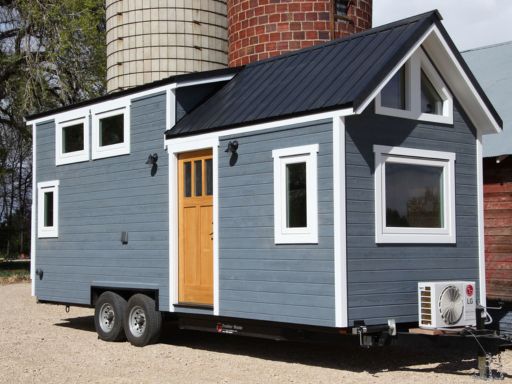
A tiny-house foundation trailer has a different design brief from a trailer used to move vehicles or machinery.
Include the anticipated completed building weight and the locations of tanks, appliances, partitions and other heavy components in a foundation review.
Discuss the connection between the building and its foundation early. Relevant details include:
- Building dimensions and expected completed weight.
- Locations of concentrated loads and structural connections.
- Plumbing and utility routes through or below the floor.
- Foundation, transport and site-installation responsibilities.
Trailer Made manufactures steel trailers and offers building-frame systems. Trailer chassis design and cold-formed building framing serve different purposes; your written scope should distinguish them and specify the engineering documentation included.
The Parts of a Real Custom Trailer
A practical custom-trailer brief covers the load, towing vehicle, loading method, operating environment and delivery destination.
For a raft trailer, include the loaded raft and frame dimensions, gear weight, roller or loading preferences and storage needs. For a UTV or crawler, include vehicle weight with accessories, track width, wheelbase and ground clearance.
1. Axle Placement and Weight Ratings
GVWR is the maximum rated total weight of the loaded trailer, including the trailer itself. Payload is the capacity available for cargo after accounting for the trailer’s unloaded weight and installed equipment. Confirm the finished trailer’s ratings and the tow vehicle’s limits; do not treat GVWR as cargo capacity.
2. Steel Quality and Floor Supports
Specify the loads and loading method before choosing floor supports, ramps and tie-down locations. Ramp and securement ratings must suit the intended equipment and use; they are confirmed as part of the final configuration.
3. Rules, Codes, and Stamped Papers
Ask which engineering documents, ratings and compliance requirements apply to the specific trailer and intended use. Building certifications do not replace trailer ratings, transport requirements or site approvals. Confirm insurance coverage with your insurer.
Compare Specifications, Scope and Warranty
Compare manufacturers using a written specification, relevant project examples and warranty terms. Ask what is included in the price and what remains an option or a customer responsibility.
Trailer Made’s lifetime warranty applies to fabricated steel, subject to the written warranty terms. Purchased components carry their applicable warranties; lifetime coverage is not a promise that all parts or all damage are covered.
Send the delivery ZIP code, expected operating conditions and target timing with the load details. Production availability, freight, final dimensions and pricing are confirmed in the written quote.
Photos and a simple dimensioned sketch of the load can help the team identify questions before preparing the configuration.
Request a trailer quote built around your load.
Request a custom equipment-trailer quote or call 303-990-9497. Include dimensions, loaded weight, loading and tie-down needs, delivery ZIP code and timing. Manufacturing is based in Olathe, Colorado, with nationwide sales and delivery coordination.
Frequently Asked Questions
How do tailor-made hauling solutions improve equipment transportation?
A custom configuration allows the deck, support locations and loading access to be planned around a specific load. Its suitability depends on the final specification and how the trailer is operated.
What are the benefits of custom hauling services for heavy equipment?
Potential benefits include a better fit for unusual loads and a loading arrangement suited to the working routine. Compare the complete quoted scope and operating requirements when deciding whether custom manufacturing is worthwhile.
Why choose specialized hauling for equipment transport?
Specialized configurations can help with wide loads, concentrated loads or difficult loading access. Share the actual equipment specifications instead of choosing only by overall deck size.
How does customized equipment transportation enhance safety?
Axle loading, tongue weight, brakes, tires, securement and towing-vehicle compatibility all matter. Custom design does not replace correct loading, maintenance or the manufacturer’s operating instructions.
What factors make tailor-made hauling solutions more efficient?
An appropriate deck layout, access and tie-down arrangement may simplify loading and unloading. Fuel use, maintenance costs and time savings vary with the equipment and operation; they are not guaranteed.