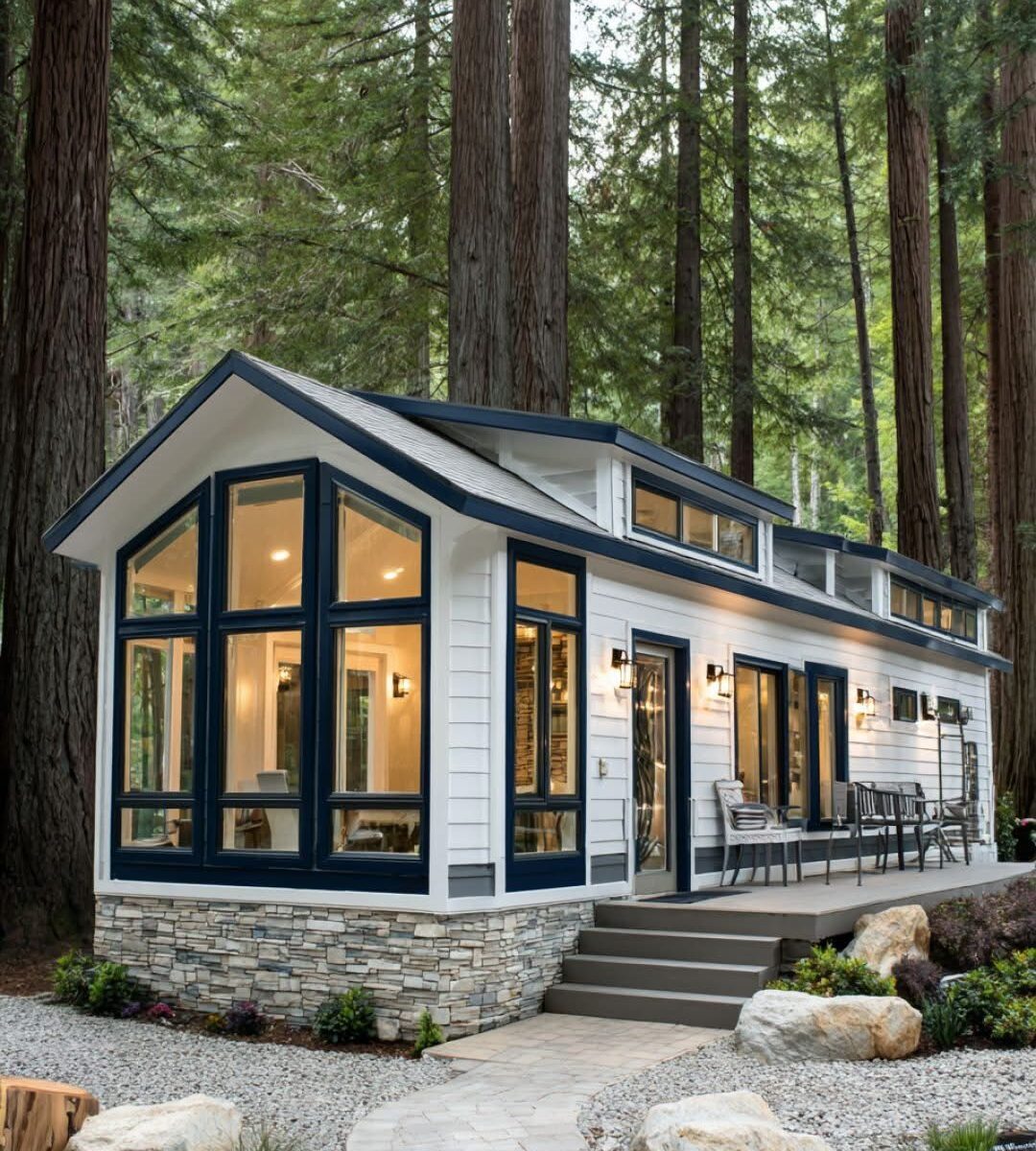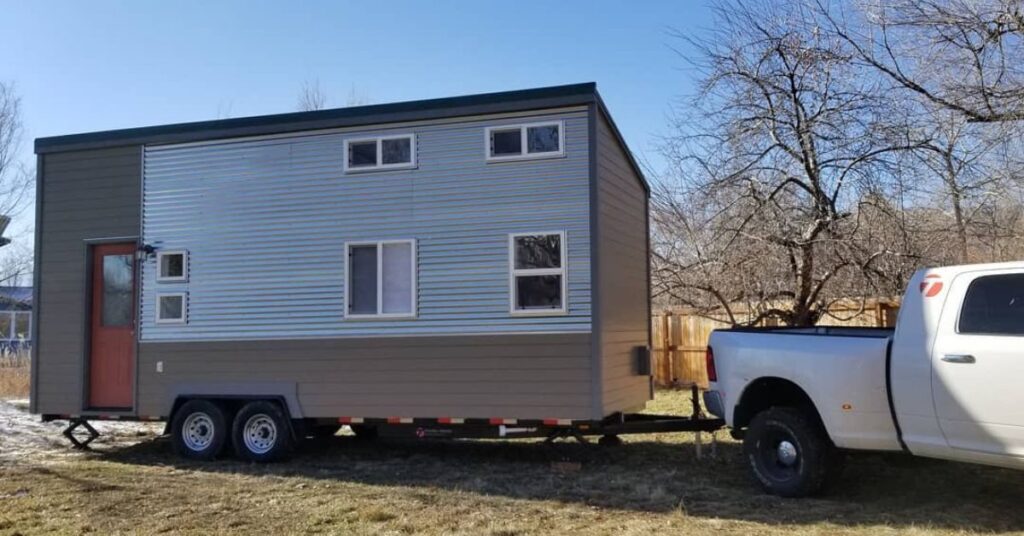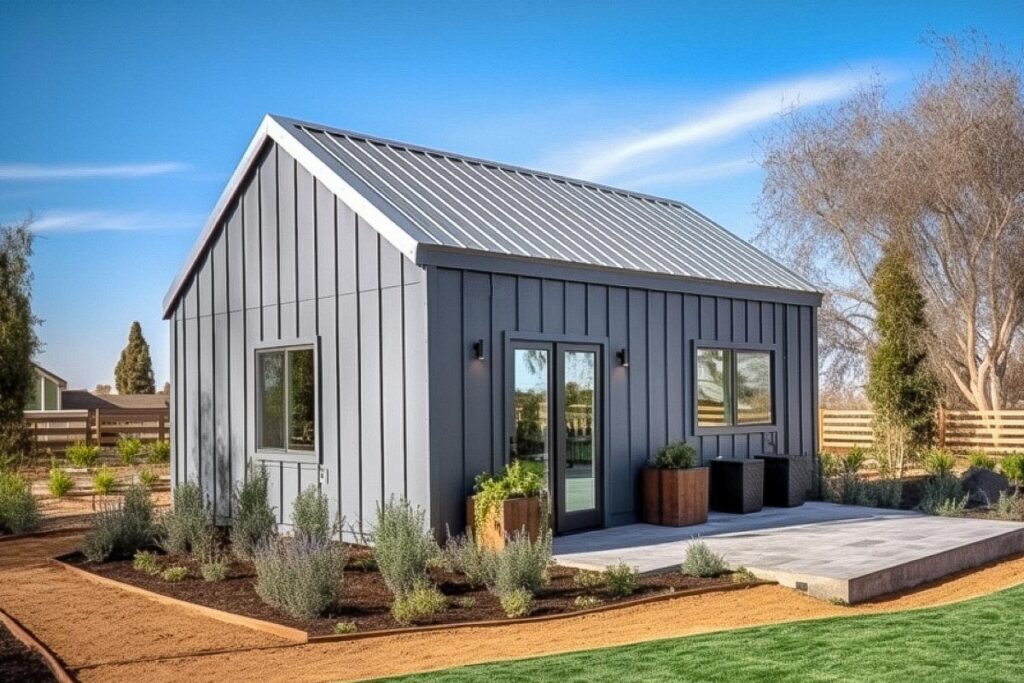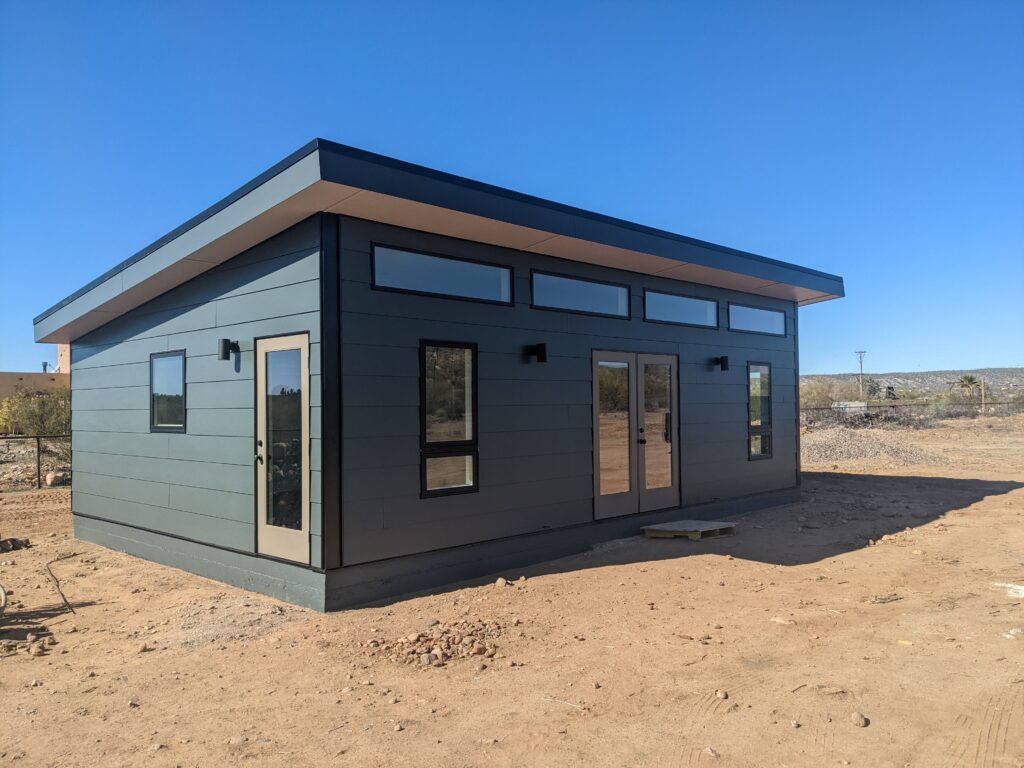

Trailer Made Custom Trailers

Trailer Made Custom Trailer Logo

What Are the Must-Have Features for Moving a Raft by Trailer?

Two men are carrying an orange inflatable raft to a river. They are wearing backpacks, jackets, and helmets.

There’s a big difference between casually hauling an inflatable raft to the river twice a year… and actually transporting rafts safely, repeatedly, and without destroying your gear halfway through the season.

A lot of people learn this the hard way.

They buy some cheap utility trailer off Marketplace, throw a raft on top with random straps, hit rough roads for a few months, then suddenly they’re dealing with bent frames, blown bearings, shredded rollers, unstable towing, or worse, a damaged raft worth thousands.

Truth is, river rafting gear transport gets ugly fast when the trailer isn’t built correctly from the beginning.

And honestly, this is where people cut corners way too often.

The raft itself gets all the attention. Meanwhile, the trailer, the thing carrying the entire load down highways, dirt roads, river access paths, boat ramps, and mountain terrain, gets treated like an afterthought.

That’s backwards.

At Trailer Made Trailers, this is the kind of stuff they’ve been dealing with for years. Real hauling setups. Real engineered frames. Real towing dynamics. Not fantasy Pinterest trailer builds that look good until they hit washboard roads in Idaho or steep river launches in Colorado.

inflatable raft trailer

Why a Dedicated Raft Trailer Actually Matters

People ask this all the time:

“Can’t I just use a regular boat trailer or utility trailer?”

Technically? Sure.

Should you? Usually no.

Inflatable raft transport has its own weird challenges. Rafts distribute weight differently than hard-bottom boats. They flex. They bounce. They shift under wind loads. Wet gear changes weight distribution constantly. Add coolers, dry boxes, frames, oars, fuel, recovery gear, maybe even camping equipment, and suddenly your setup weighs a lot more than expected.

Now combine that with:

  • rough launch roads
  • uneven gravel terrain
  • steep river access points
  • long-distance towing
  • Repeated water exposure

That’s where generic trailers start showing their weaknesses. A proper raft trailer hauling system is engineered around those realities instead of pretending they don’t exist. The engineering matters way more than most buyers realize.

Why Engineered Axle Placement Matters More Than Most Buyers Think

This part gets overlooked constantly. Probably because most trailer companies don’t explain it well.

Axle placement directly affects:

  • towing stability
  • sway control
  • tongue weight
  • braking performance
  • tire wear
  • overall handling

If the axle setup is wrong, the whole trailer feels sketchy behind the tow vehicle. Especially with inflatable raft transport, where loads shift more dynamically than rigid boats. You feel it at highway speeds first.

  • Trailer sway.
  • Bouncing.
  • Weird steering feedback.
  • Uneven tracking.
  • That’s not just annoying. It gets dangerous.

A properly engineered raft trailer for sale should be designed around actual load balancing, not generic “one-size-fits-all” axle positioning. And this is where experienced manufacturers separate themselves from generic weld shops. Anybody can weld metal together. Not everybody understands towing dynamics.

Raft Trailer Rollers Are More Important Than People Think

People underestimate raft trailer rollers until they use bad ones. Then suddenly they understand real quick. A quality raft trailer roller system helps protect the raft during loading and unloading while reducing unnecessary abrasion and stress on the inflatable material.

Cheap rollers usually fail in a few predictable ways:

  • poor alignment
  • weak mounting brackets
  • seized bearings
  • uneven pressure points
  • cracking from UV exposure
  • wobbling under heavier loads

And once the rollers stop functioning correctly, loading becomes a nightmare. Good raft trailer rollers should roll smoothly, support the raft evenly, and hold up under repeated exposure to water, mud, UV, and rough terrain. This sounds basic. But honestly, lots of trailers still get this wrong.

Aluminum Raft Trailer vs Steel: Which Is Better?

This debate never dies. And the truth is, both can work when engineered properly. But there are tradeoffs.

An aluminum raft trailer is lighter, naturally corrosion-resistant, and easier on fuel economy during long-distance towing. That matters for people constantly moving between river systems or hauling through wet environments.

But lightweight doesn’t automatically mean better. Poorly engineered aluminum trailers can flex too much under load if the design isn’t right.

Steel trailers, meanwhile, often provide excellent structural rigidity and durability for heavier hauling applications. Especially when dealing with larger raft setups or commercial rafting operations.

  • The important part isn’t just material choice.
  • It’s engineering quality.
  • That’s the real conversation.
  • Because a badly built aluminum trailer is still a bad trailer.

And a properly engineered steel trailer will outlast most bargain-bin competitors by years.

The Trailer Hitch Setup Can Make or Break the Entire Experience

People love blaming trailers for towing problems when half the time the trailer hitch setup is wrong. Improper hitch height alone can completely mess up towing stability.

  • Too nose-high? Now the weight distribution changes.
  • Too nose-low? Handling suffers again.

And then people wonder why the trailer feels unstable. A proper trailer hitch setup should keep the trailer level while maintaining correct tongue weight percentages for safe towing. This becomes even more important with raft hauling systems because gear loads change constantly depending on the trip.

One weekend, you’re carrying basic rafting gear. Next trip, you’ve added coolers, camp equipment, recovery gear, extra fuel, and suddenly the load balance shifts significantly. Experienced trailer builders understand these real-world variables. That’s why engineered trailer systems matter.

Water Exposure Destroys Cheap Trailers Fast

This part gets ignored constantly. Raft trailers live around water. But repeated water exposure absolutely destroys poorly built trailers over time.

  • Bearings fail.
  • Rust spreads.
  • Electrical systems corrode.
  • Cheap hardware deteriorates.
  • Rollers seize.

Brake components wear prematurely. Especially in regions where people deal with snow, road salt, mud, or repeated river launches. A quality boat trailer or inflatable raft trailer should be designed specifically with corrosion resistance and long-term durability in mind.

That includes:

  • sealed wiring
  • quality hardware
  • proper coatings
  • durable bearings
  • reinforced mounting points
  • engineered drainage considerations

The cheap trailers usually look fine in year one. Year three tells the real story.

Loading Simplicity Actually Matters

Nobody talks about this enough. If loading your raft becomes frustrating every trip, eventually you start hating the entire process. And honestly, complicated loading systems are usually a sign of poor trailer design. Good raft hauling systems should make loading smoother, faster, and more predictable.

Especially for:

  • solo operators
  • commercial rafting crews
  • long-distance travelers
  • repeat river users

The better the trailer design, the less physical abuse your raft takes during loading and unloading. That extends the life of the raft itself, too. Which matters because inflatable rafts aren’t cheap anymore.

Suspension and Tire Quality Matter More Than Fancy Accessories

Some trailer companies focus heavily on cosmetic upgrades. Meanwhile, the suspension underneath is garbage. That’s backwards.

Suspension quality directly affects:

  • towing stability
  • raft protection
  • trailer lifespan
  • bearing wear
  • frame stress
  • road handling

Especially on rough roads leading to river access points. A rough suspension setup transfers shock directly into the raft, the frame, and the gear being hauled. That constant punishment adds up over time. 

Cheap trailer tires are one of the fastest ways to ruin a trip. Blowouts on remote roads aren’t just annoying. They become safety problems really fast. A serious raft trailer for sale should prioritize structural quality before cosmetic extras.

Why Cheap Trailer Builds Usually Cost More Long-Term

This is probably the biggest misconception buyers still have. People think they’re saving money upfront. Sometimes they are. For about six months.

Then repairs start stacking up:

  • axle replacements
  • tire wear
  • lighting failures
  • roller repairs
  • cracked welds
  • rust problems
  • bearing failures
  • frame fatigue

Now suddenly, the “cheap” trailer isn’t cheap anymore. And this happens constantly in the trailer world.

Trailer Made leans hard into engineering, structural quality, and long-term durability because they’ve watched customers come back after learning this lesson the expensive way. There’s a reason experienced builders obsess over frame design, axle geometry, and load distribution. Because those things matter after 50,000 miles. Not just in the sales photos.

Real-World River Transport Is Harder Than Most Buyers Expect

The internet makes raft hauling look simple. It usually isn’t. Real-world inflatable raft transport involves:

  • steep launches
  • muddy access roads
  • highway crosswinds
  • overloaded gear weekends
  • rough terrain
  • weather exposure
  • long-distance travel
  • constant loading cycles

That’s why engineered trailers matter so much more than people realize at first. A properly designed raft trailer isn’t just about moving the raft. It’s about protecting your investment, reducing stress, improving towing safety, and making the entire rafting experience smoother long-term.

That’s where quality starts separating itself. And honestly, once people experience a properly engineered trailer setup, they usually never go back to cheap, generic trailers again. Because the difference becomes obvious fast.

Trailer Made Understands the Structural Side Most Companies Ignore

This is where Trailer Made stands apart from a lot of generic trailer manufacturers. They don’t treat the trailer like an accessory. They treat it like the structural platform on which everything depends. That mindset changes the entire build process.

  • Engineered systems.
  • Real-world towing knowledge.
  • Long-term durability focus.
  • Structural integrity.
  • Load balancing.
  • Quality fabrication.

That’s the kind of experience buyers should be looking for now. Especially if they’re investing serious money into rafting equipment, commercial river operations, or long-distance hauling setups. There’s too much money riding on these systems to gamble on poorly built trailers anymore.

Final Thoughts

The best raft trailer setups aren’t always the flashiest.

Usually, they’re the ones quietly doing their job year after year without problems.

That comes from engineering.

  • From quality materials.
  • From proper axle placement.
  • From durable raft trailer rollers.
  • From understanding towing dynamics and real-world hauling conditions.

Not shortcuts, and honestly, this industry has enough cheaply built trailers already.

If you’re serious about inflatable raft transport, river rafting gear transport, or building a reliable raft hauling system that actually lasts, invest in the foundation first. Because the trailer is the foundation. Everything else depends on it.

Visit Trailer Made Trailers to start your build and learn what engineered trailer systems are supposed to look like in the real world.

FAQs

What is a raft trailer used for?

A raft trailer is used to transport inflatable rafts, rafting equipment and river equipment over long distances and rough roads. A dedicated inflatable raft trailer typically features engineered support systems, raft trailer rollers, improved load distribution and towing stability features when compared with a standard utility trailer. The aim is to preserve the raft, and over time, to make loading and unloading, and towing much easier.

What are some of the characteristics of a good raft trailer?

The areas of greatest concern are frame construction, axle placement, suspension, and long-lasting, rugged raft trailer rollers. A quality raft trailer for sale will also be made from corrosion-free materials, have sturdy crossmembers, a good lighting system on the trailer and a properly balanced hitch setup. The truth is that flashy accessories aren’t as important as structural integrity and towing stability in real life.

Can you use a regular utility trailer for a raft?

You can, but it usually becomes frustrating long-term. Most utility trailers aren’t engineered specifically for inflatable raft transport, which means poor weight distribution, rough loading angles, and higher wear on the raft itself. People often end up modifying them heavily anyway, so starting with a purpose-built raft hauling system usually makes more sense financially over time.

How do you secure a raft on a trailer?

Most raft setups use heavy-duty straps combined with properly positioned support points and raft trailer rollers to distribute pressure evenly across the inflatable structure. The key is avoiding over-tightening or creating sharp pressure points that can damage the raft material during transport. A properly engineered boat trailer setup also helps reduce shifting, bouncing, and instability while towing at highway speeds.

How much weight can a raft trailer carry?

That depends entirely on the trailer’s engineering, axle rating, frame construction, and suspension system. Some smaller aluminum raft trailer models handle lightweight recreational rafts, while heavier commercial rafting trailers are built for much larger gear loads and extended transport use. The important thing is matching the trailer capacity to the fully loaded weight, not just the empty raft weight that people usually calculate.

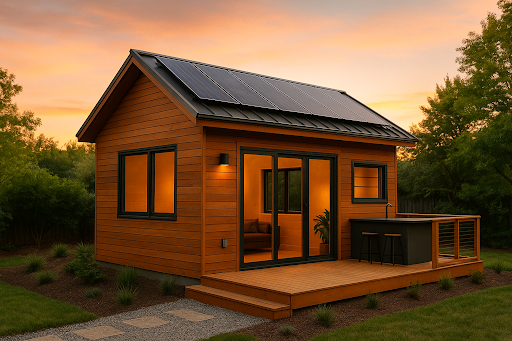
Can You Turn Your Backyard Into a Profitable Rental Space?

Trailer Made Custom Trailers

A few years ago, most people thought backyard ADUs were kind of a niche idea.

Now?

They’re becoming one of the smartest housing and investment conversations happening in America.

Housing costs are out of control.
Rental demand keeps climbing.
Families need extra space.
Cities are slowly loosening zoning laws.
And homeowners are realizing something important:

That empty backyard might actually be sitting on a serious income opportunity.

Not some “maybe someday” idea either.

Real income.
Real housing flexibility.
Real property value.

But here’s the part people usually don’t understand until they’re halfway into the project:

The long-term success of an ADU has a lot less to do with Pinterest inspiration and a lot more to do with engineering, structural quality, permits, durability, and smart planning.

That’s where projects either become profitable assets…
or expensive headaches.

At Trailer Made Custom Trailers, we’ve watched the ADU market evolve rapidly over the last several years, and honestly, there’s a huge difference between:

  • trendy backyard builds
    and
  • properly engineered long-term housing systems.

The internet tends to focus on aesthetics.
Real-world ownership focuses on durability.

Those are two very different conversations.

Trailer Made Custom Trailers

Why Backyard ADUs Are Exploding Right Now

The demand is real now.

Not hype.

People are building ADUs for:

  • rental income
  • Airbnb revenue
  • aging parents
  • adult children priced out of housing
  • guest housing
  • backyard offices
  • multigenerational living
  • retirement income
  • long-term property value

Some homeowners are offsetting huge portions of their mortgage with rental income from an ADU.

Others are creating entirely new income streams from property they already own.

And cities are adapting because they need housing inventory badly.

California pushed this movement hard first, but now more states and counties are slowly following.

The market is becoming much more serious than it was even five years ago.

The Biggest Mistake People Make With ADUs

Most people shop for ADUs backwards.

They compare:

  • photos
  • finishes
  • aesthetics
  • trendy layouts
  • appliance packages

before they compare:

  • engineering
  • structural quality
  • trailer systems
  • towing stability
  • long-term durability

That’s a mistake.

Because an ADU is still a structure.

And in many cases, it’s a movable structure.

That means:

  • load distribution matters
  • axle placement matters
  • crossmember spacing matters
  • steel quality matters
  • frame rigidity matters

Cheap trailer systems fail in predictable ways:

  • sagging floors
  • drywall cracking
  • roof stress
  • uneven doors
  • towing instability
  • frame flex
  • premature corrosion

And once the house is fully built, repairing structural foundation issues becomes extremely expensive.

That’s why experienced builders focus on engineering long before they focus on aesthetics.

Because they’ve already seen what happens when corners get cut.

A Profitable ADU Has To Survive Long Term

This is where a lot of internet marketing completely falls apart.

Everybody talks about:
“passive income.”

Nobody talks enough about:
maintenance,
durability,
and long-term structural performance.

A profitable backyard rental still has to survive:

  • tenants
  • weather
  • moisture
  • utility usage
  • transportation stress
  • seasonal expansion and contraction
  • years of occupancy

Weak construction gets exposed fast under real-world use.

Especially cheap trailer systems pretending to support residential structures.

We’ve seen people spend enormous money creating beautiful backyard units sitting on poorly engineered foundations.

Eventually the problems show up:

  • wall movement
  • flooring problems
  • plumbing stress
  • unstable towing
  • moisture intrusion
  • structural fatigue

That’s why long-term profitability starts with structural integrity.

Not decorative finishes.

Understanding The Real Cost To Build ADU Projects

Everybody asks:
“What does it cost to build an ADU?”

Fair question.

But there’s no honest universal number because every project is different.

The total cost depends on:

  • utility hookups
  • permit requirements
  • location
  • engineering
  • materials
  • labor
  • trailer systems
  • insulation packages
  • customizations
  • site prep
  • towing requirements
  • foundation planning

Some projects stay fairly simple.
Others become full custom housing systems.

The better question is usually:
“What creates the best long-term return?”

Because chasing the absolute cheapest build usually creates more expensive problems later.

The strongest investments tend to come from:

  • good engineering
  • durable materials
  • efficient layouts
  • low maintenance systems
  • smart utility planning
  • and properly designed foundations

The frame underneath the ADU may not be the exciting part…
but it quietly determines how well everything above it performs long term.

Why Trailer Engineering Matters So Much

This is where things get serious.

A lot of first-time buyers still think:
“the trailer is just underneath the house.”

No.

The trailer IS the structural platform.

Every pound above the floor transfers through that frame.

That means poor engineering creates chain reactions:

  • tire wear
  • unsafe towing
  • frame flex
  • structural fatigue
  • cracking finishes
  • moisture problems
  • long-term durability issues

Tiny homes and ADUs behave very differently than cargo trailers or utility haulers.

The weight distribution is different.
The wind resistance is different.
The long-term residential stress is different.

That’s why Trailer Made became respected nationally for engineered trailer systems specifically designed around tiny homes and ADUs instead of generic utility trailer designs pretending to support housing.

That distinction matters.

Especially over time.

ADU Building Permits Are Still Frustrating

Honestly?
This part frustrates almost everybody.

ADU permits vary wildly depending on where you live.

Some cities are becoming very ADU-friendly.
Others still move painfully slow.

And sometimes two departments inside the same city don’t even agree with each other.

That’s the reality.

You may run into:

  • setback rules
  • parking requirements
  • sewer tie-ins
  • utility regulations
  • occupancy limits
  • electrical requirements
  • zoning restrictions
  • foundation requirements

This is where experienced ADU builders become extremely valuable.

Not just because of construction knowledge.

Because they understand how permitting departments and inspectors actually think.

That’s a completely different skill set.

Trailer Made spent years involved in:

  • engineering discussions
  • code conversations
  • industry education
  • and tiny house legalization efforts

because this industry desperately needed real structural standards.

That experience matters.

Prefab ADUs vs Custom Backyard Builds

This conversation comes up constantly.

And honestly?
Neither option is automatically better.

Prefab ADUs can offer:

  • faster timelines
  • controlled manufacturing
  • more predictable production
  • reduced labor involvement

Custom ADUs offer:

  • flexibility
  • layout customization
  • property-specific planning
  • accessibility solutions
  • unique rental optimization

The smart move is designing around your actual use case instead of copying something trendy online.

A profitable ADU should prioritize:

  • livability
  • durability
  • maintenance simplicity
  • tenant comfort
  • energy efficiency
  • long-term reliability

Not just Instagram aesthetics.

The Airbnb Side Of Backyard ADUs

A lot of homeowners are chasing short-term rental income right now.

Sometimes it works extremely well.

But Airbnb-style usage creates very different wear patterns than long-term tenants.

More:

  • turnover
  • cleaning
  • moisture
  • furniture movement
  • utility usage
  • abuse on finishes

Which means durability matters even more.

Weak construction gets exposed fast under heavy guest turnover.

The stronger builds quietly keep performing year after year.

That’s why experienced builders obsess over:

  • flooring durability
  • insulation systems
  • moisture management
  • structural stability
  • and long-term serviceability

Good engineering reduces future headaches substantially.

Buyers Are Asking Better Questions Now

This industry is maturing.

Five years ago, buyers mostly asked:

  • How does it look?
  • How big is it?
  • What are the finishes?

Now people ask:

  • How is the weight distributed?
  • What steel is used?
  • How does the trailer handle towing stress?
  • What happens after years of use?
  • How does it perform in wet climates?
  • How is the frame engineered?

Those are the right questions.

Because the market has already seen enough horror stories.

People are getting smarter.

And honestly, that’s good for the industry.

What Actually Makes An ADU Profitable?

Not just rent collection.

Real profitability usually comes from:

  • strong engineering
  • low maintenance
  • efficient layouts
  • durable materials
  • reliable utility systems
  • tenant-friendly design
  • and long-term structural performance

A beautiful unit that constantly creates repair bills is not a good investment.

A well-built unit quietly producing stable income for years?
That’s a good investment.

Huge difference.

Build It Right The First Time

There are plenty of ways to build an ADU.

Far fewer ways to build one that stays:

  • profitable
  • structurally sound
  • towable
  • durable
  • and reliable long term

That’s the part most people learn after they’ve already made expensive mistakes.

Whether you’re building:

  • a backyard rental
  • an Airbnb
  • a guest house
  • an office
  • housing for family
  • or a long-term income property

…the foundation underneath the structure deserves serious attention.

Because once you understand the amount of stress these systems endure over years of use, cheap shortcuts stop looking attractive very quickly.

If you’re serious about building smarter — not just cheaper — start with the engineering first.

Watch our factory tour and explore why builders, contractors, and owner-builders across North America trust Trailer Made engineered foundations for tiny homes and ADUs:
https://youtu.be/4P0lp9tMp2g

Is a DIY Compact Living Space Actually Right for You?

tiny home kits

Tiny homes exploded online years ago.

Instagram made them look peaceful. YouTube made them look simple. Pinterest turned them into this fantasy of freedom, minimalism, and escaping the system.

Reality is a little different.

Some people absolutely thrive in compact living.
Others are miserable within six months.

And honestly, the trailer underneath the house usually decides which direction that story goes.

That part gets ignored constantly.

People spend months researching:

  • tiny home kits
  • loft layouts
  • solar systems
  • cabinets
  • appliances
  • “off-grid lifestyles”

…and then buy the cheapest trailer they can find online.

That’s one of the biggest mistakes in this industry.

Because the truth is simple:
your trailer is the structural foundation of the entire home.

Cheap out there, and eventually everything above it pays the price.

At Trailer Made Custom Trailers, we’ve watched this happen for years. People spend six figures building beautiful tiny homes on poorly engineered foundations, then wonder why the house starts developing problems later.

Frame flex.
Cracking.
Towing instability.
Uneven doors.
Plumbing stress.
Roof movement.

None of that feels “minimalist” when it starts happening.

That’s why serious builders obsess over engineering long before they obsess over aesthetics.

Because once you’ve seen enough failures in the real world, you stop treating the trailer like an afterthought.

Trailer Made Custom Trailers

The Internet Romanticized Tiny Living

A lot of people love the idea of compact living.

Less clutter.
Lower bills.
More freedom.
A simpler life.

And honestly, for the right person, it can absolutely be life-changing.

But living in 250–400 square feet changes daily life more than people expect.

You notice everything:

  • noise
  • storage problems
  • poor layouts
  • bad insulation
  • cheap windows
  • moisture issues
  • awkward stairs
  • lack of privacy

Tiny mistakes become big annoyances when there’s nowhere to escape them.

And if the trailer underneath the house flexes poorly during transport or seasonal changes? Now you’re dealing with structural stress across the entire build.

That’s why experienced builders focus so heavily on:

  • axle placement
  • load balancing
  • crossmember spacing
  • frame rigidity
  • steel thickness
  • towing stability

Because tiny homes are not lightweight campers.

They’re houses.

Heavy houses.

Who Usually Does Well With Tiny Living?

The people who succeed long term usually approach it practically instead of emotionally.

That’s the pattern.

The best outcomes tend to come from people who:

  • value function over trends
  • understand tradeoffs
  • want lower overhead
  • prioritize flexibility
  • and think long-term

Not people chasing a social media fantasy.

Remote Workers Trying To Lower Housing Costs

This has become one of the biggest groups entering the market.

Not because they want to become influencers.

Because housing costs are crushing people.

A lot of buyers simply want:

  • lower monthly expenses
  • less maintenance
  • more control over their finances
  • a path toward ownership

That’s where DIY tiny home kits and modular tiny homes can make a lot of sense — especially when paired with an engineered trailer designed specifically for residential loads and long-term durability.

ADU Buyers Creating Flexible Property Use

This market is exploding right now.

People are building:

  • backyard ADUs
  • rental units
  • guest houses
  • home offices
  • housing for aging parents
  • multigenerational living setups

And many buyers searching for prefab tiny homes or modular tiny home kits eventually realize the same thing:

The foundation underneath the structure matters more than almost anything else long term.

An ADU trailer or foundation system needs to account for:

  • transportation stress
  • utility planning
  • long-term settlement
  • real-world weather conditions
  • structural rigidity

That’s actual engineering work.
Not decorative fabrication.

DIY Builders Who Truly Enjoy Building

This part matters more than people realize.

Some people genuinely enjoy:

  • framing
  • wiring
  • problem-solving
  • learning systems
  • building things with their hands

Those people often love the process.

Others discover halfway through the project that they hate:

  • delays
  • inspections
  • plumbing problems
  • sourcing materials
  • fixing mistakes
  • decision fatigue

The internet skips over that reality constantly.

Building your own tiny house can be incredibly rewarding.
It can also completely consume your life for a while.

Both things can be true.

Where DIY Tiny Home Kits Actually Make Sense

Not everybody needs a finished turnkey home.

For the right person, DIY tiny house kits offer something traditional housing doesn’t:
control.

You control:

  • layout
  • materials
  • finishes
  • insulation
  • electrical systems
  • plumbing choices
  • budget priorities
  • weight management

That flexibility is a huge advantage.

But here’s what a lot of cheap kit companies won’t say clearly enough:

The trailer cannot become the weak point.

Not if you care about:

  • longevity
  • towing safety
  • structural durability
  • resale value
  • long-term performance

At Trailer Made, we treat tiny house trailer engineering like actual engineering because that’s exactly what it is.

Axle placement changes towing dynamics.
Frame flex affects wall stress.
Weight distribution impacts safety, braking, tire wear, and long-term structural integrity.

This isn’t decorative steelwork.

It’s the foundation of the entire house.

Huge difference.

Cheap Tiny House Trailers Usually Become Expensive Later

This industry has a lot of bad trailers in it.

A lot.

Some look fantastic online.
Great photos.
Fresh paint.
Fancy wording.

Then you inspect:

  • weld quality
  • braking systems
  • steel thickness
  • frame engineering
  • crossmember spacing
  • weight distribution

…and it becomes a completely different story.

The scary part is that most first-time buyers don’t know what they’re looking at yet.

Until later.

Usually much later.

We’ve seen people spend enormous money building beautiful homes on foundations that were never properly engineered for residential loads.

Eventually the problems show up:

  • drywall cracking
  • sticking doors
  • roofing stress
  • unstable towing
  • suspension problems
  • flooring movement
  • plumbing issues

Tiny homes are far heavier than most people realize.

And once the house is completed, fixing trailer problems underneath it becomes incredibly expensive.

That’s why experienced builders prioritize the foundation first.

Not because it’s exciting.
Because they’ve seen what happens when corners get cut.

Prefab Tiny Homes vs DIY Tiny House Builds

Both approaches have advantages.

Prefab Tiny Homes

Prefab tiny homes and modular tiny homes work well for buyers who want:

  • faster timelines
  • less construction responsibility
  • professional assembly
  • more predictable scheduling

For busy professionals or families adding an ADU quickly, that convenience is often worth the extra cost.

But even prefab systems still depend entirely on the quality of the trailer underneath them.

That part never changes.

DIY Tiny House Kits

DIY tiny house kits offer:

  • more customization
  • potentially lower costs
  • greater control
  • more flexibility

But they also require:

  • patience
  • planning
  • labor
  • problem-solving
  • time

A lot of time.

Many owners say building their own tiny house created a much deeper connection to the final home.

And honestly, that makes sense.

There’s pride in building something yourself.

The Reality Of Portable Tiny Houses

Portable tiny houses sound simple online.

Until you actually tow one.

This is where real engineering separates serious manufacturers from hobby fabrication.

Once fully loaded, tiny homes behave very differently than empty trailers.

Water tanks, appliances, furniture, batteries, storage systems, and solar equipment all affect balance and towing stability.

A properly engineered tiny house trailer accounts for those realities before the build even starts.

Not afterward.

And honestly?
Most tiny homes don’t move constantly.

People imagine cross-country travel lifestyles.

In reality, many tiny homes move:

  • from factory to property
  • maybe once again later
  • then stay parked long term

That’s okay.

The value is flexibility.
Not constant movement.

Buyers Are Asking Better Questions Now

The tiny house industry is maturing.

Five years ago, buyers mostly asked about:

  • finishes
  • aesthetics
  • square footage

Now they ask:

  • What’s the GVWR?
  • How is the load distributed?
  • How are the crossmembers spaced?
  • How does the trailer handle towing stress?
  • Is this engineered specifically for tiny homes?
  • What kind of long-term durability should I expect?

Those are the right questions.

Because tiny homes are not utility trailers with walls slapped on top.

At least they shouldn’t be.

Trailer Made built its reputation by approaching tiny house foundations differently from the beginning:

  • engineering first
  • real manufacturing
  • real-world towing experience
  • long-term durability
  • actual structural thinking

That matters more now because buyers have seen enough horror stories already.

People are getting smarter.

The Emotional Side Nobody Talks About Enough

Tiny living changes relationships too.

That part gets skipped constantly in tiny-house marketing.

Living small requires:

  • communication
  • patience
  • realistic expectations
  • intentional design

Some couples become stronger living this way.
Others quickly realize they desperately need more personal space than they thought.

Families with children need especially realistic expectations around layouts and routines.

None of this means compact living is bad.

It just means honest expectations usually create better outcomes than fantasy marketing.

What Serious Buyers Should Prioritize First

Before countertops.
Before finishes.
Before aesthetics.

Focus on the foundation.

Focus on:

  • trailer engineering
  • weight planning
  • towing stability
  • climate considerations
  • structural durability
  • long-term performance

Because once you understand the stress these structures endure over years of use and transport, cheap shortcuts stop looking attractive very quickly.

Final Thoughts

A DIY tiny house kit can absolutely create:

  • financial flexibility
  • lower overhead
  • intentional living
  • housing independence
  • long-term freedom

But it isn’t magic.

It still requires:

  • smart planning
  • realistic expectations
  • real engineering
  • and a properly built foundation underneath it all

That last part matters far more than most buyers realize.

The tiny home itself gets all the attention online.
The trailer underneath quietly determines whether the structure performs properly for years… or slowly turns into a repair project.

And trust me, this industry already has enough horror stories.

That’s why experienced builders prioritize engineered tiny house trailer systems over bargain pricing.

They’ve seen what happens otherwise.

If you’re serious about building smarter — not just cheaper — start with the foundation first.

Watch our factory tour, explore our engineered trailer systems, and see why thousands of builders across North America trust Trailer Made foundations for tiny homes, ADUs, and long-term residential projects:
https://youtu.be/4P0lp9tMp2g

What to Ask Before Choosing Trailer Manufacturers in Colorado (If You’re Building a Tiny Home or ADU)

trailer manufacturers in Colorado

If you’re serious about building a tiny home, ADU, or backyard living space, there’s one thing you need to understand upfront:

Your build is only as good as the trailer under it.

Not the siding.
Not the windows.
Not the Pinterest board you’ve been saving for six months.

The foundation—your trailer—is what determines whether your project succeeds… or becomes an expensive mistake.

And here’s the reality:

Most people don’t realize this until it’s too late.

So before you start comparing trailer manufacturers in Colorado or anywhere in the U.S., you need to ask the right questions.

Because the wrong choice doesn’t just cost money—it can cost you the entire build.

trailer manufacturers in Colorado

Why Trailer Manufacturers Matter More Than You Think

There’s a massive difference between:

  • A true engineered trailer manufacturer
  • And a local welding shop with a website

Both will tell you they can build your trailer.

Only one is building something your home can safely live on for decades.

Your trailer controls:

  • Weight distribution
  • Road safety
  • Structural integrity
  • Long-term durability

If that foundation fails, nothing above it matters.

Question #1: Is the Trailer Actually Engineered?

This is the most important question you can ask.

Anyone can weld steel together.

That does NOT mean it’s engineered.

A legitimate manufacturer should provide:

  • Engineered plans (P.E. stamped if needed)
  • Load calculations
  • Axle placement design
  • Structural support strategy for your home

If they can’t clearly explain how their trailer handles:

  • wall loads
  • roof loads
  • appliance weight
  • dynamic forces during transport

👉 Walk away.

Because once your house is built, fixing a bad trailer is nearly impossible.

Question #2: What Materials Are You Using?

This is where cheap builds start to show.

Ask:

  • What grade of steel are you using?
  • What thickness?
  • What corrosion protection is applied?

In Colorado especially, you’re dealing with:

  • snow loads
  • freeze/thaw cycles
  • moisture exposure

Low-quality steel = long-term failure.

A real manufacturer will answer this in detail.

If the answer is vague? That’s a red flag.

Question #3: Do You Specialize in Tiny Homes and ADUs?

Here’s something most people miss:

Not all trailer companies understand houses.
And not all home builders understand trailers.

You need both.

A proper tiny home or ADU trailer must account for:

  • Plumbing runs through the frame
  • Insulation thickness (especially spray foam systems)
  • Wall load points
  • Electrical routing
  • Appliance weight shifts

A generic flatbed trailer is NOT designed for this.

That’s where builds start to fail.

Question #4: Can You Show Real Builds (Not Just Finished Homes)?

Anyone can show pretty photos of finished tiny homes.

That’s not what you want to see.

Ask for:

  • Bare trailer builds
  • Frame structure
  • Undercarriage details
  • Weld quality

That’s where the truth is.

If they’ve built thousands of units, they should have:

  • real customer builds
  • real-world applications
  • long-term performance examples

Question #5: What’s the REAL Lead Time?

Let’s be honest—lead times get stretched all the time.

So don’t just ask:
👉 “How long does it take?”

Ask:

  • What delays have you experienced before?
  • What’s the worst-case timeline?
  • What impacts production time?

A professional manufacturer will give you a realistic window.

“Fast and easy” usually means corners are being cut somewhere.

Question #6: What Axles and Suspension Are You Using?

This is where safety lives.

A properly built trailer will include:

  • Correctly rated axles (not “close enough”)
  • Reliable braking systems
  • Proper suspension design (leaf vs torsion, based on use)

If you plan to move your home even once, this matters.

A lot.

If the answer is:
👉 “It’ll handle it”

That’s not an answer.

Question #7: Is This Built for Long-Term Use or Just Delivery?

There are two types of trailers:

  1. Delivery-only trailers
  2. Long-term, road-ready foundations

You want the second one.

Even if you never plan to move your home.

Because life changes.

And a weak foundation limits your options.

Question #8: Can the Trailer Be Customized for My Build?

Your home is custom.

Your trailer should be too.

A serious manufacturer will adjust:

  • Length
  • Width
  • Axle placement
  • Hitch configuration
  • Structural reinforcements

If you’re being pushed into “standard sizes only,” you’re not getting a true solution.

Question #9: What Happens If Something Goes Wrong?

This is where reputations are built.

Ask:

  • What warranty is included?
  • What support exists after delivery?
  • How are issues handled?

A real manufacturer stands behind their work.

No hesitation.

The Truth About Cutting Corners

This is where people get burned.

Trying to save a few thousand dollars on a trailer can lead to:

  • Structural failure
  • Unsafe towing
  • Costly repairs
  • Full rebuilds

And yes—this happens more often than people admit.

A properly engineered trailer is not optional.

It’s the foundation of everything.

Why Trailer Made Custom Trailers Is Different

At Trailer Made, we’re not guessing.

We’ve:

  • Built thousands of tiny house trailers
  • Helped define industry standards
  • Worked with builders, DIYers, and large-scale projects nationwide

Every trailer we build is:

  • Engineered for tiny homes and ADUs
  • Designed for real-world use
  • Backed by experience—not theory

Because we’ve seen what fails.

And we don’t build that way.

Ready to Start Your Build the Right Way?

If you’re serious about building a tiny home, ADU, or custom project, start with a foundation that’s engineered for it.

👉 Visit Trailer Made Custom Trailers to get a quote
👉 Or watch our factory tour to see how these are actually built

Don’t overthink it.

Just don’t cut corners on the one thing holding everything up.

How to Choose the Right Tiny House Trailer for Your Build

legal tiny house

There’s a mistake a lot of people make when building a tiny house.

They spend months thinking about the house.

  • The layout.
  • The loft.
  • The kitchen.
  • Solar panels.
  • Cabinets.

Then they go buy the cheapest trailer they can find.

That’s backwards.

If your tiny house is going on wheels, the trailer is not just transportation. It’s the foundation of the entire structure. And if the foundation isn’t right, nothing above it will be either.

I’ve seen houses with cracked walls, sagging floors, doors that won’t close… all because the trailer wasn’t designed for the job.

So before you start framing walls or ordering a tiny house frame kit, you need to understand what actually matters in a tiny house trailer.

Let’s talk about it.

tiny house trailer

Not All Trailers Are Built for Houses

A lot of people assume a utility trailer will work fine.

Technically, you can build a tiny house on one.

But it’s usually not a good idea.

Utility trailers are designed to haul equipment or materials for short periods of time. They are not engineered to carry a permanent structural load 24 hours a day for the next 30 years.

Tiny houses weigh a lot.

Between framing, insulation, interior finishes, appliances, and furniture, it adds up fast.

An engineered tiny house trailer is designed specifically for those loads.

Different steel.
Different frame structure.
Different axle placement.

Those details matter more than people think.

Weight Distribution Is Everything

One of the biggest engineering challenges in tiny house construction is weight balance.

If the axles are placed incorrectly, the house will tow poorly and can create serious structural stress.

Too much weight in the wrong place and you end up with:

  • Frame flex
  • Uneven tire wear
  • Dangerous towing behavior
  • Long-term structural damage

A properly engineered tiny house trailer places the axles where the load needs to be supported.

This isn’t something you want to guess on.

Deck Height Matters More Than You Think

Another thing most people overlook is trailer deck height.

The higher the trailer sits off the ground, the taller the house becomes.

And when you’re trying to stay under the legal road height limit (usually around 13 feet 6 inches), every inch counts.

That’s why purpose-built tiny house trailers often use drop axles or recessed framing to keep the deck height lower.

Lower deck height means more interior headroom inside the house.

Which makes a big difference in a tiny space.

Steel Structure and Frame Strength

A tiny house trailer isn’t just a rectangle with wheels.

The frame needs to carry structural loads for decades.

That means the steel design has to support:

  • Point loads from walls
  • Distributed loads from the roof
  • Movement during transportation

Cheap trailers are often built with lighter steel that simply isn’t designed for those forces.

Over time, that leads to flex and fatigue.

Engineered trailers solve that problem by designing the frame as part of the house structure itself.

Attachment Points for the Structure

Here’s another detail most blogs never mention.

The house needs to attach to the trailer.

Securely.

An engineered tiny house trailer includes built-in connection points where the framing structure can be anchored.

Without that, builders often end up improvising attachment methods.

Improvising structural connections is never a good plan.

Why Purpose-Built Tiny House Trailers Exist

At Trailer Made Custom Trailers, we started building tiny house trailers because we saw too many houses failing on the wrong foundations.

Tiny homes are not cargo.

They’re houses.

They need a trailer engineered specifically for housing loads and long-term durability.

That’s exactly what we design.

Because when the base structure is right, the rest of the build becomes much easier.

Start With the Foundation

If you’re planning to build a tiny house on wheels, the trailer should be the first major decision you make.

Everything else — framing, insulation, layout — depends on that foundation being correct.

A properly engineered tiny house trailer gives the entire build a stable starting point.

Without it, you’re building a house on a question mark.