
Tiny homes exploded online years ago.
Instagram made them look peaceful. YouTube made them look simple. Pinterest turned them into this fantasy of freedom, minimalism, and escaping the system.
Reality is a little different.
Some people absolutely thrive in compact living.
Others are miserable within six months.
And honestly, the trailer underneath the house usually decides which direction that story goes.
That part gets ignored constantly.
People spend months researching:
- tiny home kits
- loft layouts
- solar systems
- cabinets
- appliances
- “off-grid lifestyles”
…and then buy the cheapest trailer they can find online.
That’s one of the biggest mistakes in this industry.
Because the truth is simple:
your trailer is the structural foundation of the entire home.
Cheap out there, and eventually everything above it pays the price.
At Trailer Made Custom Trailers, we’ve watched this happen for years. People spend six figures building beautiful tiny homes on poorly engineered foundations, then wonder why the house starts developing problems later.
Frame flex.
Cracking.
Towing instability.
Uneven doors.
Plumbing stress.
Roof movement.
None of that feels “minimalist” when it starts happening.
That’s why serious builders obsess over engineering long before they obsess over aesthetics.
Because once you’ve seen enough failures in the real world, you stop treating the trailer like an afterthought.
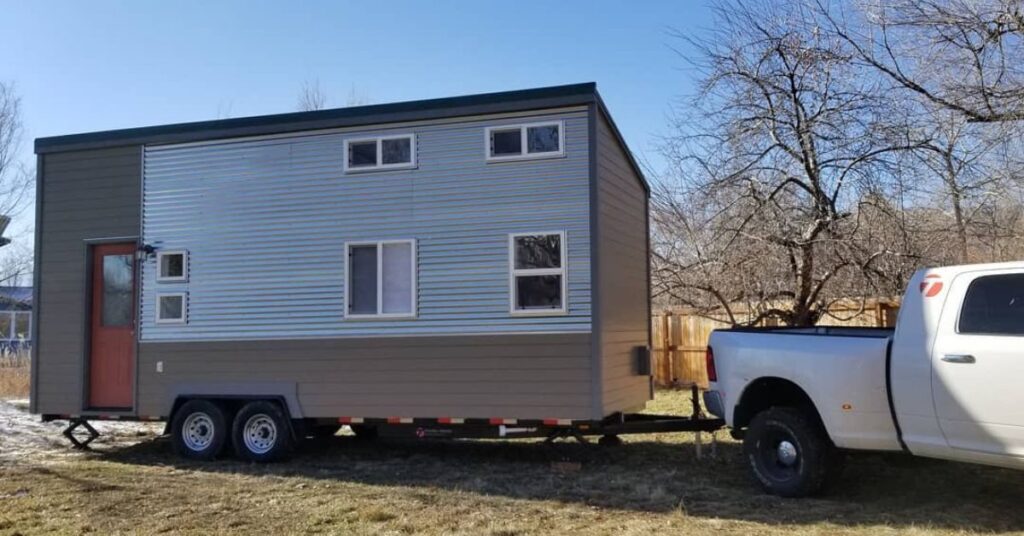
The Internet Romanticized Tiny Living
A lot of people love the idea of compact living.
Less clutter.
Lower bills.
More freedom.
A simpler life.
And honestly, for the right person, it can absolutely be life-changing.
But living in 250–400 square feet changes daily life more than people expect.
You notice everything:
- noise
- storage problems
- poor layouts
- bad insulation
- cheap windows
- moisture issues
- awkward stairs
- lack of privacy
Tiny mistakes become big annoyances when there’s nowhere to escape them.
And if the trailer underneath the house flexes poorly during transport or seasonal changes? Now you’re dealing with structural stress across the entire build.
That’s why experienced builders focus so heavily on:
- axle placement
- load balancing
- crossmember spacing
- frame rigidity
- steel thickness
- towing stability
Because tiny homes are not lightweight campers.
They’re houses.
Heavy houses.
Who Usually Does Well With Tiny Living?
The people who succeed long term usually approach it practically instead of emotionally.
That’s the pattern.
The best outcomes tend to come from people who:
- value function over trends
- understand tradeoffs
- want lower overhead
- prioritize flexibility
- and think long-term
Not people chasing a social media fantasy.
Remote Workers Trying To Lower Housing Costs
This has become one of the biggest groups entering the market.
Not because they want to become influencers.
Because housing costs are crushing people.
A lot of buyers simply want:
- lower monthly expenses
- less maintenance
- more control over their finances
- a path toward ownership
That’s where DIY tiny home kits and modular tiny homes can make a lot of sense — especially when paired with an engineered trailer designed specifically for residential loads and long-term durability.
ADU Buyers Creating Flexible Property Use
This market is exploding right now.
People are building:
- backyard ADUs
- rental units
- guest houses
- home offices
- housing for aging parents
- multigenerational living setups
And many buyers searching for prefab tiny homes or modular tiny home kits eventually realize the same thing:
The foundation underneath the structure matters more than almost anything else long term.
An ADU trailer or foundation system needs to account for:
- transportation stress
- utility planning
- long-term settlement
- real-world weather conditions
- structural rigidity
That’s actual engineering work.
Not decorative fabrication.
DIY Builders Who Truly Enjoy Building
This part matters more than people realize.
Some people genuinely enjoy:
- framing
- wiring
- problem-solving
- learning systems
- building things with their hands
Those people often love the process.
Others discover halfway through the project that they hate:
- delays
- inspections
- plumbing problems
- sourcing materials
- fixing mistakes
- decision fatigue
The internet skips over that reality constantly.
Building your own tiny house can be incredibly rewarding.
It can also completely consume your life for a while.
Both things can be true.
Where DIY Tiny Home Kits Actually Make Sense
Not everybody needs a finished turnkey home.
For the right person, DIY tiny house kits offer something traditional housing doesn’t:
control.
You control:
- layout
- materials
- finishes
- insulation
- electrical systems
- plumbing choices
- budget priorities
- weight management
That flexibility is a huge advantage.
But here’s what a lot of cheap kit companies won’t say clearly enough:
The trailer cannot become the weak point.
Not if you care about:
- longevity
- towing safety
- structural durability
- resale value
- long-term performance
At Trailer Made, we treat tiny house trailer engineering like actual engineering because that’s exactly what it is.
Axle placement changes towing dynamics.
Frame flex affects wall stress.
Weight distribution impacts safety, braking, tire wear, and long-term structural integrity.
This isn’t decorative steelwork.
It’s the foundation of the entire house.
Huge difference.
Cheap Tiny House Trailers Usually Become Expensive Later
This industry has a lot of bad trailers in it.
A lot.
Some look fantastic online.
Great photos.
Fresh paint.
Fancy wording.
Then you inspect:
- weld quality
- braking systems
- steel thickness
- frame engineering
- crossmember spacing
- weight distribution
…and it becomes a completely different story.
The scary part is that most first-time buyers don’t know what they’re looking at yet.
Until later.
Usually much later.
We’ve seen people spend enormous money building beautiful homes on foundations that were never properly engineered for residential loads.
Eventually the problems show up:
- drywall cracking
- sticking doors
- roofing stress
- unstable towing
- suspension problems
- flooring movement
- plumbing issues
Tiny homes are far heavier than most people realize.
And once the house is completed, fixing trailer problems underneath it becomes incredibly expensive.
That’s why experienced builders prioritize the foundation first.
Not because it’s exciting.
Because they’ve seen what happens when corners get cut.
Prefab Tiny Homes vs DIY Tiny House Builds
Both approaches have advantages.
Prefab Tiny Homes
Prefab tiny homes and modular tiny homes work well for buyers who want:
- faster timelines
- less construction responsibility
- professional assembly
- more predictable scheduling
For busy professionals or families adding an ADU quickly, that convenience is often worth the extra cost.
But even prefab systems still depend entirely on the quality of the trailer underneath them.
That part never changes.
DIY Tiny House Kits
DIY tiny house kits offer:
- more customization
- potentially lower costs
- greater control
- more flexibility
But they also require:
- patience
- planning
- labor
- problem-solving
- time
A lot of time.
Many owners say building their own tiny house created a much deeper connection to the final home.
And honestly, that makes sense.
There’s pride in building something yourself.
The Reality Of Portable Tiny Houses
Portable tiny houses sound simple online.
Until you actually tow one.
This is where real engineering separates serious manufacturers from hobby fabrication.
Once fully loaded, tiny homes behave very differently than empty trailers.
Water tanks, appliances, furniture, batteries, storage systems, and solar equipment all affect balance and towing stability.
A properly engineered tiny house trailer accounts for those realities before the build even starts.
Not afterward.
And honestly?
Most tiny homes don’t move constantly.
People imagine cross-country travel lifestyles.
In reality, many tiny homes move:
- from factory to property
- maybe once again later
- then stay parked long term
That’s okay.
The value is flexibility.
Not constant movement.
Buyers Are Asking Better Questions Now
The tiny house industry is maturing.
Five years ago, buyers mostly asked about:
- finishes
- aesthetics
- square footage
Now they ask:
- What’s the GVWR?
- How is the load distributed?
- How are the crossmembers spaced?
- How does the trailer handle towing stress?
- Is this engineered specifically for tiny homes?
- What kind of long-term durability should I expect?
Those are the right questions.
Because tiny homes are not utility trailers with walls slapped on top.
At least they shouldn’t be.
Trailer Made built its reputation by approaching tiny house foundations differently from the beginning:
- engineering first
- real manufacturing
- real-world towing experience
- long-term durability
- actual structural thinking
That matters more now because buyers have seen enough horror stories already.
People are getting smarter.
The Emotional Side Nobody Talks About Enough
Tiny living changes relationships too.
That part gets skipped constantly in tiny-house marketing.
Living small requires:
- communication
- patience
- realistic expectations
- intentional design
Some couples become stronger living this way.
Others quickly realize they desperately need more personal space than they thought.
Families with children need especially realistic expectations around layouts and routines.
None of this means compact living is bad.
It just means honest expectations usually create better outcomes than fantasy marketing.
What Serious Buyers Should Prioritize First
Before countertops.
Before finishes.
Before aesthetics.
Focus on the foundation.
Focus on:
- trailer engineering
- weight planning
- towing stability
- climate considerations
- structural durability
- long-term performance
Because once you understand the stress these structures endure over years of use and transport, cheap shortcuts stop looking attractive very quickly.
Final Thoughts
A DIY tiny house kit can absolutely create:
- financial flexibility
- lower overhead
- intentional living
- housing independence
- long-term freedom
But it isn’t magic.
It still requires:
- smart planning
- realistic expectations
- real engineering
- and a properly built foundation underneath it all
That last part matters far more than most buyers realize.
The tiny home itself gets all the attention online.
The trailer underneath quietly determines whether the structure performs properly for years… or slowly turns into a repair project.
And trust me, this industry already has enough horror stories.
That’s why experienced builders prioritize engineered tiny house trailer systems over bargain pricing.
They’ve seen what happens otherwise.
If you’re serious about building smarter — not just cheaper — start with the foundation first.